
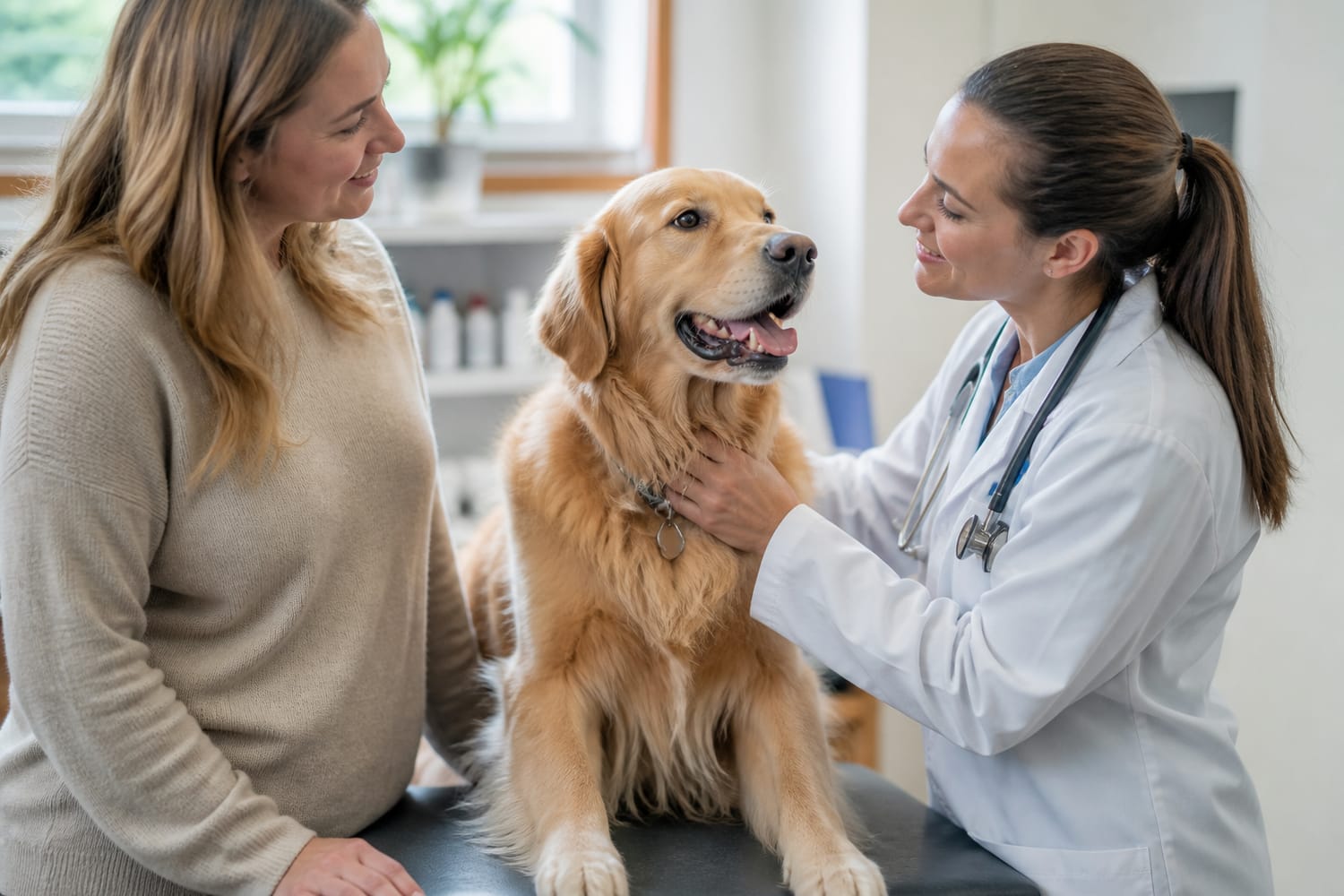
How to Choose the Right Veterinarian: A First-Visit Checklist for Pet Owners
Finding a Veterinary Partner You Can Trust
The right veterinarian is more than the nearest clinic or the first name in a search result. Look for a qualified professional who communicates clearly, treats your pet gently, explains costs and options, and offers services that fit your needs. A first visit can reveal whether the entire practice feels like a trustworthy long-term partner.
Choosing a veterinarian before your pet becomes sick gives you time to make a thoughtful decision. It also allows your pet to meet the veterinary team during a routine appointment rather than in the middle of a frightening emergency.
After all, veterinary care is not only about treating illness. A good veterinarian helps you navigate preventive care, nutrition, behavior, dental health, aging, and the many little questions that come with loving an animal.
Start With Your Pet’s Individual Needs
Before comparing clinics, think about the kind of care your pet may require. A healthy young dog will have different needs from a senior cat with arthritis, while a rabbit, bird, reptile, or other non-traditional pet may need a veterinarian with species-specific training and experience.
Consider the following questions:
- Does your pet have an ongoing medical condition?
- Does your pet become fearful, defensive, or highly stressed during handling?
- Will you need help with behavior, nutrition, or weight management?
- Is your pet approaching a life stage that may require more frequent monitoring?
- Does the practice routinely treat your pet’s species?
- Could you need services such as dentistry, surgery, diagnostic imaging, or specialist referrals?
Owners of exotic pets should never assume that every veterinary clinic can provide appropriate care. Ask directly which species the veterinarians regularly examine and whether the practice can manage both routine and urgent cases.
Location matters too, but the closest clinic is not automatically the best fit. Think about travel time, office hours, accessibility, parking, and whether you could safely transport your pet there when feeling stressed.
Research the Practice Before Booking
Recommendations from friends, family members, shelters, trainers, and local pet owners can help you create a shortlist. Online reviews may also reveal patterns, but read them thoughtfully. One emotional complaint does not necessarily define a practice; repeated comments about communication, cleanliness, billing, or staff behavior deserve more attention.
Visit the clinic’s website or call the front desk to confirm:
- The veterinarians’ names and professional qualifications
- Species treated and services provided
- Appointment and cancellation policies
- Weekend or evening availability
- After-hours emergency arrangements
- Payment methods and financing options
- Whether new clients are being accepted
- Whether you may request the same veterinarian for future visits
You can also look for American Animal Hospital Association accreditation. AAHA accreditation is voluntary in the United States and Canada, and participating practices are evaluated against standards covering areas such as patient care, medical records, pain management, dentistry, anesthesia, surgery, and emergency care. Accreditation can be a useful quality indicator, although its absence does not automatically mean a clinic provides poor care. Learn more through the AAHA guide to choosing a veterinarian.
Call the Clinic and Notice How You Are Treated
Your first impression often begins on the telephone. The receptionist may be busy, especially at a practice handling emergencies, but you should still feel that your questions are heard and answered respectfully.
Ask what happens if your pet becomes ill after hours. Some practices provide on-call support, while others direct clients to a separate emergency hospital. Save the emergency facility’s name, address, and telephone number before you need them. Petspiration’s guide to creating a pet emergency plan can help you organize essential contacts and records in advance.
This is also a good time to discuss accessibility needs. If your dog is reactive around other dogs, for example, ask whether you can wait in the car or use a quieter entrance. Cat owners may want to know whether the practice has a separate waiting area or can place them directly into an examination room.
Prepare for the First Appointment
A well-prepared first visit gives the veterinarian a clearer picture of your pet’s health. Bring as much relevant information as possible, even if your companion appears perfectly healthy.
Your first-visit checklist
- [ ] Previous veterinary records
- [ ] Vaccination and preventive-care history
- [ ] Adoption, breeder, or rescue medical documents
- [ ] A list of current medications and supplements, including doses
- [ ] Details of known allergies or previous reactions
- [ ] The name and amount of your pet’s regular food
- [ ] Notes about appetite, thirst, sleep, exercise, and bathroom habits
- [ ] Questions about health, behavior, grooming, or nutrition
- [ ] Insurance information, if applicable
- [ ] A secure carrier, leash, or appropriate transport enclosure
- [ ] Familiar treats, unless the clinic has requested fasting
Photos or short videos can also be helpful when a behavior or symptom does not happen at the clinic. A recording of an unusual cough, limp, tremor, or sleeping behavior may give the veterinarian useful context, although it cannot replace a physical examination.
Keeping these details in a dedicated folder can simplify future appointments. A pet care binder containing medical records and emergency information ensures that important information remains available to veterinarians and backup caregivers.
Observe the Clinic With All Your Senses
A veterinary hospital does not have to look luxurious, but it should appear clean, organized, and professionally managed. Some animal-related smells are unavoidable, yet strong persistent odors, unsafe clutter, visibly dirty surfaces, or uncontrolled interactions between animals may be concerning.
Notice whether dogs, cats, and smaller animals can wait at a comfortable distance from one another. Watch how staff members approach frightened pets. Do they move calmly, explain what they are doing, and adjust their methods when an animal becomes overwhelmed?
Compassionate handling does not mean every procedure will be completely stress-free. Examinations and treatments can be uncomfortable or unfamiliar. What matters is whether the team makes a reasonable effort to reduce fear, avoid unnecessary force, monitor discomfort, and keep you informed.
If your companion finds appointments difficult, use these additional ideas for a less stressful veterinary visit, including carrier preparation, familiar comfort items, and positive rewards.
Ask Questions During the Examination
A good first appointment should feel like a conversation, not a hurried lecture. You should be able to explain your concerns and receive answers in language you understand.
Useful questions include:
- What preventive care does my pet need? Recommendations may vary according to species, age, health, lifestyle, travel, and geographic risks.
- What should I monitor at home? Ask about weight, appetite, dental health, mobility, skin, bathroom habits, and behavior.
- How will you reduce pain or anxiety during procedures?
- Which services are performed here, and when would you refer us to a specialist?
- How will test results and follow-up instructions be communicated?
- Can I receive a written estimate before non-emergency treatment?
- Whom should I contact if symptoms worsen after the visit?
The veterinarian should be willing to discuss reasonable options, including the expected benefits, limitations, risks, and costs of a proposed plan. The American Veterinary Medical Association’s veterinarian-selection guidance similarly encourages owners to consider communication, emergency arrangements, professional staff, services, facilities, referrals, fees, and payment policies.
Discuss Costs Without Embarrassment
Veterinary medicine involves trained professionals, medications, laboratory work, specialized equipment, and ongoing facility expenses. Even so, you deserve clear information about expected charges.
Ask for an estimate before tests, procedures, or hospitalization whenever circumstances allow. An estimate may be a range because medical needs can change, but the team should explain what is included and seek consent before making significant additions when possible.
If a recommendation exceeds your budget, say so honestly. A veterinarian may be able to prioritize services, discuss alternative approaches, or identify payment resources without compromising essential welfare. Planning ahead may also include insurance, a dedicated savings account, or both. Pet owners comparing these options can explore the advantages and limitations of pet insurance.
Recognize Encouraging Signs—and Red Flags
Positive signs include a team that listens carefully, handles your pet respectfully, maintains clear records, explains recommendations, provides written instructions, and welcomes appropriate questions. You should leave understanding what happened, what comes next, and when to seek additional help.
Possible red flags include:
- Dismissing your concerns without explanation
- Rough or impatient handling
- Unclear consent for tests or procedures
- Repeatedly surprising you with unexplained charges
- Refusing to provide records or treatment summaries
- Giving vague instructions about medication
- Failing to explain emergency or follow-up arrangements
- Making you feel ashamed for asking about costs or alternatives
A busy day or delayed appointment is not automatically a warning sign. Emergencies can disrupt even a well-run clinic. Pay attention to how the team communicates about the delay and whether problematic behavior becomes a pattern.
Trust the Relationship, Not Just the Résumé
Professional qualifications and clinical resources matter, but so does the relationship you build with the veterinary team. You should feel comfortable sharing concerns, admitting when you are confused, and discussing what is realistic for your household.
Your pet may never wag, purr, chirp, or relax at the thought of an appointment—and that does not necessarily mean you chose poorly. Instead, look for a team that learns your pet’s preferences, respects their limits, and works with you to make each visit safer and kinder.
The right veterinarian becomes an ally throughout your pet’s life: celebrating healthy milestones, guiding you through uncertainty, and standing beside your family during difficult decisions. Choose thoughtfully, ask questions, and remember that seeking a good match is one of the most loving acts of responsible pet ownership.