
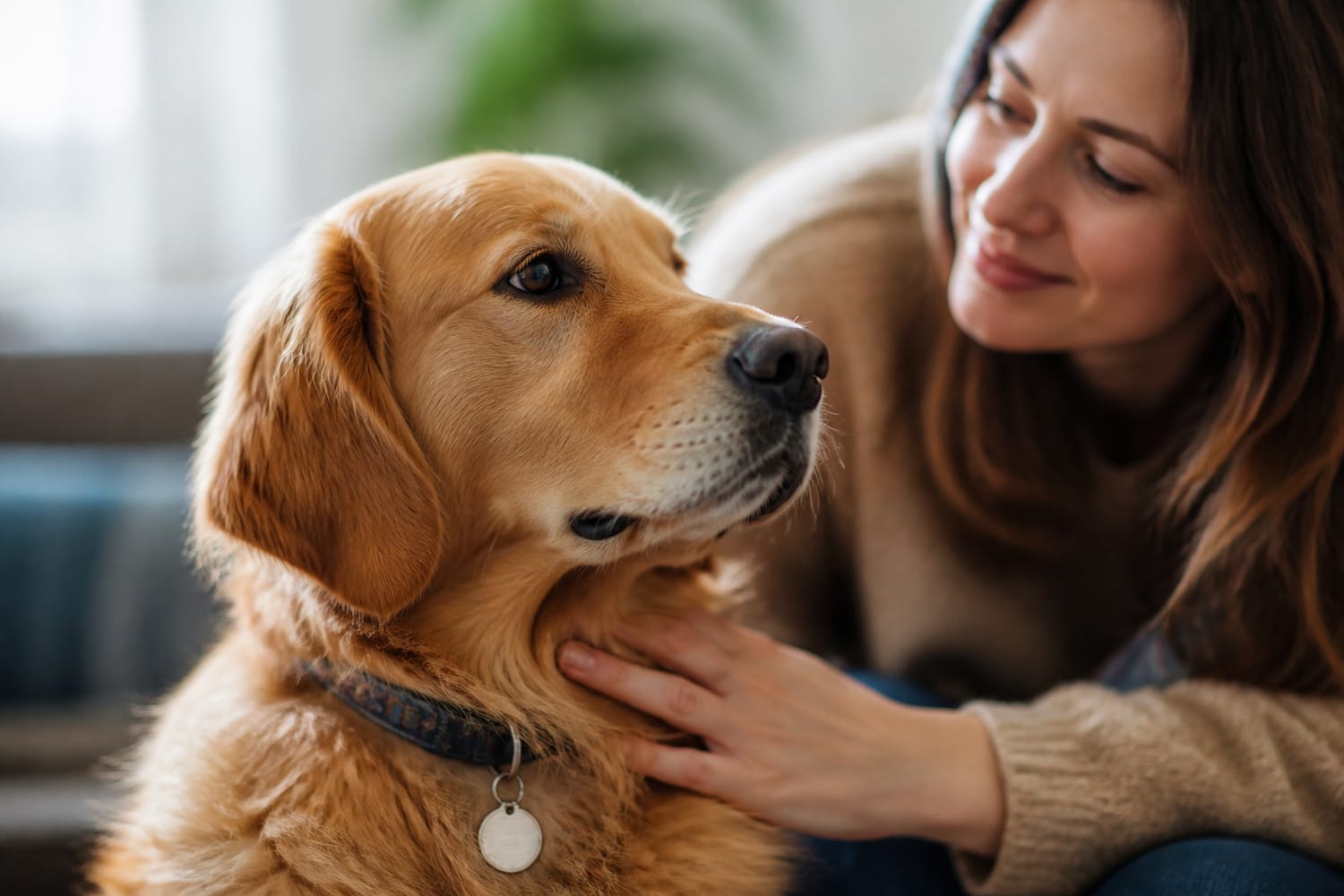
The Pet ID Tag Checklist: What to Include, What to Skip, and When to Update It
A Small Tag With an Important Job
A pet ID tag should give a finder the fastest possible way to contact you. Prioritize one or two current phone numbers, add only genuinely useful details, and keep every line readable. Pair the tag with a registered microchip so your pet has both visible identification and a permanent backup.
No one expects a beloved pet to slip through a gate, dart from a carrier, or become separated during an emergency. Yet when the unexpected happens, that little tag jingling on a collar can become a direct path home.
The ASPCA supports combining a personalized ID tag with microchip identification. A tag lets almost any finder contact you immediately, while a microchip can provide backup if the collar is lost or removed.
What to Include on a Pet ID Tag
Space is limited, so think of your pet’s tag as an emergency message rather than a miniature biography. Every character should help a finder understand what to do next.
Your Primary Phone Number
Your current mobile number is the most valuable information on the tag. Choose a number you regularly monitor and can answer while away from home.
Make the number as large and clear as the tag allows. If you must choose between a decorative phrase and a readable phone number, the phone number wins every time.
A Backup Phone Number
If space permits, add a second working number belonging to another responsible adult. This could be a spouse, family member, close friend, housemate, or pet sitter who knows your pet.
A backup contact is especially useful if you are:
- At work and unable to answer
- Traveling without reliable service
- Receiving medical care
- Evacuating during an emergency
- Temporarily separated from your phone
Ask permission before adding someone’s number, and make sure that person understands their role.
Your Pet’s Name—If You Want It There
Including a pet’s name is a personal choice. It may help a kind finder speak reassuringly to a frightened dog or cat. However, it is less important than your contact information and should not crowd out a second phone number or medical alert.
If you prefer not to display the name, consider using a short message such as:
- “PLEASE CALL MY FAMILY”
- “I AM LOST”
- “INDOOR CAT”
- “MICROCHIPPED”
For shy or easily frightened pets, a phrase like “DO NOT CHASE—CALL” may be more useful than a name.
A Short, Urgent Medical Alert
Include medical information only when a finder needs it immediately. “NEEDS MEDS,” “DIABETIC,” “DEAF,” or “SEIZURE MEDS” can communicate urgency without attempting to fit an entire health record on the tag.
The ASPCA recommends listing urgent medical needs alongside identifying information. If your pet has complex needs, use the tag to signal that help is required, then keep detailed instructions in your pet’s digital profile, medical alert tag, or pet care binder.
Your City or General Location
A city and state can be useful, particularly if your pet travels with you or could cross municipal boundaries. However, this information remains secondary to your phone numbers.
Your full street address may help a nearby finder walk your pet home, but it also takes up valuable space and reveals personal information. Consider your comfort level, living situation, and the size of the tag before including it.
A Simple Pet ID Tag Checklist
For most dogs and cats, a practical tag might include:
- [ ] One current mobile phone number
- [ ] A second trusted contact number, if space allows
- [ ] Your pet’s name or a brief “I am lost” message
- [ ] An urgent medical or behavioral note, when necessary
- [ ] “Microchipped,” if applicable
- [ ] City and state, if useful
- [ ] Large, readable lettering
- [ ] Engraving on both sides when more space is needed
Before attaching the tag, read it from a normal handling distance—not with your nose inches away. Ask another person to read it too. If either of you struggles, the engraving is too small, too crowded, or too worn.
What to Skip
More information does not automatically create a better tag. Too much text can make essential details harder to find.
Long Messages and Cute Quotes
“Professional sock thief” may be adorable, but it will not help someone reach you. Save personality-filled phrases for the collar, bandana, or decorative side of a larger tag after the essential details are covered.
Detailed Medical Histories
A finder does not need your pet’s complete diagnosis, medication schedule, veterinary history, or insurance information on a public tag. Use a concise warning and provide the rest through direct contact or a secure digital profile.
Your Pet’s Microchip Number
Writing “MICROCHIPPED” is generally more useful than engraving the actual identification number. A veterinary hospital or animal shelter can scan the chip and use its unique number to identify the appropriate registry.
A microchip is not a GPS tracker, and it does not replace a collar tag. The American Animal Hospital Association’s microchipping guidance explains that the two forms of identification complement each other: the tag offers immediate contact details, while the chip remains available if the collar disappears.
Outdated or Unmonitored Contact Details
A disconnected number is worse than wasted space because it may convince a finder that they have reached a dead end. Avoid using an old home number, rarely checked email address, or contact who no longer knows your pet.
Promises You May Not Want Publicly Displayed
Think carefully before adding “REWARD.” While it may motivate some people, a clear phone number and “PLEASE CALL” usually communicate the goal without using precious engraving space or attracting unwanted attention.
Choosing a Safe, Readable Tag
A tag can only help if it stays attached and remains legible. Choose a durable material suited to your pet’s activities, whether that means a traditional metal tag, a lightweight tag, or a slide-on identification plate.
Check that:
- The engraving is deep and easy to read.
- The attachment ring is fully closed and not thinning.
- The tag has no sharp or damaged edges.
- It does not interfere with eating, drinking, resting, or walking.
- The collar is secure, comfortable, and appropriate for the species.
Cats should generally wear a properly fitted breakaway collar designed to release if snagged. Ask your veterinarian for guidance if your pet has sensitive skin, unusual anatomy, mobility limitations, or a habit of chewing tags.
QR-code and digital tags can hold extra information, but they should ideally supplement—not replace—an engraved phone number. A finder may not have internet access, may be unwilling to scan an unfamiliar code, or may encounter a damaged tag.
When to Update the Tag
Do not wait until the engraving becomes unreadable. Replace or revise your pet’s ID tag whenever:
- You change phone numbers
- You move to a new city or home
- Your backup contact changes
- Your pet is adopted or ownership is transferred
- An urgent medical condition develops or resolves
- The tag becomes scratched, faded, bent, or difficult to read
- The attachment ring weakens
- Your pet begins staying with a sitter or relative
- You travel to another destination for an extended period
Before a trip, consider adding a temporary travel tag with your mobile number and destination contact details. The ASPCA’s pet travel safety advice specifically recommends using temporary destination information while away from home.
Moving day, major holidays, storms, home renovations, and family gatherings are also smart times to check identification. These events often involve open doors, unfamiliar visitors, loud sounds, and disrupted routines. Petspiration’s pet emergency planning guide can help you prepare for situations in which pets and families might become separated.
Remember the Microchip Record Too
Updating the collar tag is only half the job. Whenever your phone number, address, email, or emergency contact changes, update your pet’s microchip registry as well.
Ask your veterinary team to scan the chip during routine wellness visits. AAHA recommends keeping the associated contact information current, having pets scanned annually, and using collar identification tags on dogs and cats.
If you do not know your pet’s microchip number or registry, your veterinarian or local shelter may be able to scan the chip and help you identify the next step. Petspiration’s guide to microchipping your pet explains registration, annual checks, and why visible and permanent identification work best together.
Give Your Pet More Than One Path Home
A pet ID tag is a tiny object carrying a powerful message: I am loved, someone is looking for me, and this is how to reach them.
Keep the design simple, the phone numbers current, and the engraving readable. Add a registered microchip as a dependable second layer, then review both regularly. Those few minutes of preparation can give a helpful neighbor, veterinary team, or shelter exactly what they need to turn a frightening separation into a joyful reunion.