
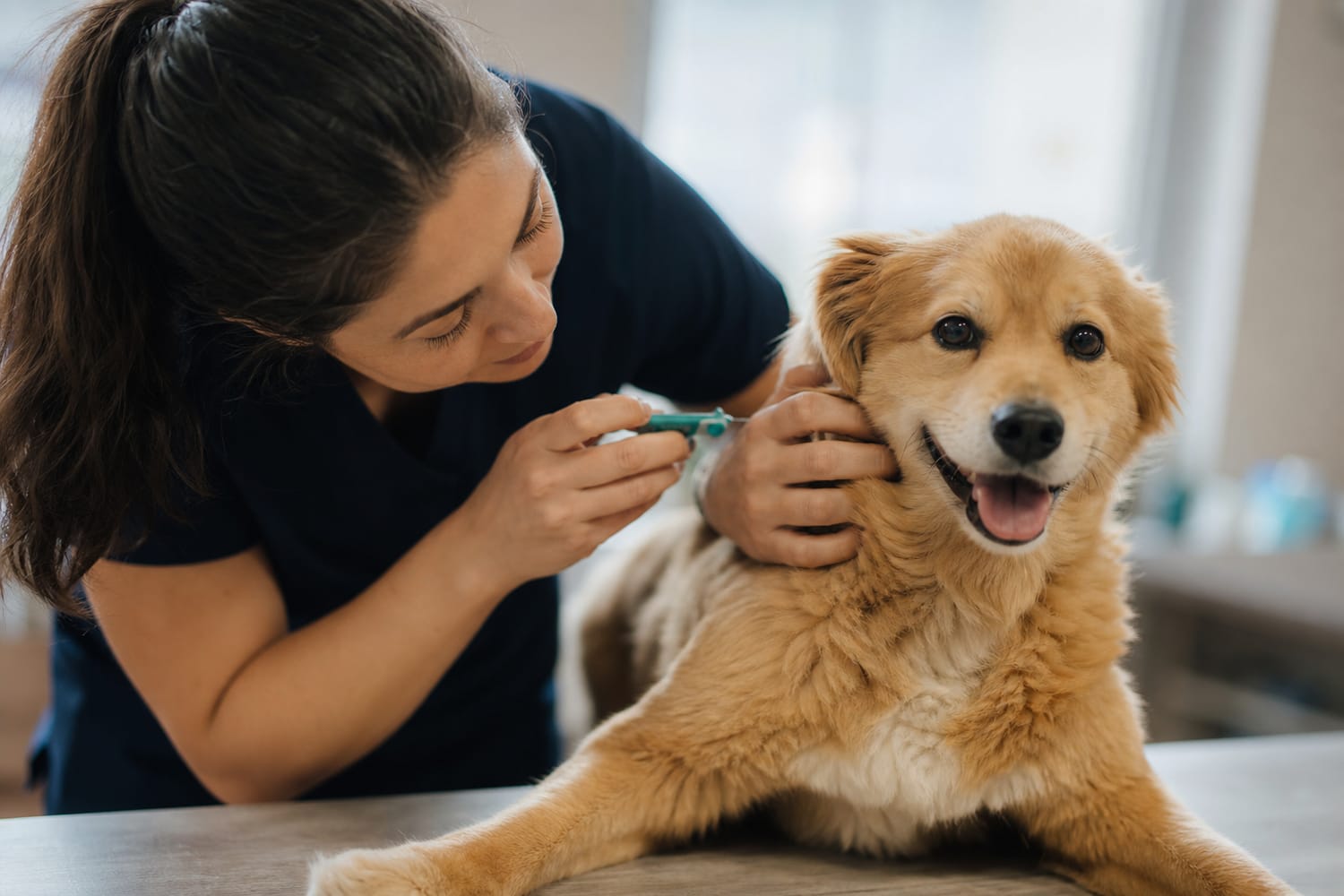
Microchipping Your Pet: The Simple Step That Could Bring Them Home
A Tiny Chip With a Life-Changing Purpose
Microchipping gives your pet a permanent form of identification that cannot simply fall off like a collar or tag. If your pet becomes lost and is taken to a veterinary clinic or animal shelter, a quick scan may connect them back to you—provided the chip is registered and your contact information is current.
No loving pet owner expects their companion to disappear. Yet doors get left open, gates fail, carriers break, storms frighten animals, and curious pets sometimes wander farther than intended. Even indoor cats can slip outside unexpectedly.
Microchipping cannot prevent every escape, but it can give a lost pet an important link to home. It is a small, practical act of preparation—and one that may make an enormous difference on a family’s most frightening day.
What Is a Pet Microchip?
A pet microchip is a tiny electronic device enclosed in a biocompatible capsule, generally about the size of a grain of rice. In dogs and cats, it is typically implanted beneath the skin around the shoulder area by a veterinarian or trained veterinary professional.
Each chip carries a unique identification number. When an appropriate scanner passes over the pet, radio-frequency energy activates the chip and allows the scanner to display that number. The number can then be checked against participating microchip registries to identify the company holding the owner’s contact details.
The chip itself does not normally contain your name, home address, medical history, or other detailed personal information. It carries the identification number that points authorized finders toward the relevant registry. You can read more about the technology through the American Animal Hospital Association’s microchipping FAQs.
How Microchipping Helps Lost Pets Get Home
Imagine that your dog slips through an open gate during a delivery or your cat escapes while you are moving. A neighbor finds your pet several streets away but discovers that their collar is missing.
The finder may take the animal to a shelter, veterinary hospital, or animal control facility. Staff can scan the pet and, if a chip is detected, enter its number into a lookup system. The appropriate registry can then use the information attached to that number to contact you.
The difference can be remarkable. A study involving more than 7,700 stray animals found that microchipped dogs were returned to their owners at a rate of 52.2%, compared with 21.9% for dogs without chips. For cats, the return rate was 38.5% for microchipped cats and just 1.8% for cats without chips.
Microchipping does not guarantee a reunion. A pet must be found, scanned, and linked to accurate registration information. However, it provides a durable clue when every other visible sign of ownership has disappeared.
What Happens During the Procedure?
For most pets, microchipping is a quick outpatient procedure. A veterinarian uses a specialized needle to place the chip beneath the skin. No surgery is required, and general anesthesia is not normally necessary.
Your pet may feel a brief pinch, much like they might during a vaccination. Some families choose to have the chip implanted during a routine appointment, while others combine it with spaying, neutering, dental treatment, or another procedure during which their pet is already under anesthesia.
Microchipping is generally considered safe, although every medical procedure deserves thoughtful discussion. Your veterinarian can explain what to expect based on your pet’s species, size, age, health, and temperament. If clinic visits make your companion nervous, these ideas for creating a less stressful veterinary visit may help.
Before leaving the clinic, ask the team to scan the newly implanted chip. Confirm the number on the scanner matches the number on your paperwork, and keep that paperwork somewhere secure.
Registration Is the Step You Cannot Skip
Implanting a microchip is only the beginning. The chip’s identification number must be registered with your contact information before it can serve as an effective bridge between you and your pet.
Complete the registration as soon as possible, even if your veterinary clinic or adoption organization says it has started the process. Confirm that the record contains:
- Your current mobile phone number
- A backup phone number
- Your email address
- Your home address
- An alternate contact you trust
- Your pet’s name and basic description
- Any useful medical or handling notes accepted by the registry
Keep a digital and printed copy of the chip number. Consider saving it in your phone, your pet’s veterinary records, and your household emergency folder.
If you know the number but are unsure which company manages it, use the AAHA Microchip Registry Lookup Tool. The tool identifies registries associated with the number; it does not display private owner information or update the record for you.
Keep the Information Current
A perfectly functioning chip may not lead to a reunion if the attached phone number has been disconnected or belongs to a previous owner. Update the registry whenever you:
- Move to a new address.
- Change your phone number or email address.
- Add or replace an emergency contact.
- Adopt a pet that already has a chip.
- Transfer ownership to another responsible caregiver.
When adopting, ask the shelter, rescue, breeder, or previous family for the microchip number and transfer instructions. Do not assume the registration automatically changes when the pet comes home with you.
Ask your veterinarian to scan the chip during routine wellness appointments, ideally at least once a year. This confirms that it remains readable and allows you to verify the number against your records. AAHA recommends annual scanning as well as keeping registry information current.
These simple maintenance habits belong alongside nutrition, preventive veterinary care, exercise, training, and the other elements of responsible pet ownership.
Why Your Pet Still Needs a Collar and Tag
Microchips and visible identification work best as a team. A person who finds a friendly dog wearing a readable tag may be able to call the owner immediately, without traveling to a shelter or clinic.
A microchip provides backup when that collar breaks, slips off, becomes unreadable, or is removed. The ASPCA therefore supports using a microchip together with a collar and personalized identification tag.
Whenever it is safe and appropriate, your pet should wear a properly fitted collar or harness with:
- Their name
- Your current phone number
- A secondary contact number, if space permits
- Any essential alert, such as “Needs medication”
- Required license or rabies tags
Cats should wear breakaway collars designed to release if caught. Dogs need secure, correctly fitted walking equipment, while adventurous cats should use an escape-resistant harness during supervised outings. Pet parents interested in safe feline exploration can learn how to teach a cat to use a leash.
Common Microchipping Myths
“My indoor pet does not need one”
Indoor pets can still escape through windows, damaged screens, open doors, garages, or carriers. Emergencies such as fires, floods, severe storms, and evacuations can also separate animals from their families. Indoor-only pets may be especially disoriented once outside.
“The chip lets me track my pet”
A standard microchip is passive identification technology, not a satellite or cellular tracking system. It has no battery and does not continuously transmit your pet’s location.
“Once the chip is implanted, I am finished”
Registration and accurate contact information are essential. The chip number identifies your pet, but the registry record tells the finder how to reach you.
“A microchip replaces an ID tag”
A visible tag may produce the fastest reunion because almost anyone can read it. A microchip provides permanent backup when visible identification is unavailable. The ASPCA’s lost-pet guidance recommends current tags and emphasizes that microchips are only as useful as the information provided to the registry.
Your Microchip Checklist
Use this quick checklist to make sure your pet’s safety net is ready:
- [ ] Ask your veterinarian whether microchipping is appropriate for your pet.
- [ ] Have the chip scanned immediately after implantation.
- [ ] Register the number with a reliable registry.
- [ ] Confirm your phone number, email, and address.
- [ ] Add a trusted alternate contact.
- [ ] Save the chip number in several secure places.
- [ ] Update the record after any contact or ownership change.
- [ ] Request a scan during annual veterinary visits.
- [ ] Continue using a secure collar and current ID tag.
- [ ] Include the microchip number in your emergency plan.
A Small Act of Love With Lasting Value
Microchipping may take only moments, but its value can last throughout your pet’s life. It quietly stays with them through ordinary days, exciting adventures, family moves, and unexpected emergencies.
We hope your pet never becomes lost. We hope their collar always stays secure and every gate remains closed. Loving a pet, however, means preparing for possibilities we would rather never face.
A registered, regularly checked microchip gives your companion one more way to tell the world, “I have a family. Please help me get home.” For pet lovers, few messages could matter more.