
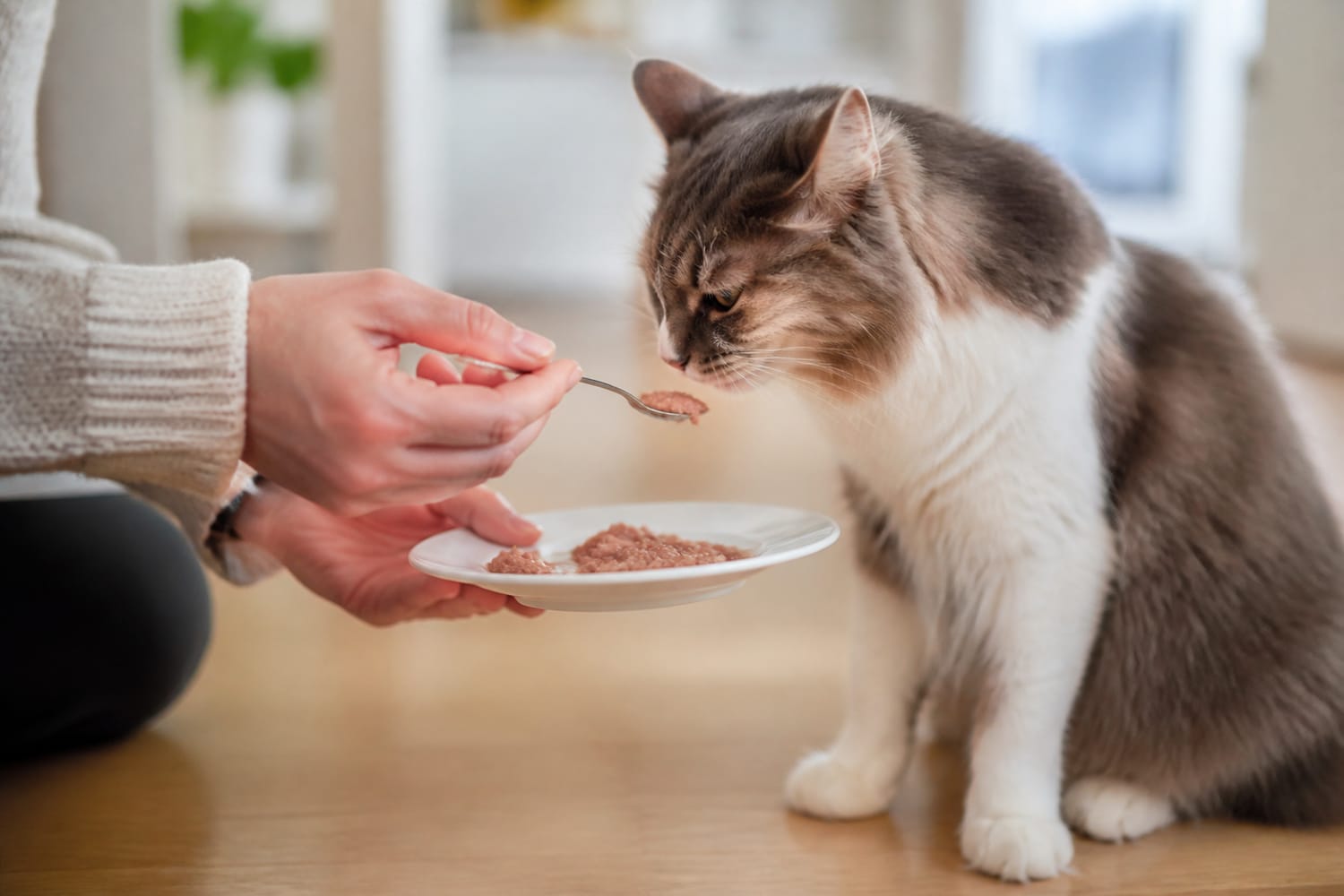
A toothless dog or cat can still enjoy a satisfying meal. The key is to offer food they can eat comfortably, keep it nutritionally complete, and pay attention to how they manage each bite. Soft food is often a good starting point, but your pet’s preferences—and any instructions from their veterinarian—should guide the final choice.
Losing teeth can sound heartbreaking. Yet teeth affected by disease may have made eating painful long before they were removed. Once the mouth has healed, many pets settle into mealtimes with renewed enthusiasm. The goal isn’t to create a complicated new routine; it’s to make the food bowl a welcoming place again.
Start With Comfort, Not a One-Texture Rule
Toothless doesn’t automatically mean “puréed food forever.” Some pets readily lap up smooth food, while others prefer a soft, slightly chunky meal. A pet may even manage their familiar kibble after healing. What matters is whether they can eat enough without struggling.
Watch your dog or cat during a meal. Are they eagerly approaching the bowl, picking up food, and swallowing comfortably? Or are they dropping pieces, pawing at their mouth, backing away, or repeatedly trying to eat without succeeding? Those changes deserve attention. In cats, difficulty eating and a sudden preference for soft food can also be signs of painful dental disease, not simply a texture preference.
If your pet has just had teeth extracted, healing comes first. Follow their veterinarian’s instructions about food, medication, and when to resume normal activities. Soft food may be recommended for several days after a dental procedure; don’t test the healing mouth with crunchy treats simply because your pet seems hungry.
Find a Texture That Works
You have several ways to make a familiar meal easier to eat. Try one adjustment at a time so you can see what your pet actually likes:
- Smooth pâté or mousse: Easy to lick and useful for pets that struggle to pick up pieces.
- Soft, finely minced wet food: A choice for pets that enjoy some texture but leave larger chunks behind.
- Wet food mashed with a fork: Break up any firm pieces and mix in a little warm water if a softer consistency helps.
- Moistened kibble: If your pet likes their usual dry food, soak a measured portion in warm water until it is thoroughly soft. Stir and check for hard pieces before serving.
A newly moistened bowl of kibble should be treated like a fresh meal, not left out all day. Make small portions, discard uneaten food, and wash the bowl between meals.
Aim for a texture your pet can eat comfortably, rather than the smoothest texture possible. If they lick gravy and abandon the chunks, try mashing the whole meal together. If they push a thin slurry around the dish, offer a thicker pâté. Small observations like these are more useful than assuming every toothless pet needs the same food.
Keep the Nutrition in the Bowl
A softer texture should not come at the expense of a balanced diet. For everyday feeding, choose a dog or cat food whose label says it is “complete and balanced” for your pet’s life stage. That statement distinguishes a food intended as a full diet from many treats, toppers, and snacks. The FDA’s guide to complete and balanced pet food explains what to look for on the label.
This matters if tempting shortcuts—such as serving only broth, meat purée, or lickable treats—seem easier than finding a suitable meal. Those foods might be occasional additions if your veterinarian agrees, but they should not quietly replace a complete diet. Cats and dogs also have different nutritional needs, so keep each pet on food made for their species. Petspiration’s guide to why dog food and cat food aren’t interchangeable offers a closer look.
Check portions when you change formats. A scoop of kibble and a similar-looking scoop of wet food may provide different amounts of energy. Read the calories per can, pouch, or measured serving, and ask your veterinarian what daily amount suits your pet’s weight and health. Petspiration’s guide to calculating daily calories and portions can help you make sense of food labels.
If your pet eats a prescription diet or has a condition such as kidney disease or diabetes, ask their veterinarian before switching foods. Often, the best first question is whether their existing diet can be served in a softer form.
Make the Bowl Easier to Use
Texture is only part of a comfortable mealtime. A wide, shallow dish may help a pet who has trouble gathering food from the corners of a deep bowl. A non-slip mat can keep the dish from traveling across the floor, while a quiet spot gives your companion room to eat without competition.
Try serving a modest portion and offering more if needed. A pet who tires easily may do better with several smaller meals that still add up to their planned daily allowance. If you have other animals, feed them separately so you can tell who ate what. Petspiration’s multi-pet feeding schedule ideas can help make that routine feel manageable.
A little warmth may also make food more inviting. Mix in warm—not hot—water, or let refrigerated wet food lose its chill before serving. Stir and test the temperature, especially if you use a microwave, which can heat food unevenly. Keep fresh drinking water available even when your pet eats wet food.
Take Food Changes Slowly
A dog or cat may need time to recognize a new texture as dinner. When their mouth is healed and there is no urgent eating concern, introduce a different food gradually alongside their familiar one. You can also start by softening the food they already know rather than changing both the flavor and the texture at once.
Be patient with a cat who sniffs a new pâté and walks away—but don’t wait out a cat who isn’t eating. Cats that consume too little can develop serious health problems. If your cat refuses food, is eating substantially less than usual, or seems interested but unable to eat, contact your veterinarian promptly. The same applies to a dog who cannot manage food, appears painful, or stops eating. Cornell’s cat-feeding guidance is a reminder that appetite changes deserve care, not a battle of wills.
Avoid trying to force food into a reluctant pet’s mouth unless your veterinary team has specifically instructed you to do so. If eating hurts—or nausea is the real problem—a different bowl of food alone won’t solve it.
Know When to Call for Help
A little trial and error with texture is normal. Persistent trouble eating is not. Arrange a veterinary check if you notice food repeatedly falling from your pet’s mouth, drooling, bad breath, bleeding, pawing at the face, vomiting, weight loss, or a sudden change in appetite. After extractions, contact the treating clinic if recovery is not going as described in your discharge instructions.
Keep an eye on the bigger picture, too. Is your companion maintaining their weight? Are they finishing a reasonable amount over the day? Do they seem relaxed at the bowl? Their answers may change as their mouth heals, and your veterinarian can help adjust the plan.
A missing set of teeth doesn’t take away your pet’s love of mealtime. With a nourishing food, a comfortable texture, and a little attention to the details, breakfast and dinner can remain two of the happiest moments of their day.