
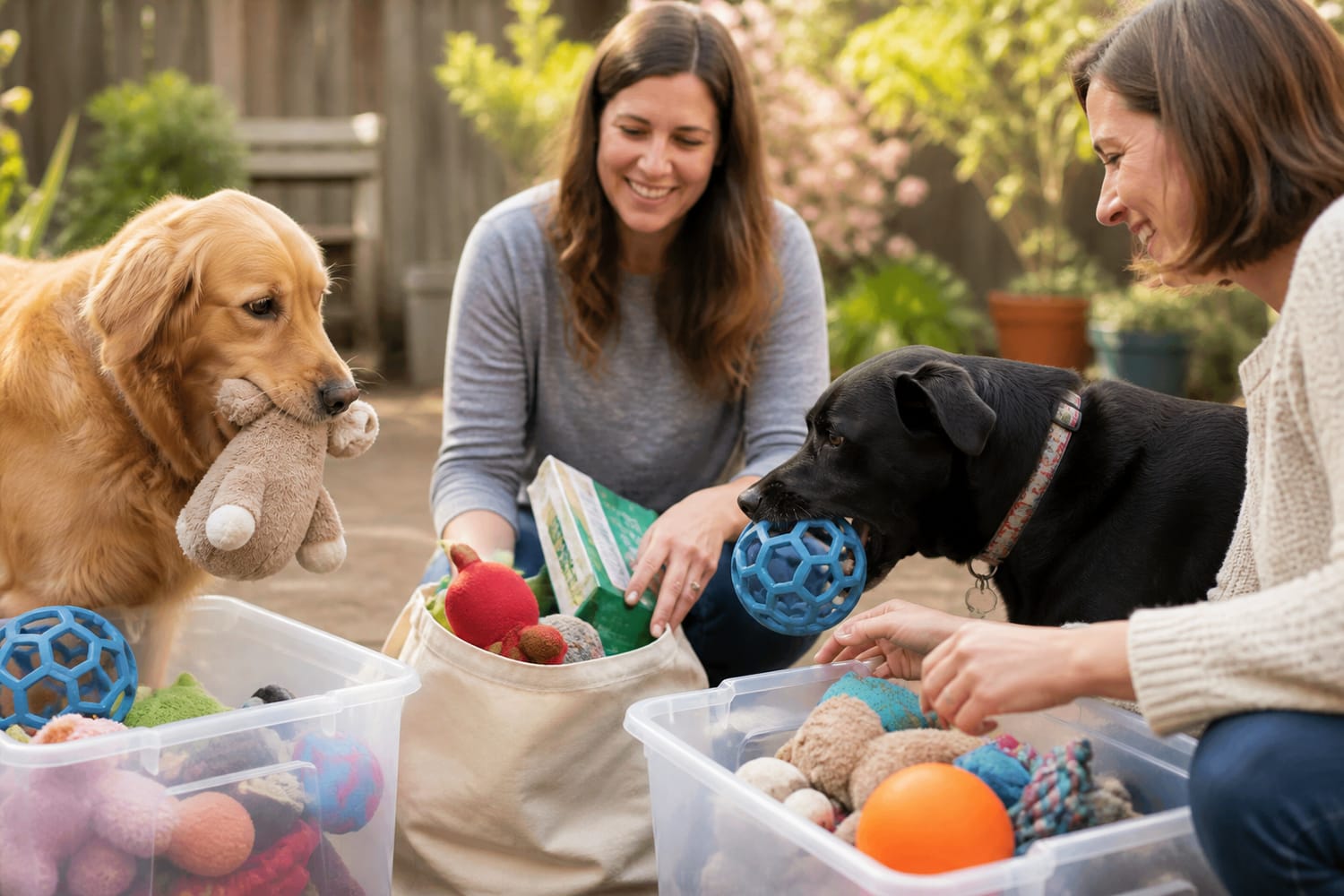
A Fresh Way to Share, Save, and Celebrate Pets
A pet swap party is a friendly gathering where pet lovers exchange clean, safe toys, gear, and supplies their animals no longer need. With clear rules, careful inspections, proper cleaning, and species-appropriate choices, everyone can reduce waste, refresh their pet’s routine, and enjoy the community spirit without compromising animal health.
Perhaps your dog has three raincoats but refuses to wear any of them. Maybe your cat ignored a puzzle toy that another feline would find fascinating. From unused carriers to outgrown harnesses, many pet households contain perfectly useful items gathering dust.
A thoughtfully planned pet swap gives those belongings another chance to be loved. It can also help families manage pet-care costs, reduce unnecessary consumption, and meet neighbors who understand why finding fur in your coffee is simply part of life.
The most important word, however, is thoughtfully. Pet supplies can carry dirt, allergens, parasites, or disease-causing organisms, while worn or incorrectly sized equipment may create safety risks. A successful swap should feel generous and joyful—but never careless.
Decide What Guests May Bring
Begin by creating a clear list of accepted and prohibited items. Share it with every guest before the event so no one arrives with a trunk full of unsuitable donations.
Good swap candidates may include:
- Washable plastic or rubber toys in excellent condition
- Clean bowls and feeding mats
- Unused waste bags and litter accessories
- Gently used crates and hard-sided carriers
- Washable blankets, coats, and pet bedding
- Clean, undamaged leashes, collars, and harnesses
- Puzzle feeders with all their pieces
- Unopened grooming supplies
- Aquarium or habitat decorations that can be properly sanitized
- New, sealed packages of nonprescription supplies within their expiration dates
Items should have no sharp edges, cracks, exposed stuffing, loose components, heavy staining, strong odors, or missing safety parts. If you would hesitate to give something to your own pet, do not place it on the swap table.
You can also invite guests to bring new items for a local rescue or community pet pantry. Contact the organization beforehand because shelters have different donation policies and may be unable to accept certain used or opened products.
Create a Firm “Do Not Swap” List
Some pet products are too personal, difficult to sanitize, or risky to exchange. Being selective protects every animal attending—or waiting at home.
Do not swap:
- Prescription medications
- Opened supplements or parasite-control products
- Used syringes, medical devices, or wound-care materials
- Opened food, treats, litter, or edible chews
- Products with missing labels or unreadable expiration dates
- Damaged electrical equipment
- Heavily scratched plastic bowls or containers
- Cracked crates, carriers, gates, or aquarium tanks
- Frayed ropes or toys with detachable pieces
- Used litter boxes that cannot be fully cleaned
- Porous habitat accessories that cannot be safely sanitized
- Grooming tools that may have contacted infected skin
- Items recalled by the manufacturer
Even sealed food may be unsuitable if its history is uncertain, it has been stored improperly, or it is close to expiring. Guests should keep nutrition out of the exchange unless the event is partnering with an organization that has provided specific acceptance guidelines.
Used bedding, fabric toys, and other porous materials require extra caution. Do not bring belongings recently used by an animal with fleas, ringworm, respiratory illness, diarrhea, or another potentially contagious condition. When in doubt, leave the item out.
Make Cleaning Part of Admission
Every item should arrive clean, dry, and ready for inspection. According to the Centers for Disease Control and Prevention’s pet-supply cleaning guidance, cleaning removes dirt and germs using soap or detergent, while disinfecting uses chemicals to kill germs on surfaces. These are related but different steps.
Whenever possible, follow the item manufacturer’s care instructions. Wash hard objects with warm, soapy water, rinse them thoroughly, and allow them to dry. Machine-wash suitable blankets, soft toys, and clothing according to their labels, then dry them completely.
If an item needs disinfection, use a product appropriate for the material and pet species. Follow its label precisely, including dilution, surface-contact time, ventilation, rinsing, and drying directions. Keep animals away during cleaning and store all products beyond their reach. For more household guidance, explore Petspiration’s advice on finding pet-safe cleaning products that work.
Bird owners should be particularly careful because birds can be extremely sensitive to fumes. The ASPCA’s household-product safety guidance recommends obtaining veterinary advice when using cleaning products around birds.
Never try to hide an unpleasant smell beneath perfume, essential oils, or fabric spray. A clean item should not need a fragrance disguise, and strong scents may be irritating or overwhelming to some animals.
Inspect Every Item at the Door
Set up a welcome station staffed by one or two responsible adults. Rather than placing incoming goods directly onto tables, inspect them first.
Use this quick checklist:
- Is it visibly clean and completely dry?
- Does it have stains, mold, rust, or an unusual odor?
- Are there cracks, tears, exposed stuffing, or sharp areas?
- Could any small part break off and be swallowed?
- Are buckles, clips, doors, handles, and fasteners working?
- Is the size or weight limit known?
- Is the label or instruction booklet available?
- Has the product been checked for recalls?
Place rejected goods in a private area rather than embarrassing the person who brought them. A cheerful “Thank you, but this one doesn’t meet today’s safety rules” keeps the atmosphere positive.
Check unknown products against the manufacturer’s website or an established recall resource. The American Veterinary Medical Association maintains a recalls and safety alerts page covering animal-related items.
Organize the Swap for Easy Matching
Arrange tables by category rather than placing everything in one colorful mountain. Helpful sections might include:
- Dog toys
- Cat toys
- Small-animal supplies
- Bird accessories
- Fish and reptile equipment
- Walking and travel gear
- Beds and blankets
- Bowls and feeding accessories
- New, unopened products
Within each section, sort wearable gear by measurements. “Small” can mean very different things across brands, so encourage guests to bring the pet’s neck, chest, back, or carrier measurements.
Toy selection also requires more than choosing the cutest object. An item should be large enough that the recipient cannot swallow it and durable enough for that animal’s play style. Texas A&M veterinary guidance notes that toy size, strength, dental health, and chewing habits all matter when selecting safe options.
A gentle senior dog may enjoy a softer rubber toy, while a powerful chewer could destroy it quickly. A ribbon wand might delight a cat during supervised play but should not be left accessible afterward. Rabbit, bird, and rodent items must use materials appropriate for those species—not simply whatever happens to fit inside the enclosure.
Consider Keeping Pets at Home
A “pet swap party” does not have to include pets. In fact, a people-only event is often calmer, cleaner, and easier to manage.
Unfamiliar animals may feel overwhelmed by crowds, strange scents, valuable toys, and limited space. Dogs could compete over resources, cats may become frightened, and small animals can be stressed by transportation and noise. Leaving pets at home also prevents guests from testing uncleaned items on the spot.
If you decide to welcome animals, make attendance optional and establish strict rules. Use secure leashes or carriers, provide quiet retreat areas, separate species, remove shared water bowls, and ask guests not to offer treats without permission. Any animal showing fear, aggression, illness, or significant stress should be taken home.
The real fun can happen afterward. Guests can send photos of pets enjoying their new treasures, creating a delightful post-party update filled with wagging tails, curious whiskers, and proud pet-parent messages.
Introduce Every New Treasure Carefully
A swapped item may be safe and still be wrong for a particular pet. Reinspect and, when appropriate, clean it again at home. Then introduce it under close supervision.
Watch how your pet interacts with the object. Remove it immediately if your companion begins tearing off pieces, chewing hardware, becoming frustrated, guarding it, or using it in an unsafe way. If any part appears to have been swallowed, contact a veterinarian promptly.
Do not be discouraged if your pet ignores the new arrival. Preferences are wonderfully individual. Petspiration’s Pet Joy Map can help you observe which textures, games, and activities your companion genuinely enjoys.
You can also combine swapped toys with the toy rotation method. Offering a small selection while storing the rest can reduce clutter and make familiar toys feel interesting again.
Add a Little Party Magic
Once safety rules are settled, make the gathering memorable. Decorate with paw-print signs, play a pet-themed playlist, and invite guests to display photos of the animals receiving the supplies. Children can help make category labels or write cheerful “Enjoy your new toy!” tags under adult supervision.
Consider using a simple exchange system:
- Each accepted item earns one token.
- Guests spend tokens on items they want.
- Large or high-value equipment may cost two or three tokens.
- Unclaimed items return to their owners or go to a prearranged charity.
A free-table format can work for a small group, but tokens help prevent one person from collecting everything before others have a chance to browse.
Let Generosity Be the Best Takeaway
A pet swap party is about more than saving money. It is a celebration of resourcefulness, community, and the happiness animals bring into our lives. A carrier that has become too small for one kitten may be perfect for another. A puzzle ignored by one dog may become another pup’s rainy-day favorite.
When cleanliness, condition, fit, and species-specific safety come first, swapping can be both practical and heartwarming. Set clear expectations, inspect every object, and remind guests that leaving empty-handed is better than taking home something unsuitable.
The greatest treasure is not the fullest shopping bag. It is knowing that pet lovers came together, reduced waste, helped one another, and gave useful belongings a safe new beginning.