
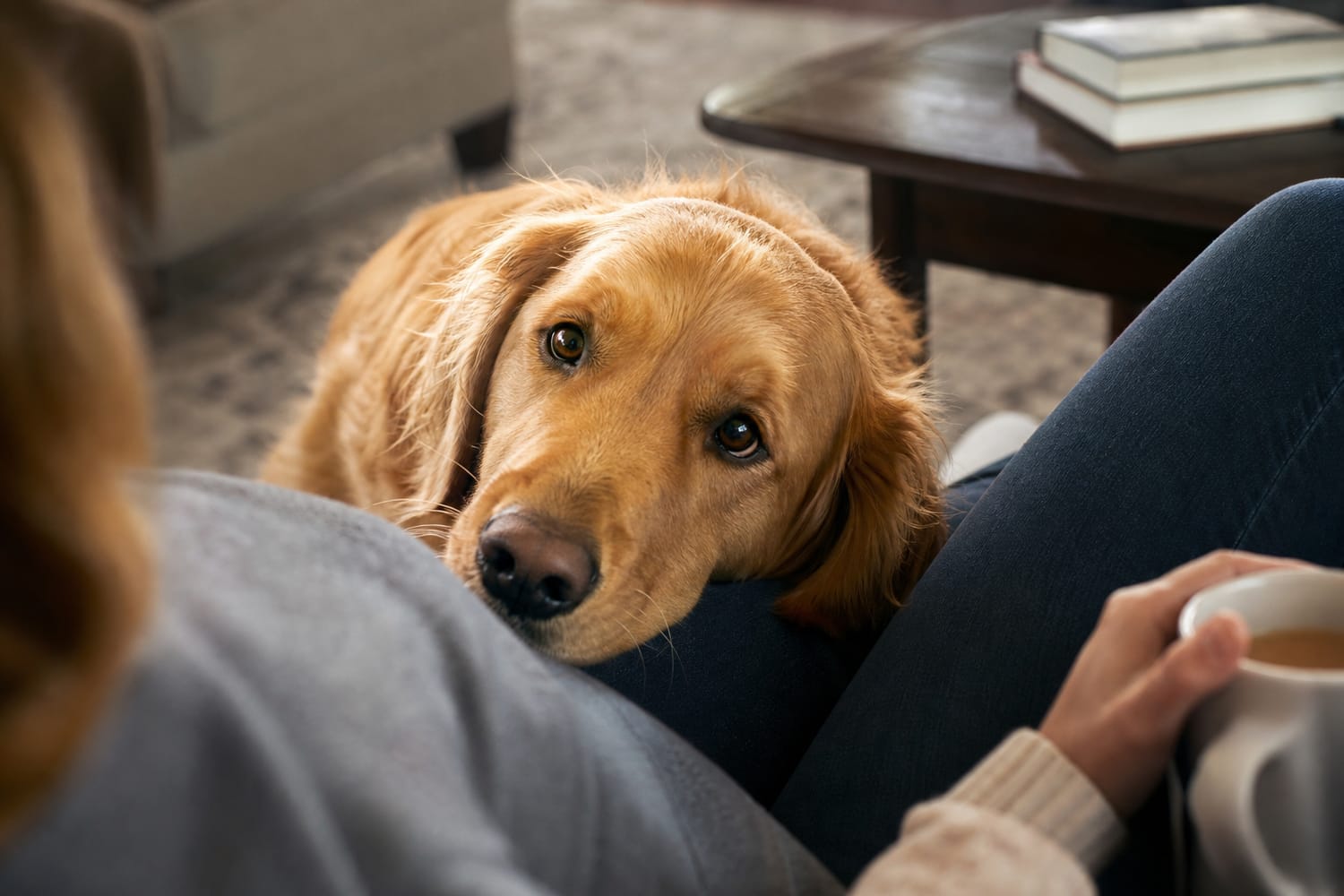
The Look Every Pet Lover Knows
If you share your life with a pet, you know the feeling: you look up from your book, your dinner, or your laptop and find a pair of eyes fixed on you. Maybe it’s your dog gazing with soft, hopeful devotion. Maybe it’s your cat watching from across the room like a tiny, elegant mystery. Maybe your rabbit, bird, or guinea pig seems to be quietly studying your every move.
That stare can feel sweet, funny, intense, or even a little puzzling. Is your pet hungry? Curious? Judging your snack choices? Trying to tell you something?
The truth is, pets stare for many reasons—and most of them are deeply connected to communication, learning, trust, and emotional bonding. Animals may not use words the way we do, but they are constantly “talking” through posture, movement, sound, scent, and yes, eye contact.
When your pet stares at you, they may be gathering information, asking for help, expressing affection, anticipating a routine, or simply enjoying your presence. Those soulful looks are not random. They are part of the beautiful, ongoing conversation between humans and the animals we love.
Eye Contact Is a Form of Communication
For humans, eye contact is one of the most powerful social tools we have. We use it to show attention, affection, curiosity, confidence, and understanding. In the animal world, eye contact can mean many different things depending on the species, situation, and body language.
Dogs, for example, have evolved alongside humans for thousands of years. Over time, they became especially skilled at reading human facial expressions, gestures, and gaze direction. Many dogs can follow where we point, notice where we are looking, and even learn that a certain expression means dinner, a walk, or playtime.
Cats communicate more subtly, but they also use their eyes in meaningful ways. A relaxed cat may gaze softly or slowly blink at a person they trust. A hard, unblinking stare from a tense cat, on the other hand, may signal alertness, discomfort, or focus.
The key is context. A stare is never just a stare. To understand what your pet may be saying, look at the whole picture: ears, tail, posture, facial muscles, vocalizations, and what is happening around them.
Dogs and the “Love Hormone” Connection
One of the most fascinating discoveries in pet science involves dogs, humans, and oxytocin—a hormone associated with social bonding. Oxytocin is sometimes called the “love hormone” because it plays a role in attachment, trust, and nurturing behavior.
Research has shown that when dogs and their humans gaze at each other in a relaxed, positive way, oxytocin levels can increase in both. This is similar to the bonding loop seen between human parents and babies. In simple terms, warm eye contact can help strengthen the emotional connection between you and your dog.
That doesn’t mean every dog stare is about love, of course. Dogs also stare because they want something, because they are waiting for a cue, or because they are trying to understand what comes next. But when your dog looks into your eyes with a loose body, soft face, and wagging tail, there is a good chance that gaze is part of your shared bond.
Dogs are incredibly observant. They learn your habits: when you pick up your keys, when you open the treat jar, when you put on walking shoes, when you reach for their leash. A stare may simply mean, “I know what usually happens next, and I am very interested.”
Your Pet May Be Asking for Something
One of the most common reasons pets stare is simple: they want something.
Dogs may stare when they want food, a walk, attention, play, or access to a favorite spot. If your dog sits near the door and stares, the message may be pretty clear. If they stare at you and then glance at the treat cupboard, they are being even more specific.
Cats may stare when they want breakfast, fresh water, a clean litter box, a door opened, or your lap made available immediately. Many cats are masters of silent requests. Some will combine staring with meowing, pawing, head-butting, or leading you toward the desired object.
Other pets do this too. A parrot may stare and lean forward when interested in interaction. A rabbit may watch you closely if they expect greens or want to be let out to explore. Guinea pigs often become alert and focused when they hear familiar food-related sounds, such as a refrigerator opening or a bag rustling.
The important thing is that animals learn through patterns. If staring at you has worked in the past—if it resulted in a snack, cuddle, or game—your pet may repeat the behavior. This is not manipulation in a sneaky human sense. It is learning. Pets are excellent at figuring out what gets results.
Staring Helps Pets Read Our Emotions
Many pets are much better at reading us than we realize. Dogs in particular can recognize emotional cues in human faces, voices, posture, and scent. They may notice when we are happy, stressed, sad, excited, or unwell. Some dogs become extra attentive when their person is crying or anxious. Their stare may be part concern, part curiosity, and part “What should I do?”
Cats are often described as independent, but cat lovers know they can be surprisingly sensitive companions. Many cats notice changes in routine and emotional tone. They may sit nearby, watch quietly, or offer gentle contact when their person is feeling low.
This ability to observe us is one of the reasons pets can feel so comforting. They may not understand every detail of human emotions, but they often recognize that something has changed. Their gaze can feel grounding because it is present, honest, and free of judgment.
In a busy world, there is something deeply healing about being seen by an animal who simply wants to be near you.
The Famous Cat Slow Blink
Cats deserve a special mention because their eye language is wonderfully unique. If a cat looks at you and slowly closes and opens their eyes, that “slow blink” is often considered a sign of comfort and trust. Some people call it a “cat kiss.”
In cat communication, direct staring can sometimes be intense or threatening, especially between unfamiliar cats. A slow blink softens the interaction. It signals that the cat is relaxed enough to partially close their eyes in your presence—which is a vulnerable thing for an animal to do.
You can try slow blinking back. Look at your cat with relaxed eyes, slowly close them, then gently open them again. Do not force a stare or lean in too strongly. Just offer a calm, peaceful blink. Many cats will return the gesture, look away contentedly, or settle more comfortably.
When Staring Means Focus or Instinct
Not every stare is emotional. Sometimes it is practical. Animals stare when they are focused.
A cat staring at a moving shadow, insect, or toy is likely showing hunting focus. Cats are predators by nature, and their vision is excellent at detecting movement. That intense, motionless gaze may be followed by a wiggle, pounce, or playful chase.
Dogs may stare when they are tracking a ball, watching another animal, or waiting for a command. Herding breeds, such as Border Collies and Australian Shepherds, are especially known for using an intense gaze—sometimes called “eye”—to control the movement of livestock. In a family home, that same instinct may appear when they watch children, other pets, or toys.
Birds also use gaze and head position to examine objects. Because many birds have eyes on the sides of their heads, they may turn one eye toward you to get a better look. This is not rudeness; it is how their vision works.
Small mammals, such as rabbits and guinea pigs, may stare when assessing safety. As prey animals, they are naturally alert to changes in their environment. A quiet, watchful gaze may mean they are deciding whether everything feels safe.
When a Stare Is a Sign of Trust
One of the loveliest reasons pets stare is because they feel safe with you.
A relaxed dog resting their chin on your knee and gazing up at you is often enjoying connection. A cat lounging nearby with half-closed eyes may be saying, “I trust this space, and I trust you.” A rabbit who calmly watches you from a comfortable position may be showing that your presence has become familiar and non-threatening.
Trust is built through many small moments: feeding, gentle handling, play, predictable routines, kind voices, and respecting boundaries. Every positive interaction teaches your pet that you are safe.
This is especially meaningful with rescued or shy animals. A pet who once avoided eye contact may slowly begin to watch you with curiosity. Later, that watchfulness may become softness. Over time, a fearful stare can transform into a trusting gaze. That journey is one of the quiet miracles of pet companionship.
When Staring Could Be a Warning Sign
Most staring is normal, but there are times when it deserves attention. A hard stare combined with stiff posture, growling, bared teeth, pinned ears, raised fur, lunging, or tail thrashing may indicate fear, stress, or possible aggression. In these situations, do not punish the animal or force contact. Give them space, reduce the trigger if possible, and consider help from a qualified trainer, behaviorist, or veterinarian.
Sudden, unusual staring can also sometimes have medical causes. Pets may stare at walls, corners, or empty spaces due to changes in vision or hearing, cognitive dysfunction in older animals, neurological issues, pain, compulsive behavior, or partial seizures. Senior pets may become disoriented and appear to stare blankly. Cats or dogs who suddenly act confused, unresponsive, or unlike themselves should be checked by a veterinarian.
It is also worth noting that some animals may stare when they are uncomfortable but not showing obvious signs. A pet who freezes and stares during handling may be asking for a break. Learning to recognize subtle stress signals—lip licking, yawning, turning away, crouching, tucked tail, dilated pupils—helps us become better guardians.
How to Respond to Your Pet’s Stare
The best response depends on what your pet seems to be communicating.
If the stare is soft and affectionate, enjoy it. Speak gently, offer a slow blink to your cat, or give your dog calm praise. If your pet is asking for something appropriate—like a potty break, playtime, or fresh water—responding can strengthen communication.
If your pet is staring for food, be mindful. It is easy to accidentally teach pets that staring always earns snacks. Instead, reward calm behaviors you like, such as sitting politely or going to a mat. This keeps communication positive without encouraging constant begging.
If the stare seems tense, give space. Avoid staring back intensely, as some animals may interpret that as pressure. Turn slightly sideways, soften your eyes, and allow them to move away.
And if the staring is new, frequent, or paired with odd behavior, trust your instincts and contact your veterinarian.
The Beautiful Conversation Without Words
Pets stare at us for many reasons: love, learning, curiosity, instinct, requests, safety, and connection. Sometimes they are reading our emotions. Sometimes they are waiting for dinner. Sometimes they are simply taking in the person who means the world to them.
The more we learn about animal behavior, the more amazing these everyday moments become. That quiet gaze from across the room is not empty. It is part of a relationship shaped by trust, routine, attention, and affection.
Our pets may not speak our language, but they are always communicating. When we slow down enough to notice, we discover that those soulful looks are invitations—to understand, to connect, and to love more thoughtfully.
So the next time your pet stares at you, pause for a moment. Look at their body language. Consider what they might need. Then appreciate the wonder of being watched by a creature who has chosen you as part of their world.