
A Familiar Scene in the Living Room
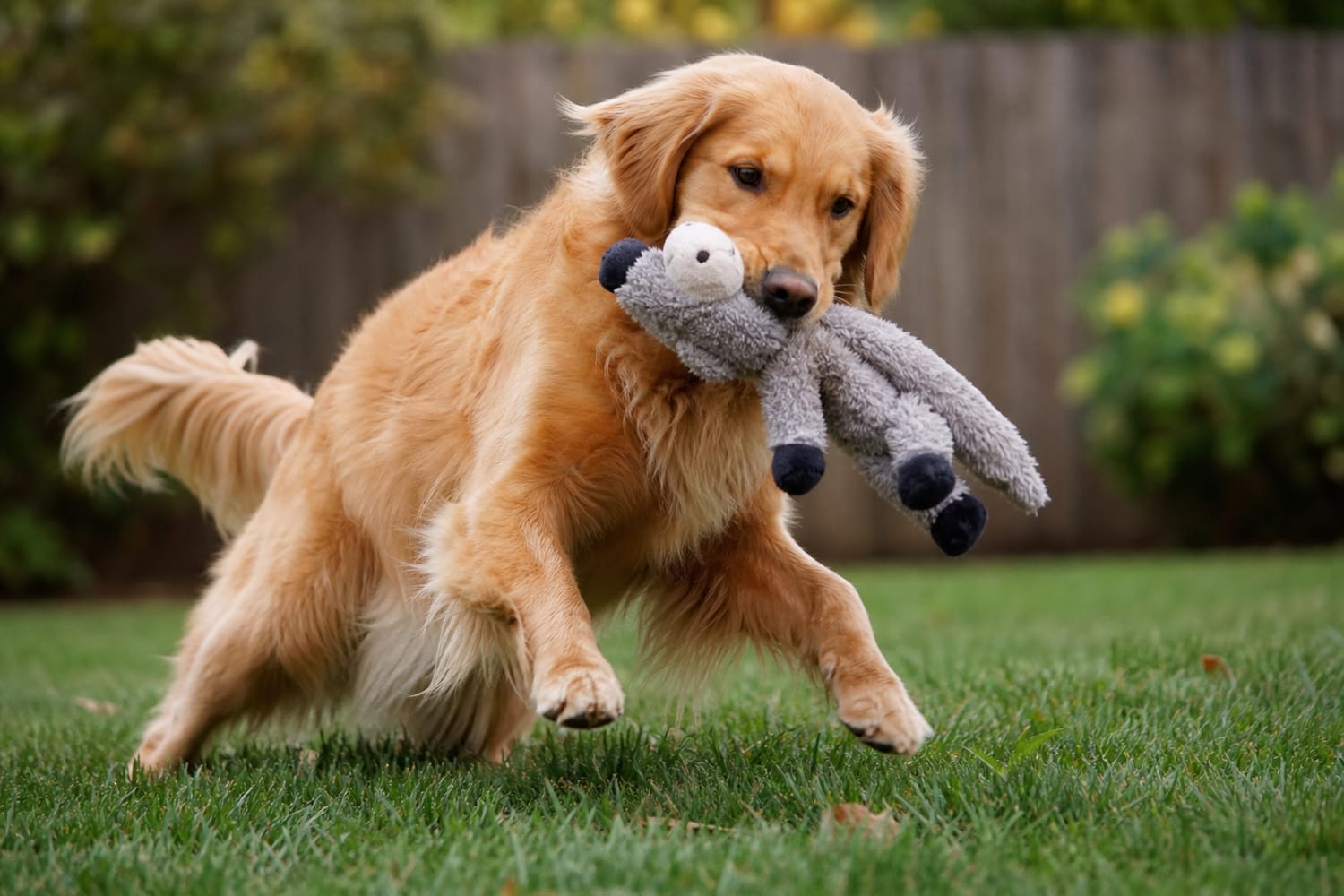
If you share your life with a dog, you’ve probably seen it: your pup grabs a plush squeaky toy, plants their paws, gives a mighty head shake, and sends floppy ears, stuffing, and joy flying in every direction. Sometimes they pounce first, sometimes they toss the toy into the air, and sometimes they proudly parade around afterward as if they’ve just won a grand championship.
To us, it looks funny, adorable, and maybe a little dramatic. But to dogs, shaking toys is more than random silliness. It is a natural behavior with deep roots in canine evolution, play, learning, and emotional expression.
Dogs shake toys because it taps into instinctive movement patterns inherited from their wild ancestors. But in the comfort of your home, it is usually not about aggression. Most of the time, it is simply play: a joyful blend of instinct, exercise, exploration, and bonding.
The Ancient Instinct Behind the Shake
Modern dogs may nap on memory foam beds and wear holiday sweaters, but they still carry many behaviors from their wild canine ancestors. Wolves, foxes, and other wild canids use quick head shakes as part of hunting behavior. When catching small prey, a predator may shake the animal to subdue it quickly.
That motion—grab, shake, release—is part of what animal behavior experts call a “predatory motor pattern.” In wild canids, this sequence can include searching, stalking, chasing, grabbing, shaking, and sometimes dissecting. Domestic dogs still show pieces of this pattern, but selective breeding and life with humans have changed how and when it appears.
When your dog shakes a squeaky squirrel toy, they are not necessarily imagining a hunt in a serious way. Instead, the toy activates an old instinct in a safe, playful context. The movement feels satisfying. The squeak may add excitement. The texture of the toy may encourage chewing and tugging. Put it all together, and you get one of the most classic dog-play moments in the world.
Why Pouncing Makes Play Even More Exciting
Toy shaking often comes with pouncing, and that is no coincidence. Pouncing is another behavior connected to canine predatory play. Puppies may pounce on littermates, leaves, shadows, or toys as they learn how their bodies work. Adult dogs often keep this playful habit, especially when a toy moves unpredictably or makes a sound.
A pounce adds surprise. It turns an ordinary toy into something “alive” in your dog’s imagination. If you drag a toy across the floor, hide it partly under a blanket, or toss it so it bounces, your dog’s brain may light up with curiosity and excitement. They crouch, wiggle, spring forward, grab, shake—and then look at you as if to say, “Again!”
This kind of play is mentally enriching. It lets dogs practice coordination, timing, balance, and problem-solving. For puppies, pouncing helps develop motor skills. For adult dogs, it provides exercise and emotional release. For senior dogs, gentle toy play can offer stimulation and joy, as long as it is appropriate for their comfort and mobility.
Play Is Practice, Not “Bad Behavior”
Sometimes people worry that toy shaking means their dog is becoming aggressive. In most cases, that is not true. Playful shaking is normal and healthy, especially when it happens with toys and not with inappropriate objects, people, or other animals.
The key is reading your dog’s overall body language. A relaxed, playful dog may have a loose body, bouncy movements, a wagging tail, soft eyes, and an open mouth. They may pause often, invite you to participate, or bring the toy back. Play usually has rhythm: action, pause, action, pause.
Aggression or stress tends to look different. A dog may become stiff, freeze over an object, growl in a low intense way, show hard staring, guard the toy, or resist letting anyone approach. Even then, growling during tug or play is not always a problem—many dogs “play growl” happily. Context matters.
If your dog only shakes toys during play, relax and enjoy the show. If they guard toys, snap when approached, or redirect biting onto hands, it may be time to consult a qualified positive-reinforcement trainer or veterinary behavior professional.
Why Some Dogs Shake Toys More Than Others
Not every dog shakes toys with the same enthusiasm. Personality matters, but breed history can play a role too.
Terriers, for example, were originally bred to chase and dispatch small animals such as rats or other vermin. Many terriers still love to grab, shake, dig, and pounce. Retrievers may enjoy carrying toys more than shaking them, though plenty will still do both. Herding breeds may prefer chasing moving toys or controlling motion. Scent hounds may be more interested in sniffing out hidden treats than attacking plushies.
Of course, every dog is an individual. A tiny Chihuahua may shake a toy like a champion wrestler, while a large Great Dane may prefer gently holding a stuffed animal. There is no “right” style of play as long as your dog is safe, happy, and engaged.
Age also influences toy-shaking behavior. Puppies often shake toys as they explore the world with their mouths. Adolescent dogs may shake with extra enthusiasm as they burn energy. Adult dogs may develop favorite toys and rituals. Senior dogs may still love the behavior but prefer softer toys, shorter sessions, or lower-impact play.
The Role of Squeakers, Texture, and Movement
Dog toys are designed to attract canine senses. Squeakers are especially powerful for many dogs because the sound can mimic the high-pitched noises associated with prey animals. That does not mean your dog is being cruel. It means the toy is tapping into sensory preferences that make play exciting.
Texture matters too. Soft plush toys are easy to grip and shake. Rope toys invite tugging. Rubber toys bounce unpredictably, encouraging pounces. Crinkly toys create novel sounds that can keep dogs interested. Some dogs love toys with floppy parts—long ears, tails, or limbs—because they whip around dramatically during shaking.
Movement can make a toy even more thrilling. A toy lying still may be mildly interesting, but a toy that slides, bounces, squeaks, or disappears behind a couch becomes an adventure. Interactive play with you often makes toys far more valuable than toys alone.
Shaking Toys Helps Dogs Release Energy
Dogs need outlets for their bodies and brains. Toy shaking can be one of those outlets. It allows them to use their jaw, neck, shoulders, and core muscles. It also gives them a satisfying job: catch the toy, conquer the toy, celebrate with the toy.
For high-energy dogs, toy play can be a helpful part of the daily routine. It does not replace walks, sniffing, training, or social interaction, but it can complement them. A five-minute toy game may help a dog settle before a meeting, after a rainy-day potty break, or during an evening burst of energy.
Mental enrichment is just as important. You can hide toys around the room, ask your dog to “find it,” or teach names for different toys. You can practice cues like “take it,” “drop it,” and “bring it.” These games turn natural instincts into teamwork and learning.
Tug, Shake, Drop: Building Better Communication
Toy shaking often blends naturally into tug-of-war. Tug can be a fantastic game when played with simple rules. It builds confidence, strengthens your bond, and gives dogs a legal way to grab and pull.
The most important cue to teach is “drop it” or “give.” Start by trading for a treat or another toy. When your dog releases, reward them and then resume the game. This teaches that letting go does not end the fun—it keeps the fun going. Over time, your dog learns self-control in an upbeat way.
Avoid yanking upward or swinging your dog by the toy, especially with puppies, small dogs, senior dogs, or dogs with dental or neck issues. Let your dog do the shaking. Keep your movements low and side-to-side rather than jerky or forceful. Play should feel like a dance, not a wrestling match.
Safety: Choosing the Right Toys
Because toy shaking can be intense, toy safety matters. Choose toys that match your dog’s size, chewing style, and strength. A toy that is too small can become a choking hazard. A toy that is too delicate may be shredded and swallowed.
Inspect toys regularly. Remove loose squeakers, torn stuffing, dangling threads, or broken pieces. Some dogs enjoy “de-stuffing” plush toys but should be supervised if they might swallow the filling or squeaker. For powerful chewers, consider sturdy rubber toys, reinforced fabric toys, or toys designed for tough play—but remember that no toy is truly indestructible.
Also be mindful of the play environment. Give your dog enough space to shake and pounce without hitting furniture, slipping on slick floors, or knocking over small children. If your dog gets wildly excited, take short breaks and encourage calm behaviors before restarting.
When Toy Shaking Might Signal a Problem
Most toy shaking is normal, but there are times to pay closer attention. If your dog suddenly becomes obsessive about one toy, guards it intensely, or cannot relax after play, they may need help learning calmer routines. If your dog redirects onto hands, clothing, other pets, or children, pause the game and seek guidance.
Medical issues can also change play behavior. A dog who suddenly stops shaking toys may have dental pain, neck pain, ear discomfort, or another health concern. On the other hand, a dog who shakes their head frequently without a toy may have an ear infection, allergies, foreign material in the ear, or irritation. Head shaking with no toy is different from toy shaking and may require a veterinary visit.
Watch for signs such as ear odor, redness, scratching, whining, head tilt, loss of balance, reluctance to chew, or sudden sensitivity around the mouth or neck. When in doubt, your veterinarian is the best resource.
How to Encourage Healthy, Happy Play
If your dog loves shaking toys, you can turn that enthusiasm into enriching activities. Try offering a variety of toy types: plush, rope, rubber, crinkle, squeaky, and treat-dispensing toys. Notice what your dog prefers. Some dogs love the chase. Others love the catch. Others love the victory lap afterward.
You can create a mini play routine:
- Ask your dog to sit or wait.
- Toss or wiggle the toy.
- Let them pounce, grab, and shake.
- Invite them back.
- Ask for “drop it.”
- Reward and repeat.
This simple pattern gives your dog exercise, structure, and connection. It also teaches impulse control without dampening their joy.
For dogs who become overexcited, keep sessions short. Use calm praise, pause frequently, and end before your dog gets too wound up. For shy dogs, celebrate small engagement. Even a gentle nibble or tiny pounce is worth praising if it helps them feel brave and playful.
Celebrating the Joy of Being a Dog
One of the great gifts dogs give us is a reminder to enjoy simple moments. A squeaky toy, a sunny rug, a little pounce, and suddenly the whole room feels brighter. When dogs shake their toys, they are expressing a piece of who they are: playful, instinctive, curious, physical, and wonderfully alive.
Understanding the science behind the shake helps us appreciate it even more. It is not just a silly habit. It is evolution, enrichment, emotion, and fun all rolled into one joyful burst of movement.
So the next time your dog proudly thrashes a stuffed duck or pounces on a squeaky dinosaur, smile. You are watching nature and play meet in the happiest possible way. And if your pup brings the toy to you afterward, consider it an invitation—not just to play, but to share in the delight of being fully, wonderfully present together.