
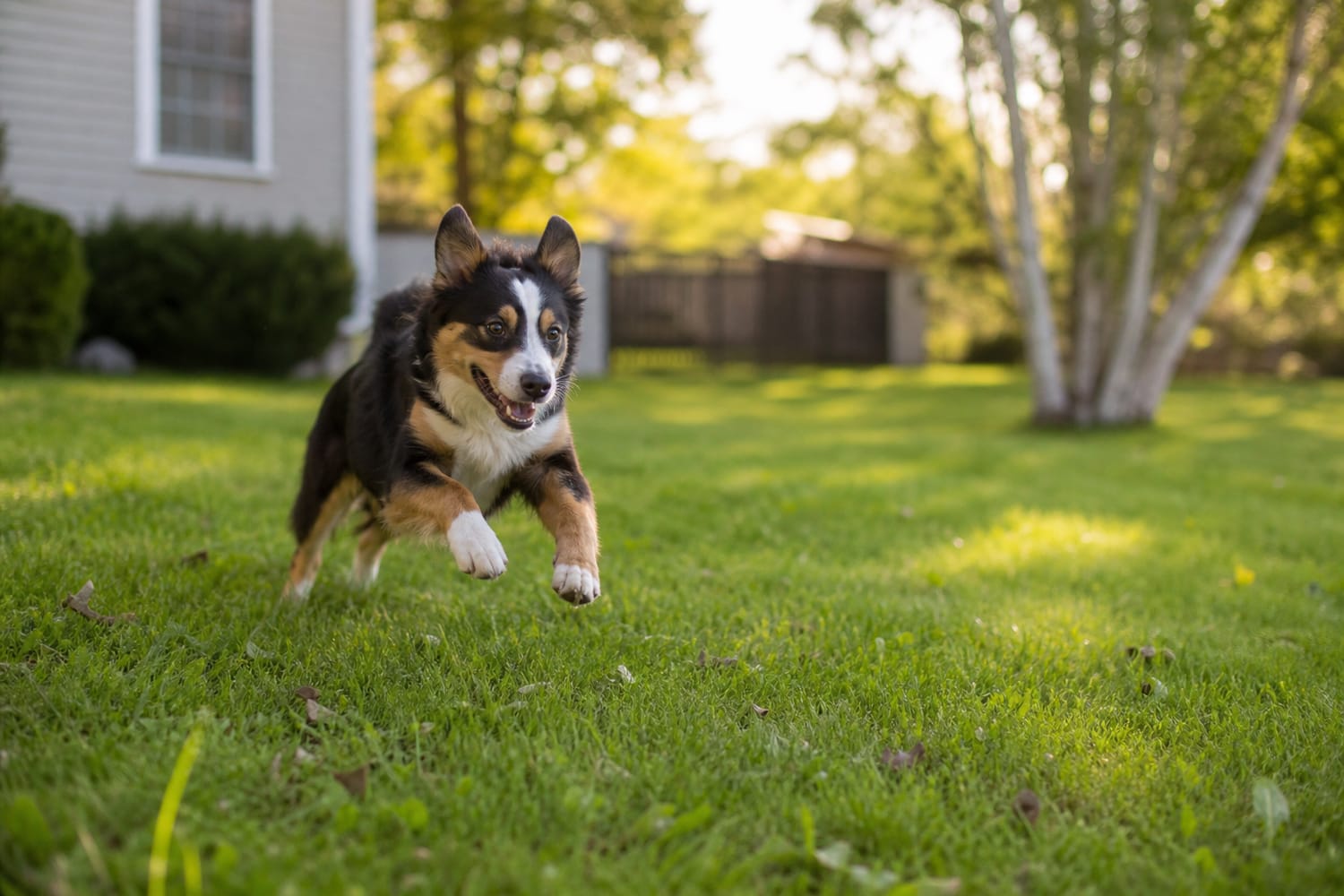
What Are “Zoomies,” Really?
If you’ve ever watched your dog suddenly tuck their tail, lower their shoulders, and rocket around the living room like a furry comet, you’ve witnessed one of the most joyful mysteries of dog life: the zoomies.
The scientific name for zoomies is Frenetic Random Activity Periods, often shortened to FRAPs. That may sound serious, but in most cases, zoomies are completely normal. They are short bursts of high-energy movement where a dog runs, spins, leaps, dodges furniture, or loops around the yard at top speed—often with a big, goofy expression that says, “I have no idea why I’m doing this, but it feels amazing!”
Zoomies are most common in puppies and young dogs, but dogs of any age can experience them. Some dogs zoom every day. Others only do it occasionally, often after specific events like a bath, a nap, or a successful trip outside. While zoomies can look chaotic, they are usually a healthy expression of excitement, relief, playfulness, or built-up energy.
At their heart, zoomies are one of the many ways dogs remind us that joy is meant to move through the body.
The Science Behind Sudden Bursts of Energy
Zoomies are not random in the sense that “nothing causes them.” They are random in the way they look—fast, silly, unpredictable, and delightfully dramatic. Underneath the spinning and sprinting, several biological and emotional factors may be at work.
Dogs are active animals with bodies designed for movement. Even small companion breeds have inherited instincts from ancestors that ran, chased, played, explored, and reacted quickly to their environments. When energy builds up—whether physical, emotional, or social—it sometimes needs an outlet. Zoomies can be that outlet.
A dog’s nervous system also plays a role. Exciting events can trigger the release of hormones and neurotransmitters such as adrenaline, dopamine, and endorphins. These chemicals are linked to arousal, pleasure, motivation, and movement. When a dog feels especially excited, relieved, or overstimulated, that internal energy can spill out into a burst of running.
Think of it like laughter in humans. Sometimes we laugh because something is funny. Sometimes we laugh from nervousness, surprise, relief, or pure happiness. Zoomies work in a similar way: they are a physical expression of a feeling.
Why Puppies Get the Zoomies So Often
Puppies are the undisputed champions of zoomies. One minute they’re chewing a toy, and the next they’re bouncing off the couch cushions like popcorn. This is because puppies are still learning how to manage their energy, emotions, and bodies.
Young dogs often have short bursts of energy followed by deep sleep. Their growing brains are processing new sounds, smells, people, places, training, and social experiences every day. That is a lot for a puppy to absorb. After periods of stimulation, a puppy may suddenly release energy through running and play.
Puppies are also developing coordination. Zoomies help them practice quick turns, balance, speed control, and body awareness. What looks like chaos may actually be part of learning how to be a dog. Running in circles, pouncing, dodging, and spinning are playful ways to explore movement.
That said, frequent puppy zoomies can also be a sign that your puppy is overtired. Much like young children, puppies can become extra wild when they need rest. If your puppy gets zoomies every evening and then becomes mouthy, jumpy, or unable to settle, they may benefit from more structured nap times.
Common Zoomie Triggers
Although zoomies can seem to appear out of nowhere, many dogs have predictable triggers. Once you learn your dog’s patterns, you may be able to guess exactly when the next high-speed celebration is coming.
One common trigger is waking up from a nap. After resting, a dog may have a fresh supply of energy ready to burn. This is especially true for puppies and energetic breeds.
Another classic trigger is bath time. Many dogs sprint around after a bath, rub themselves on rugs, roll on bedding, or race from room to room. This may happen because they feel relieved the bath is over, because they are trying to dry off, or because the sensations of wet fur and towel rubbing are stimulating.
Some dogs get zoomies after pooping. Pet owners often laugh about the “post-poop sprint,” but there may be real reasons behind it. Relief, excitement, scent-marking behavior, or simply feeling lighter and more comfortable may all contribute.
Zoomies may also happen after training sessions, playdates, grooming, vet visits, car rides, or meeting new people. In these moments, zoomies can act like an emotional reset button—a way for the body to shake off intensity and return to balance.
Are Zoomies a Sign of Happiness?
Often, yes. Many zoomies are linked to happiness, play, and excitement. A dog who runs in loose, bouncy circles with a relaxed mouth, wagging tail, and playful body language is likely having a great time.
However, zoomies do not always mean simple happiness. They can also be caused by overstimulation, stress relief, frustration, or nervous energy. For example, a dog may zoom after being restrained, after a stressful bath, or after a tense situation ends. In those cases, the zoomies may still be normal, but they can tell you something about how your dog felt during the event.
The key is to look at the whole dog. Are they loose and playful? Are their movements bouncy rather than stiff? Do they recover quickly afterward? Are they able to rest once the burst is over? If the answer is yes, the zoomies are probably just a healthy release.
If your dog’s zoomies are paired with trembling, hiding, growling, panic, excessive panting, destructive behavior, or an inability to calm down, it may be worth looking more closely at their stress levels and daily routine.
Why Zoomies Often Happen in the Evening
Many pet owners notice that dogs seem to get the zoomies at night. This is sometimes called the “witching hour,” especially with puppies. Evening zoomies can happen for several reasons.
First, your dog may have been waiting all day for interaction. If the household becomes more active in the evening—with people coming home, cooking dinner, talking, and moving around—your dog may respond with excitement.
Second, dogs may have leftover energy. Even if they had a walk earlier, they may still need mental stimulation, play, sniffing time, or training. Physical exercise is important, but dogs also need opportunities to use their brains and noses.
Third, evening zoomies can be related to tiredness. When dogs become overtired, they may have trouble settling. Instead of lying down calmly, they may run, bark, nip, or leap around. A predictable bedtime routine can help signal that the day is winding down.
A good evening rhythm might include a short walk, a calm training game, a food puzzle, a potty break, and then a quiet rest period. Dogs thrive on routines that help their bodies know what comes next.
Are Certain Breeds More Likely to Get Zoomies?
Any dog can get zoomies, from a tiny Chihuahua to a giant Great Dane. However, some dogs may be more likely to zoom based on age, personality, breed traits, and lifestyle.
High-energy breeds such as Border Collies, Australian Shepherds, Jack Russell Terriers, Labrador Retrievers, and Siberian Huskies may have more frequent energy bursts if their activity needs are not fully met. These dogs were often bred for jobs requiring stamina, focus, speed, or quick reactions.
But zoomies are not limited to working breeds. Toy breeds, hounds, bully breeds, doodles, spaniels, and mixed-breed dogs can all be enthusiastic zoomers. Some dogs are naturally expressive and playful, while others are more reserved.
Individual personality matters as much as breed. A calm Labrador may rarely zoom, while a spirited senior Dachshund may still do a victory lap after dinner. The best way to understand your dog is to observe their unique rhythms.
When Zoomies Are Healthy—and When to Pay Attention
Most zoomies are harmless and healthy. They usually last from a few seconds to a few minutes and end with the dog relaxing, drinking water, or flopping down for a nap. Healthy zoomies are playful, brief, and easy for the dog to recover from.
Still, there are times when sudden bursts of movement deserve attention. If your dog starts having intense zoomies far more often than usual, seems unable to stop, crashes into things repeatedly, or appears panicked rather than playful, it may be time to investigate.
You should also contact your veterinarian if the behavior appears suddenly in an older dog, follows a medical issue, or is accompanied by signs such as limping, disorientation, seizures, excessive itching, pain, or unusual vocalizing. Sometimes what looks like wild energy may be discomfort, anxiety, skin irritation, or another health concern.
Zoomies themselves are not a disease. But a sudden change in behavior is always worth noticing. Pet lovers know that our dogs “talk” with their bodies. When their movement changes, they may be telling us something important.
How to Keep Zoomies Safe
Zoomies are fun—until a lamp, slippery floor, or sharp coffee table gets involved. The goal is not to stop your dog from enjoying themselves, but to make sure they can zoom safely.
If your dog tends to zoom indoors, try to create a safer space. Move breakable objects out of the way, block stairs if needed, and provide rugs or mats on slippery floors. Dogs can injure themselves if they lose traction, especially larger breeds or puppies still developing coordination.
Outdoor zoomies are often safer, especially in a fenced yard or enclosed dog-safe area. However, make sure gates are secure and the space is free from hazards such as holes, sharp objects, toxic plants, or unfamiliar dogs.
Avoid chasing your dog during zoomies unless you are clearly playing in a safe area. Chasing can make some dogs more excited and harder to manage. Instead, enjoy the show, use a cheerful voice, and let the burst pass.
If you need to interrupt zoomies, try redirecting rather than scolding. Call your dog happily, toss a toy, ask for a simple cue they know well, or guide them to a calmer activity once their energy drops.
Helping Your Dog Find Healthy Outlets
Zoomies are normal, but dogs still need regular outlets for their energy. A dog who zooms constantly may be asking for more movement, enrichment, or emotional balance.
Daily walks are important, but quality matters. A slow “sniff walk,” where your dog gets to explore scents, can be deeply satisfying. Sniffing gives dogs information about the world and uses mental energy in a natural way.
Play is another powerful outlet. Fetch, tug, hide-and-seek, flirt poles, and gentle chase games can help dogs burn energy while bonding with their people. Training games are also excellent because they combine thinking, movement, and communication.
Food puzzles, lick mats, chew toys, and scent games can help dogs settle. Many dogs relax more easily when their brains have had something meaningful to do.
Most of all, dogs need connection. A loved, understood dog is more likely to feel secure. Zoomies may be silly, but they are also a reminder that dogs are emotional beings with rich inner lives.
Celebrating the Joy of the Zoom
There is something wonderfully honest about a dog with the zoomies. No overthinking. No embarrassment. Just pure motion, bright eyes, and the kind of joy that fills a room.
Understanding the science behind zoomies helps us appreciate them even more. These sudden bursts of energy are not just funny internet moments—they are part of how dogs move through excitement, relief, play, and stimulation. They show us that our pets have feelings that sometimes become too big to sit still.
So the next time your dog launches into a living-room racetrack or performs a backyard victory lap, take a moment to smile. As long as they are safe and healthy, the zoomies are something to celebrate.
After all, dogs have a special talent for turning ordinary moments into tiny festivals. And sometimes, happiness has four paws, a wagging tail, and absolutely no brakes.