
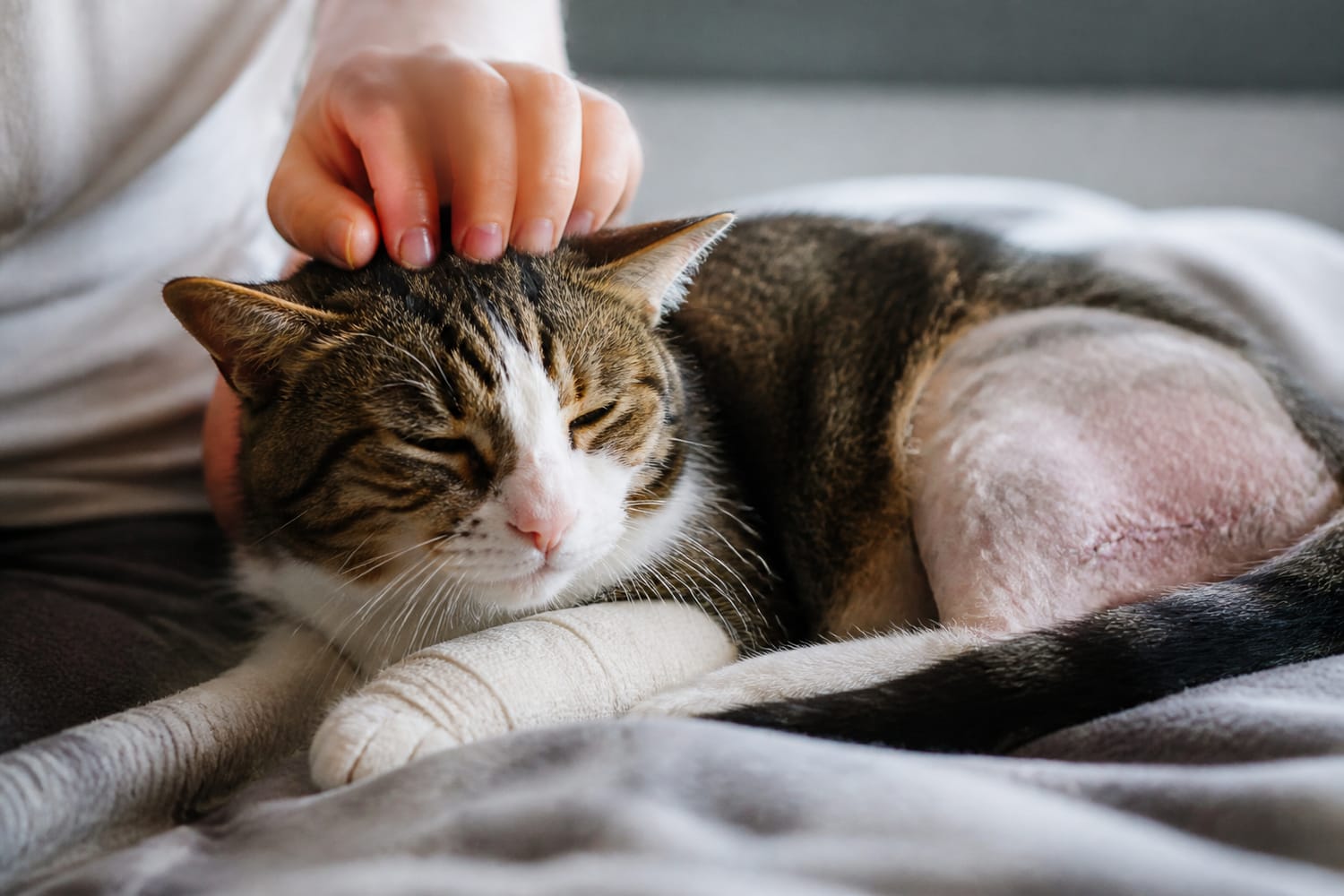
Cats purr when they feel content, but also when seeking food or attention, nursing, feeling stressed, or experiencing pain. The sound alone cannot tell you how a cat feels. To understand a purr, look at the whole picture: body language, surroundings, everyday habits, and changes in health.
Few sounds make a cozy moment feel more complete than a cat’s gentle rumble. It is tempting to translate every purr as “Life is wonderful”—especially when its owner is curled up on your lap.
The real story is more interesting. Purring is a versatile part of feline communication, not a built-in happiness meter. Learning to notice what accompanies it can help us appreciate the comfortable moments and recognize when our companions need support.
How Do Cats Make That Remarkable Sound?
A purr begins in the larynx, or voice box. Domestic cats produce this rhythmic sound during both inhalation and exhalation, making it seem almost continuous. Although the vibration may feel as though it comes from the chest, the sound-producing structures are in the throat.
Scientists are still refining the explanation of exactly how it works. For decades, a leading theory involved rapid, repeated contractions of muscles in the larynx, directed by signals from the nervous system.
A 2023 study added a fascinating twist. Researchers found that eight larynges examined outside the body could produce purr-frequency sounds without repeated muscle contractions or neural input. Specialized pads of connective tissue within the vocal folds appear to help make those unusually low sounds possible. The findings do not settle every question about purring in living cats, but they show that the mechanism is more complex than once assumed.
Even a familiar household sound can hold a scientific mystery.
The Many Meanings Behind a Purr
Comfort, Contentment, and Friendly Company
Sometimes the obvious explanation is the right one: your cat is enjoying the moment.
Cats often purr during positive interactions with people or other cats. A cat resting comfortably beside you, with loose muscles and soft eyes, may well be expressing contentment. Purring can also accompany friendly greetings and requests for attention.
Think of a cat choosing to approach, rubbing against your hand, and settling nearby. The purr matters—but the relaxed posture and voluntary closeness help explain it.
A Connection Between Mothers and Kittens
Purring starts remarkably early. Kittens can begin when they are only a few days old, and both kittens and mother cats purr during nursing. This early communication is thought to help maintain contact and strengthen the mother–kitten bond.
Adult cats may also combine purring with kneading—the alternating paw presses sometimes called “making biscuits.” That combination may reflect a behavior pattern carried forward from nursing in kittenhood.
A Persuasive Request for Breakfast
If your cat has a particularly effective morning purr, science offers a possible explanation.
University of Sussex researchers identified a “solicitation purr” containing a higher-frequency, cry-like element within the lower rumble. That acoustic ingredient made the sound seem more urgent to human listeners. Their research on cat–human communication helps explain why some purrs are especially difficult to ignore.
This does not mean every purring cat wants a snack. It means purring can be a request as well as a response to something enjoyable.
Stress, Discomfort, or Pain
Here is the important exception: cats may purr when anxious, injured, or unwell. A cat purring during a veterinary examination is not necessarily enjoying the appointment. Purring in stressful situations may serve as a coping or self-soothing behavior, although its exact function is not fully understood.
Veterinarians also encounter purring cats with serious injuries. Purring does not rule out pain, and it should never outweigh other signs that something is wrong.
That is not a reason to worry about every rumble. It is a reason to listen with your eyes, too.
How to Tell Whether Your Cat’s Purr Means Comfort
The most useful question is not “What does this purr sound like?” but “What else is my cat telling me?”
The RSPCA’s guide to cat body language emphasizes posture, facial expression, and behavior together. Look for clusters of clues rather than treating any single signal as a complete answer.
Signs that fit a comfortable, contented cat include:
- A loose, relaxed body.
- Soft eyes rather than a fixed, wide-eyed stare.
- Choosing to approach or remain close.
- Slow blinking.
- Purring alongside otherwise relaxed behavior.
Signs that call for more caution include:
- A tense, crouched posture.
- Ears flattened or turned sideways.
- A tail held tightly against the body.
- Hiding or withdrawing.
- Changes in appetite, movement, grooming, or litter-box habits.
Context helps distinguish two seemingly similar moments. A purring cat stretched comfortably across a familiar bed presents a different picture from one crouching behind furniture and avoiding dinner. Our guide to signs your pet may be in pain explores additional changes worth noticing.
Does Purring Really Have Healing Powers?
You may have heard that cats purr to heal broken bones or repair damaged tissue. It is an appealing idea—but it should not be presented as established fact.
The hypothesis partly comes from overlaps between frequencies found in purring and frequencies investigated in vibration therapies. Similar frequencies, however, do not demonstrate the same effects. Researchers discussing the question on Science Friday explain why proving a healing benefit would require direct evidence, not simply a frequency comparison.
The responsible takeaway is simple: purring may be comforting, but claims that it repairs injuries in cats or people remain unproven. A purr is not a substitute for medical or veterinary treatment.
There is still plenty to treasure in the sound without giving it superpowers.
How to Respond to a Purring Cat
When your cat appears relaxed and seeks contact, let the interaction remain a choice. Offer gentle attention, then pause rather than assuming that purring grants unlimited permission for petting. Research-supported handling guidelines recommend giving cats control over whether contact begins and continues.
If your cat turns away, stiffens, rotates their ears backward, or starts vigorously swishing their tail, stop and give them space. Those signals matter even if purring is part of the interaction.
Children can learn this gentle approach, too: invite contact, notice the response, and allow the cat to leave. Petspiration’s guide to raising pets with kids offers more ideas for building respectful relationships.
If your cat seems worried, avoid pulling them from a safe hiding place for reassurance. Quiet space and the freedom to retreat can be more helpful than extra handling.
When a Purr Should Prompt a Veterinary Call
Contact your veterinarian when unusual purring accompanies reduced appetite, limping, withdrawal, altered grooming, or other changes from your cat’s normal behavior. A short video and notes about when the changes began can help you describe what you are seeing.
Some signs require immediate care, regardless of whether your cat is purring. Difficulty breathing, collapse, major trauma, or difficulty passing urine are emergencies. Cornell’s emergency veterinary guidance lists these among conditions needing urgent attention. Do not let a reassuring sound delay getting help.
A Better Way to Listen
Understanding purring does not take away its magic. It gives us a more thoughtful way to respond.
Enjoy the warm, peaceful rumble of a comfortable companion. When other signals suggest worry or discomfort, take those seriously, too.
The goal is not to decode every vibration perfectly. It is to notice the whole cat—and offer the affection, space, or care they need.