
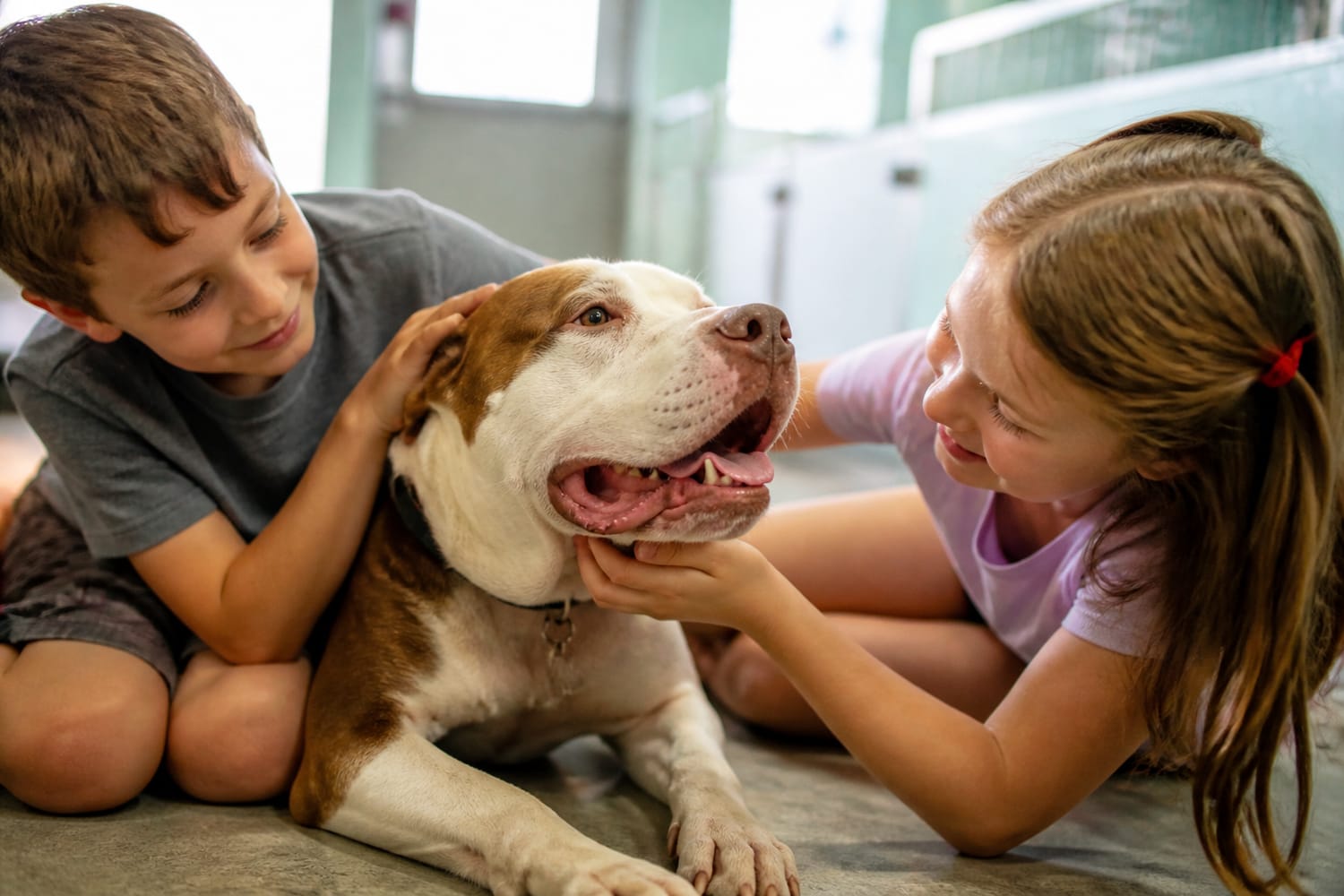
Read pet adoption profiles as conversation starters, not guarantees. Ask what each phrase means for that individual animal, who observed the behavior, and under what circumstances. “Good with kids” needs context; “needs space” deserves clarification. The goal is to match a pet’s needs with the home you can realistically offer.
It starts with a photograph: soulful eyes, magnificent whiskers, perhaps an ear that refuses to stand upright. Then comes the description—and suddenly you’re wondering whether “spirited” means playful or whether “prefers a quiet home” fits your household.
You don’t need to become a detective. You need thoughtful questions, honest expectations, and permission to fall in love without rushing the decision.
Treat the Profile as an Introduction, Not the Whole Story
A short biography cannot capture everything about an animal. For dogs, the ASPCA recommends gathering information from multiple sources, including previous caregivers, shelter observations, and foster stays. It also cautions that behavior assessments cannot reliably predict every dog’s behavior after adoption.
The useful question is therefore not simply, “Is this description accurate?” It’s, “What information is behind this description?”
Compare these imaginary examples:
- “Friendly with children.”
- “Lived with children ages nine and twelve; enjoyed playing fetch and resting nearby.”
The second gives you something concrete to discuss. Neither promises how the pet will respond in every situation.
The ASPCA’s explanation of shelter dog behavior assessments offers a helpful guiding principle: each observation is one piece of a larger puzzle.
What Does “Good With Kids” Actually Mean?
Ask About Ages, Experience, and Everyday Life
Start with: “Has this pet lived with children, or only met them briefly?” Then ask about the children’s ages, the activities involved, and whether the animal could move away freely.
A toddler-filled home and a household with teenagers present different demands. Cats Protection specifically recommends considering a child’s age, family lifestyle, and the individual cat’s needs when choosing a companion.
Useful follow-up questions include:
- Did the pet approach the children voluntarily?
- What happened during noisy play or sudden movement?
- Were there any concerns around food, toys, handling, or rest?
- What supervision and household arrangements worked well?
These questions seek context—not proof that an animal will tolerate anything.
“Good With Kids” Never Means “Supervision Optional”
Even a friendly family pet needs boundaries. The San Francisco SPCA emphasizes adult supervision, secure resting areas, and leaving dogs undisturbed while eating or sleeping. Its guide to kids and dogs is a useful starting point for setting family rules.
For cats, supervise interactions, let the cat approach, and provide an escape route. Children should never chase a retreating cat or pull one from a hiding place.
For more family-focused preparation, explore Petspiration’s guide to raising pets with kids.
“Needs Space” Is a Question, Not a Verdict
Before assuming this means a large backyard, ask: “What kind of space?”
Does the organization mean physical room, distance from other animals, uninterrupted rest, or less handling? Ask what staff actually see and what helps the pet feel comfortable.
For a shy cat, useful support can include hiding places, predictable routines, calm interactions, and time to build trust. That does not mean every shy cat has the same needs—or that patience guarantees a particular personality.
For dogs, a protected place to eat and rest is important, especially in homes with children. Ask whether the recommendation concerns ordinary downtime or a specific behavior requiring ongoing management.
“Needs space” should lead to a practical conversation: Where would that space be in our home, and can everyone respect it?
Translate Other Profile Phrases Into Useful Questions
There is no need to assign a secret meaning to every cheerful adjective. Instead, use the wording to guide your conversation.
“High Energy” or “Would Love an Active Family”
Ask for a description of an ordinary day: walks, play, training, rest, and time alone. What activities does the pet enjoy? Can they settle afterward?
Then compare that routine with your ordinary Tuesday—not your most adventurous vacation. Petspiration’s guide to choosing the right pet for your lifestyle can help frame that self-check.
“Dog-Friendly,” “Cat-Friendly,” or “Untested”
Ask whether the animal has lived with another pet, participated in supervised interactions, or simply passed one at a distance. For dogs, observations from walks, playgroups, and foster homes provide different kinds of information.
Treat “untested” as an unanswered question—not an invitation to arrange your own experiment. Ask the organization how it recommends assessing compatibility safely.
“Older Children Only” or “Adult-Only Home”
Ask whether this is a placement requirement or a recommendation, and request the reasons behind it. Is there a known incident, discomfort with handling, or limited information?
If it is a firm requirement, don’t build your adoption plan around an exception. Choose a match the organization can support.
“Experienced Adopter Needed”
Replace “How experienced?” with “What would I need to do each day?”
Ask about specific skills, household arrangements, professional support, and likely expenses. If the answer remains vague, request a written explanation before committing.
Ask About Concerns Plainly and Kindly
You can be enthusiastic about a pet and still ask direct questions.
Consider bringing this checklist:
- What history is known? Ask about previous homes, foster stays, and any earlier adoptions.
- What concerns have been reported? Request details about bites, scratches, snapping, guarding, escape attempts, or distress when alone.
- What happened in those situations? Ask about circumstances, frequency, injuries, and what helped.
- What care is ongoing? Request veterinary records and information about medication, diet, or treatment.
- What support follows adoption? Ask whom to contact, what help is available, and what the return process involves.
Questions about history, medical records, household compatibility, ongoing care, and return arrangements are all part of informed adoption preparation.
Distinguish “we haven’t observed that” from “we know it has never happened.” You’re looking for transparent information, including clearly acknowledged unknowns—not a promise of perfection.
Before signing, review Petspiration’s guide to understanding pet adoption contracts and discuss anything unclear with the organization.
Make the Meet-and-Greet a Conversation, Not an Exam
Ask staff to guide an appropriate meeting. Tell them who lives in your home, including children and resident animals, and explain any concerns before introductions begin.
Don’t try to prove friendliness by hugging, restraining, disturbing sleep, or taking food away. Respecting a dog’s boundaries around rest and meals is a basic safety practice, not a missed testing opportunity.
For cats, let the animal choose whether to approach. Sitting quietly and allowing distance can be more appropriate than reaching in for a cuddle. Cats Protection’s guidance on cats and children explains how gradual, choice-based introductions support safer interactions.
Afterward, ask: “Was that typical for this pet?” A meeting adds information; it does not replace the rest of the animal’s history.
Choose the Pet You Can Support Today
The most useful adoption profile is not necessarily the one with the most glowing adjectives. Look for specific examples, clearly stated needs, and an organization willing to discuss both strengths and concerns.
Then ask yourself a gentle but important question: “Would this still be a good match if this pet needs the support described for the long term?”
You don’t have to promise that you can handle everything. You do need to be honest about what you can offer.
Reading between the lines is not about finding a flawless animal. It is about understanding an individual—and making room for a friendship built on respect, realistic expectations, and love.