
Why Dogs Eat Poop: What Their Diet Can—and Can’t—Tell You
The Short Answer: It’s Not Always About the Food
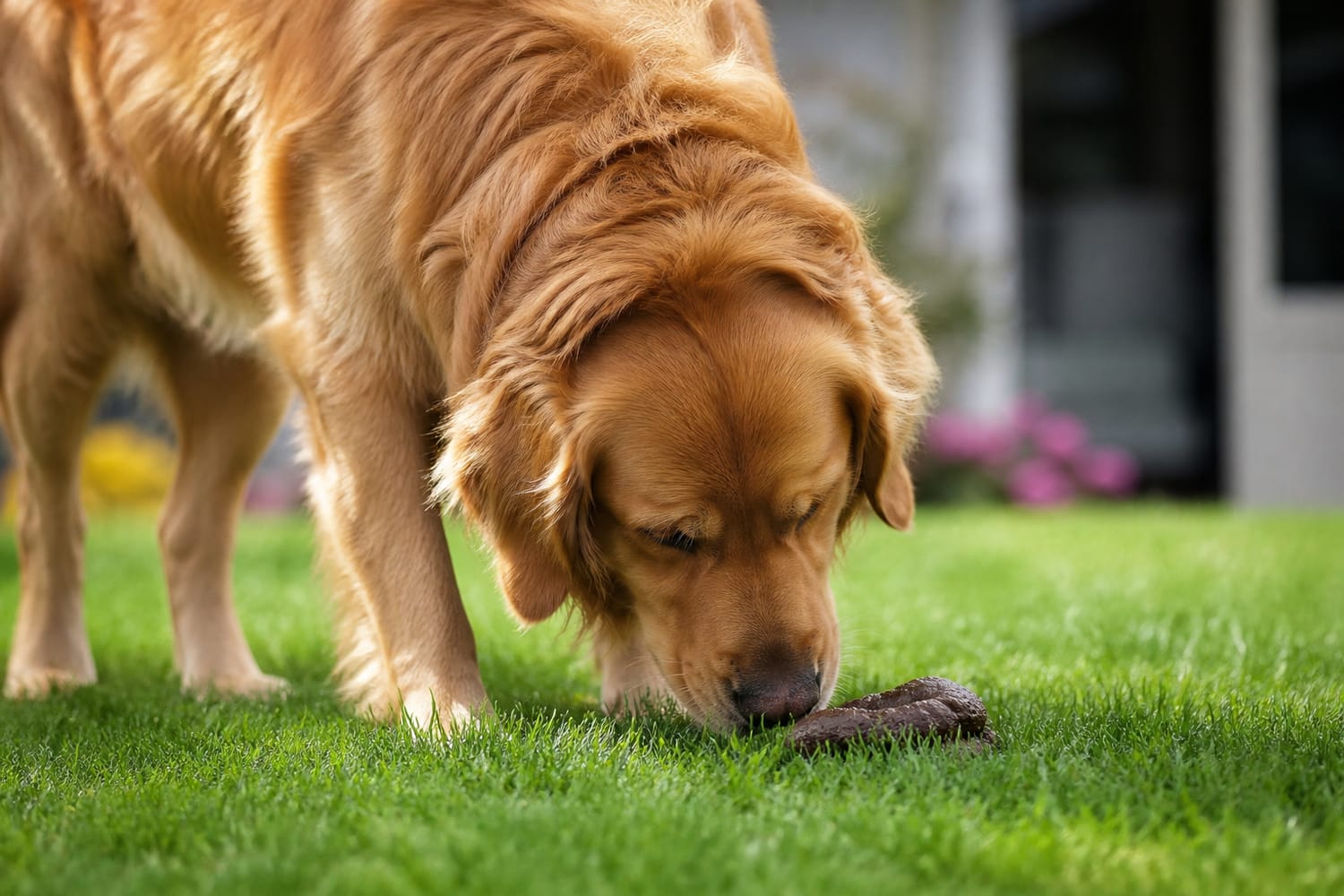
If your dog has ever treated a pile of poop like a snack, you’re not alone—and you haven’t necessarily chosen the wrong food. Stool eating, called coprophagia, can be an exploratory habit, a scavenging behavior, or sometimes a clue that a dog is hungry or unwell. Diet matters, but it can’t explain every case.
The good news? You don’t need to solve the mystery from one unpleasant moment. By looking at your dog’s meals, health, and daily routine together, you can decide what deserves a call to the veterinarian and what you can gently change at home.
Why Poop Appeals to Some Dogs
Dogs experience the world nose-first. What makes us hurry past a patch of grass may invite them to stop, sniff, and investigate. Puppies in particular explore with their mouths, while mother dogs normally clean up after their young. Some dogs are drawn to the stool of other animals, including cats, as part of their broader tendency to scavenge.
An occasional attempt doesn’t prove your dog has a vitamin deficiency. In a 2018 survey-based study of dogs eating other dogs’ stool, researchers found no evidence linking the behavior to diet in the dogs they sampled. They also found that dogs reported to eat stool were more likely to be described as greedy eaters. That doesn’t rule out a nutritional or medical problem in an individual dog; it does show why “they must be missing something” is too simple an answer.
What Your Dog’s Diet Can Tell You
Food is a sensible place to start, especially if stool eating is new or frequent. Ask three questions: Is the diet appropriate? Is the amount appropriate? Is your dog digesting it well?
First, check the nutritional adequacy statement on the package. A food labeled “complete and balanced” for your dog’s life stage is intended to provide the nutrients needed when fed as a main diet. A growing puppy, for example, has different nutritional needs from an adult dog. The FDA’s guide to complete-and-balanced pet food explains what that label statement means; Petspiration’s guide to reading pet food labels can help you find your way around the rest of the bag.
Next, consider the portion. Feeding directions are a starting point, not a personalized prescription. A dog’s needs depend on factors such as age, activity, and body condition. If your dog seems constantly hungry, don’t simply keep adding food—or assume they’re being greedy. Ask your veterinarian whether the amount and feeding plan fit your dog. Petspiration’s pet portion guide offers a helpful starting point for that conversation.
Finally, pay attention to what comes out as well as what goes in. Ongoing loose stool, unusually soft stool, or visible undigested food may give your veterinarian a reason to investigate digestion. Underfeeding, poorly balanced diets, parasites, and conditions that interfere with nutrient absorption can sometimes contribute to stool eating. But poop eating alone cannot diagnose any of them.
What Diet Can’t Tell You
Even a thoughtful review of the food bowl won’t explain every backyard decision. A puppy may investigate stool while learning about the world. Another dog may return to a spot where the opportunity is always available. A dog who eats well may still be tempted by cat poop or by another dog’s fresh stool.
Nor can the ingredient list tell you whether a new habit reflects illness. Medical problems that affect appetite or digestion, and some medications, may play a part. That’s why an abrupt change in an adult dog deserves more attention than a long-standing, otherwise uncomplicated puppy habit. If your dog is also losing weight, vomiting, having diarrhea, or showing a marked change in appetite, contact your veterinarian rather than trying to fix the problem with a new kibble.
It’s tempting to reach for a quick fix: a supplement, a special additive, or a food said to make stool less appealing. Be cautious with promises of a cure. In the 2018 survey, owners reported little success with the commercial products and behavior-change approaches examined. If you suspect a digestive problem, ask your veterinarian before adding enzymes or supplements; the right response depends on the cause.
When to Ask Your Veterinarian for Help
You don’t have to wait until the habit feels overwhelming. Make an appointment if your dog suddenly starts eating stool, does it repeatedly, or seems hungry despite eating their usual meals. Mention changes in weight, energy, thirst, appetite, and stool consistency, along with any medications your dog takes.
Your veterinarian can review the diet and feeding amount, examine your dog, and decide whether testing—often including a fecal check for parasites—is appropriate. If another household pet’s stool is the main attraction, mention that too; the other pet’s health may be relevant. A professional assessment gives you something much more valuable than a guess about a missing nutrient: a plan tailored to your dog.
A Kinder, More Practical Way to Break the Habit
While you work out the “why,” focus on reducing opportunities. Pick up stool promptly, including in your own yard, and keep the litter box somewhere your dog cannot reach. On walks, a leash helps you guide your dog past tempting finds. Prompt cleanup also matters for hygiene: dog poop can carry germs that make animals and people sick, so wash your hands after handling waste.
Then give your dog a better next step. After they finish a potty break, cheerfully call them over, reward them for coming, and clean up while they’re occupied. Practice a “leave it” cue away from poop first, where learning is easier, before using it on walks. Petspiration’s guide to teaching a reliable “leave it” cue can help you build that skill.
Try not to scold, chase, or rub your dog’s nose in a mess. Punishment doesn’t address a possible medical cause, and it may make the experience frightening. Calm supervision, quick cleanup, rewarding alternatives, and activities that keep your dog engaged are more constructive places to put your energy. Progress may take patience; that doesn’t mean you’re doing it wrong.
Look at the Whole Dog, Not Just the Bowl
Finding your dog eating poop is nobody’s favorite pet-parent moment. Still, it can be an invitation to notice useful things: Is their food suited to their life stage? Are they getting an appropriate amount? Have their stools or appetite changed? Or do they simply need fewer chances to practice an unwanted habit?
Start with curiosity, not blame. A sound diet, a veterinary check when something seems off, and a kind, consistent routine can all help you protect your dog’s health—and make the next potty break a little more pleasant for both of you.