
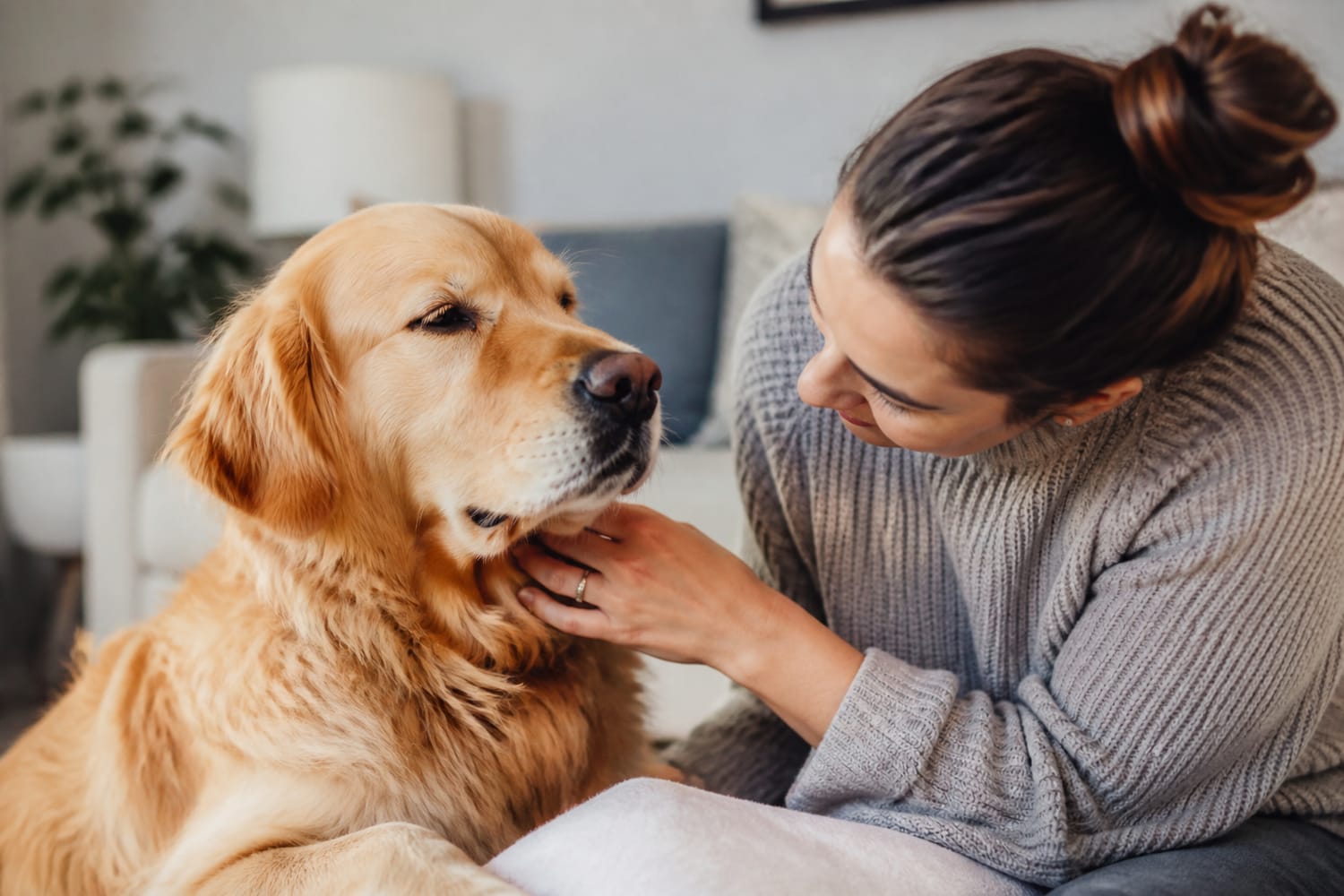
The “How to Love Me” Card: A One-Page Guide to Your Pet’s Favorites, Boundaries, and Quirks
A Little Card With a Lot of Heart
A “How to Love Me” card is a one-page guide to the individual behind the paws, feathers, scales, or whiskers. It records what helps your pet feel happy, safe, understood, and respected—from favorite games and comfortable touch to fears, routines, warning signals, and wonderfully peculiar habits.
Every pet has an unwritten instruction manual. Your dog may adore chest scratches but duck away from pats on the head. Your cat might want company without wanting to be held. A rabbit may enjoy gentle interaction at floor level, while a bird might need a few quiet minutes before welcoming attention.
Families learn these details gradually, but visitors, pet sitters, children, groomers, and new caregivers do not automatically know them. A simple card turns your knowledge into clear, compassionate guidance.
It is not a replacement for feeding instructions, medication records, veterinary details, or an emergency plan. Instead, it complements those essentials by answering a more personal question: What does love look like to this particular animal?
Why Your Pet Deserves a Personal Guide
We often express affection in the ways that feel loving to us. We hug, pick up, pat, kiss, or enthusiastically introduce a pet to new people. Yet animals have their own preferences, and even friendly pets may find certain interactions uncomfortable.
Respecting those preferences is not about spoiling a pet. It is about noticing their communication and responding appropriately. Understanding body language is particularly important because an animal may show discomfort through subtle changes before resorting to more obvious signals.
A worried dog, for example, might look away, lick their lips, lower their body, flatten their ears, freeze, or attempt to leave. The ASPCA’s dog bite prevention guidance emphasizes respecting signs of anxiety, fear, and discomfort rather than assuming that a wagging tail always means an interaction is welcome.
Cats communicate through their posture, face, ears, tail, pupils, and whiskers. Some enjoy extended petting, while others become uncomfortable with repetitive touch. The ASPCA’s overview of feline body language and petting-related aggression explains why stopping when a cat asks us to stop is the safest and kindest response.
What to Put on a “How to Love Me” Card
Keep the card warm, practical, and short enough to scan in seconds. Write it in your pet’s “voice” if you want it to feel especially personal: “I love…” and “Please don’t…” can be more memorable than formal instructions.
1. My Quick Introduction
Begin with basic information that helps people recognize and approach your pet appropriately:
- Name and favorite nicknames
- Species, age, and pronouns
- A recent photograph
- A short personality description
- Accessibility, mobility, hearing, or vision needs
- Whether introductions should be slow or supervised
A description might read: “I’m Poppy, a cautious senior cat. I usually watch new people from the hallway before coming closer.”
Avoid labels such as “bad,” “stubborn,” or “mean.” Describe observable behavior instead. “I may bark when someone enters, but I settle more easily when they ignore me and toss a treat” gives a caregiver useful information without blaming the pet.
2. My Favorite Things
This is the joyful center of the card. Record the experiences that reliably make your companion brighten, relax, investigate, or return for more.
Consider including:
- Favorite toys or games
- Preferred treats, if permitted
- Best resting or hiding places
- Favorite walking routes or exploration areas
- Enjoyable sounds, words, or activities
- Trusted people or animal friends
- Preferred ways to receive affection
Be specific. “Likes toys” is less helpful than “Loves chasing the blue fleece tug toy but does not enjoy having it pulled from his mouth.” For ideas, Petspiration’s guide to planning activities around your pet’s individual personality can help you identify whether your companion prefers exploring, problem-solving, social play, energetic movement, or cozy togetherness.
3. How I Like to Be Touched
Mark your pet’s usual “yes,” “maybe,” and “no” areas. These will differ between individuals and may change with age, health, mood, and surroundings.
For example:
- Usually yes: Chest scratches and gentle strokes along my shoulders
- Ask first: Brushing, lap time, or touching my paws
- Please avoid: Hugs, tail touching, and being picked up
Whenever possible, let the pet initiate or continue the interaction. Pause after a few seconds of petting. If they lean closer, nudge your hand, or remain relaxed, they may want more. If they turn away, stiffen, retreat, pin their ears, swish their tail, or hide, give them space.
This choice-based approach is explored further in 15 simple ways to give your pet more control.
4. My Boundaries
Boundaries are not flaws. They are information that can prevent fear, conflict, and accidents.
Your pet’s card might say:
- Please do not disturb me while I am sleeping or eating.
- I need distance from unfamiliar dogs.
- I am frightened by vacuum cleaners and thunderstorms.
- Do not reach into my hiding place.
- I prefer not to meet groups of people.
- Please close the gate before opening the front door.
- Children must interact with me under adult supervision.
- I should not be handled unless my owner has explained how.
For small animals, birds, reptiles, and fish, boundaries may include limits on handling, noise, enclosure access, lighting, temperature changes, or interaction with other household animals. Always follow species-appropriate care guidance and any veterinary instructions.
Learn the Difference Between a Quirk and a Warning
Quirks make pets unforgettable. Perhaps your dog refuses to walk past a particular mailbox. Your cat carries socks upstairs at night. Your rabbit rearranges the blankets immediately after you straighten them. Your parrot dances when the dishwasher starts.
Include these details when they help someone understand what is normal for your pet. A sitter who knows that a cat regularly sleeps inside an open closet is less likely to panic when the cat disappears at midday.
However, do not dismiss sudden behavioral changes as new quirks. Unexpected aggression, withdrawal, confusion, sensitivity to touch, appetite changes, restlessness, or reluctance to move can be associated with pain or illness. If your pet’s personality or behavior changes suddenly, contact a veterinarian rather than simply adding the new behavior to the card.
How to Discover What Belongs on the Card
You do not have to complete the card from memory. Spend several days observing your pet without testing or pressuring them.
Ask yourself:
- What does my pet approach voluntarily?
- Which activities do they request again?
- Where do they go when they want peace?
- What happens immediately before they move away?
- Which situations produce a loose, comfortable posture?
- How do they ask for food, play, attention, or rest?
- What helps them recover after something startling?
Offer safe choices where appropriate. Present two familiar toys and notice which one your pet selects. Sit in two different places and see whether they join you. During affection, pause and allow them to decide whether the interaction continues.
Pets’ preferences are allowed to change. A young animal may enjoy energetic play that becomes uncomfortable later in life. A newly adopted pet may reveal more of their personality as they become secure. Reviewing the card every few months helps keep it honest and useful.
Turn Your Notes Into a Friendly One-Page Template
A finished card might look like this:
Hi, I’m Milo!
I’m a cheerful dog who gets excited when people arrive. Please stand sideways and let me approach instead of leaning over me.I love: Sniffing walks, my green ball, cheese-sized training treats, and shoulder scratches.
Please avoid: Hugs, touching my feet, crowded dog parks, and taking toys directly from my mouth.
When I need space: I turn my head away, close my mouth, stiffen, or walk to my bed. Please let me rest there.
My funny quirk: I carry one slipper into the living room after dinner, but I usually do not chew it.
The fastest way to my heart: Sit quietly, toss my ball, and give me time to become your friend.
Use large text, short sentences, and clear headings. Add simple symbols or color blocks if they improve readability, but do not rely on color alone to communicate safety information.
For pet sitters, prepare a separate care and emergency sheet. The American Animal Hospital Association recommends including routines, medical needs, behavioral triggers, veterinary contacts, emergency clinic information, and a local backup contact in detailed pet sitter instructions.
A Beautiful Reminder to Love the Pet You Have
The “How to Love Me” card is practical, but its greatest gift may be the attention required to create it. It asks us to slow down, observe, and recognize that our pets are individuals—not decorations, toys, stereotypes, or copies of animals we have known before.
Your companion does not need to love every visitor, game, touch, or adventure. They simply need people who listen when they communicate.
When we honor a pet’s favorites, respect their boundaries, laugh affectionately at their quirks, and remain alert to changing needs, we offer something deeper than affection. We offer understanding—and being understood is one of the most meaningful forms of love.