
Start With the Pet in Front of You
The best activities for your pet are the ones that match their natural behaviors, energy level, confidence and individual preferences. Instead of assuming every dog loves fetch or every cat loves chasing feathers, observe what makes your companion curious, relaxed and eager to participate—then build playtime around those clues.
Pets have wonderfully distinct personalities. One may turn a cardboard box into an afternoon adventure, while another would rather snooze beside you. Even animals of the same species, breed or age can have very different ideas about fun.
Personality labels can help you generate activity ideas, but they should never become rigid boxes. Preferences may change with age, health, experience, environment and even the time of day. The real goal is not to “diagnose” your pet’s personality—it is to become a thoughtful observer of what brings them joy.
Look for Their Fun Signals
Your pet cannot hand you a wish list, but their behavior offers plenty of information. Watch what they voluntarily approach, how long they remain engaged and what they do when given a choice.
Signs that an activity may be enjoyable include:
- Approaching the toy, person or activity willingly
- Returning after a brief pause
- Displaying loose, comfortable body language
- Investigating with interest rather than freezing or retreating
- Initiating the game again
- Settling calmly after the activity
Disinterest is useful information, too. Walking away, hiding, becoming unusually still, repeatedly trying to escape or refusing a normally valued reward may mean the activity is too difficult, intense or simply unappealing.
Remember that excitement and enjoyment are not always the same. A pet can become highly stimulated without having a positive experience. Provide regular breaks and make sure your companion can move away whenever they choose.
Meet the Five Fun Personality Types
Most pets will fit more than one of these playful profiles. Use them as inspiration, mix the activities together and follow your pet’s response.
1. The Curious Explorer
Explorers want to investigate. They sniff new objects, inspect open cabinets, watch activity from windows or eagerly examine unfamiliar spaces.
Great activities include:
- Slow “sniffari” walks for dogs
- Supervised exploration of a pet-safe room
- Tunnels, boxes and paper bags without handles
- Treat or toy treasure hunts
- New climbing routes for cats
- Safe textures and objects introduced one at a time
- Foraging opportunities for birds and small animals
Exploration does not require constant novelty. Frequently rearranging an entire environment can unsettle some pets, especially prey animals. Keep important resources predictable while adding small, optional discoveries.
A thoughtfully arranged home can make everyday exploration safer. Pet parents can find more ideas in Petspiration’s guide to designing a pet-friendly home without sacrificing style.
2. The Clever Problem-Solver
Does your pet study latches, learn routines quickly or work persistently to reach a treat? You may have a thinker on your hands.
Try:
- Beginner food puzzles
- Hide-and-seek games
- Reward-based trick training
- Cup games using hidden treats
- Target training
- Simple obstacle courses
- Toys that require pushing, rolling or opening
Start with an easy challenge so your pet learns that interacting with the activity is rewarding. If they become frustrated, simplify it immediately. A puzzle is enriching only when the animal can understand and enjoy it—not when it becomes an impossible assignment.
Rewards can include food, affection, toys or access to a favorite activity. For a helpful introduction, explore the magic of positive reinforcement.
3. The Energetic Athlete
Athletic pets love movement, but “more exercise” is not automatically better. The right type and intensity depend on the animal’s species, age, physical condition and veterinary needs.
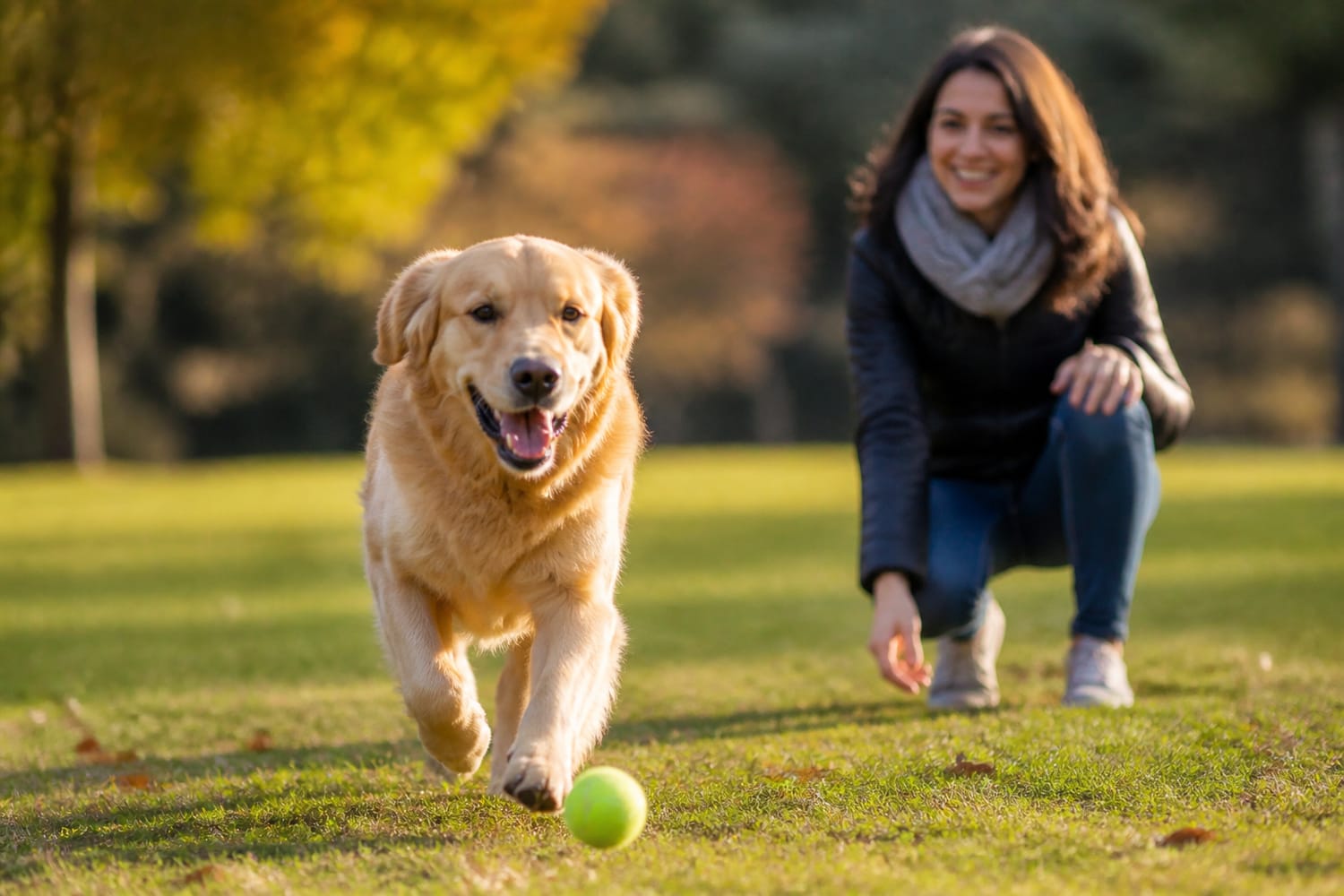
An active dog may enjoy fetch, tug, hiking or a carefully designed obstacle course. A lively cat might prefer short wand-toy sessions that imitate stalking, chasing and pouncing. Rabbits need enough secure space to run, hop, dig and stand upright, while birds may enjoy climbing, flying where safely possible and moving between suitable perches.
The American Animal Hospital Association’s enrichment guidance recommends combining physical activities with cognitive, sensory, food-based and social enrichment rather than relying on movement alone.
Avoid encouraging young, elderly or physically vulnerable animals to make repeated sharp turns, hard landings or high jumps. If your pet has mobility problems, breathing difficulties or a medical condition, ask your veterinarian which activities are appropriate.
4. The Social Butterfly
Some pets light up when their favorite people appear. They may bring toys, request attention, follow family members or enjoy learning as a team.
Social activities could include:
- Cooperative training
- Gentle grooming, if the pet enjoys it
- Tug, fetch or toy exchanges
- Quiet reading time together
- Supervised play with compatible animals
- Family treasure hunts
- Learning cues through positive reinforcement
Being sociable does not mean enjoying everyone. A dog may adore familiar people but dislike crowded parks. A cat may want to sit nearby without being held. A rabbit may enjoy calm floor-level interaction while resisting being picked up.
Let your pet choose the distance and style of interaction. Respectful companionship often builds more trust than constant touching.
5. The Cozy Companion
Not every happy pet wants a packed activity calendar. Cozy companions prefer gentle stimulation, predictable routines and peaceful togetherness.
Try a relaxed scent game, a slow walk, soft brushing, easy training, calm bird-watching from a secure window or a comfortable resting area near family activity. Older pets may particularly appreciate low-impact options, although age alone does not determine personality.
Rest is not laziness. Animals need opportunities to sleep and withdraw without interruption. A cozy pet may enjoy a short five-minute activity far more than a long, energetic outing.
Match Activities to Natural Behavior
Personality matters, but species-specific needs matter just as much. Good enrichment gives animals safe opportunities to express behaviors that come naturally to them.
Dogs often enjoy sniffing, chewing, searching, digging and working with people. Cats commonly benefit from hiding places, vertical territory, scratching surfaces and play that resembles a hunting sequence. The ASPCA’s at-home enrichment suggestions emphasize providing safe outlets for innate behaviors, including sniffing and chewing for dogs.
Rabbits may enjoy tunnels, digging boxes, chewable materials and food hidden among hay. Their play areas must still leave plenty of open space for running, jumping and standing upright. Birds often benefit from foraging tasks, shreddable materials, training and opportunities to climb or move safely between perches.
For cats who seem especially interested in learning, Petspiration’s guide to training your cat in a fun, positive way offers activities that can turn curiosity into quality time.
Run a Simple Preference Test
If you are unsure what your pet loves, let them vote with their paws, beak or nose.
- Choose three safe options. Offer activities from different categories, such as a food puzzle, a movement game and an exploration activity.
- Present them separately. This prevents the most noticeable item from overwhelming the others.
- Keep each session brief. End before your pet becomes tired or frustrated.
- Record the response. Note whether your pet approached, participated, returned or relaxed afterward.
- Repeat on another day. One session may be influenced by hunger, fatigue, noise or mood.
- Adjust the difficulty. Make successful activities slightly more challenging while simplifying ignored ones.
- Retire poor matches. You do not need to convince your pet to love an activity just because it is popular.
Create a “joy list” of the activities your pet repeatedly chooses. This becomes especially helpful when you need indoor entertainment, a quiet activity during recovery or a quick way to brighten a busy day.
Build a Balanced Pet Activity Plan
A fulfilling routine does not need to be complicated or expensive. Aim for a mix of movement, thinking, sensory exploration, social connection and rest.
A simple daily checklist might include:
- One opportunity to explore or forage
- One suitable physical activity
- One brief thinking or training game
- Positive social time on the pet’s terms
- Uninterrupted rest in a secure place
Rotate activities rather than presenting every toy at once. Familiar favorites provide comfort, while occasional changes keep the environment interesting. Inspect toys regularly for damage, supervise new activities and avoid items with swallowable pieces, unsafe strings, toxic materials or spaces where an animal could become trapped.
Sudden changes in enthusiasm should not automatically be blamed on personality. A pet who unexpectedly stops playing, struggles to move, hides more often or becomes irritable may be experiencing pain or illness and should be evaluated by a veterinarian.
Let Fun Strengthen Your Bond
Planning activities your pet genuinely enjoys is an act of listening. It says, “I see what makes you feel confident, curious and comfortable.”
Some days, fun will mean an energetic game in the yard. On others, it may be a treat hunt, a cardboard tunnel or ten peaceful minutes together on the sofa. There is no universal perfect activity—only the one that suits the individual animal sharing your life.
Keep observing, offer choices and celebrate the little moments of joy. When play honors your pet’s personality, enrichment becomes more than entertainment. It becomes a warm, ongoing conversation between two best friends.