
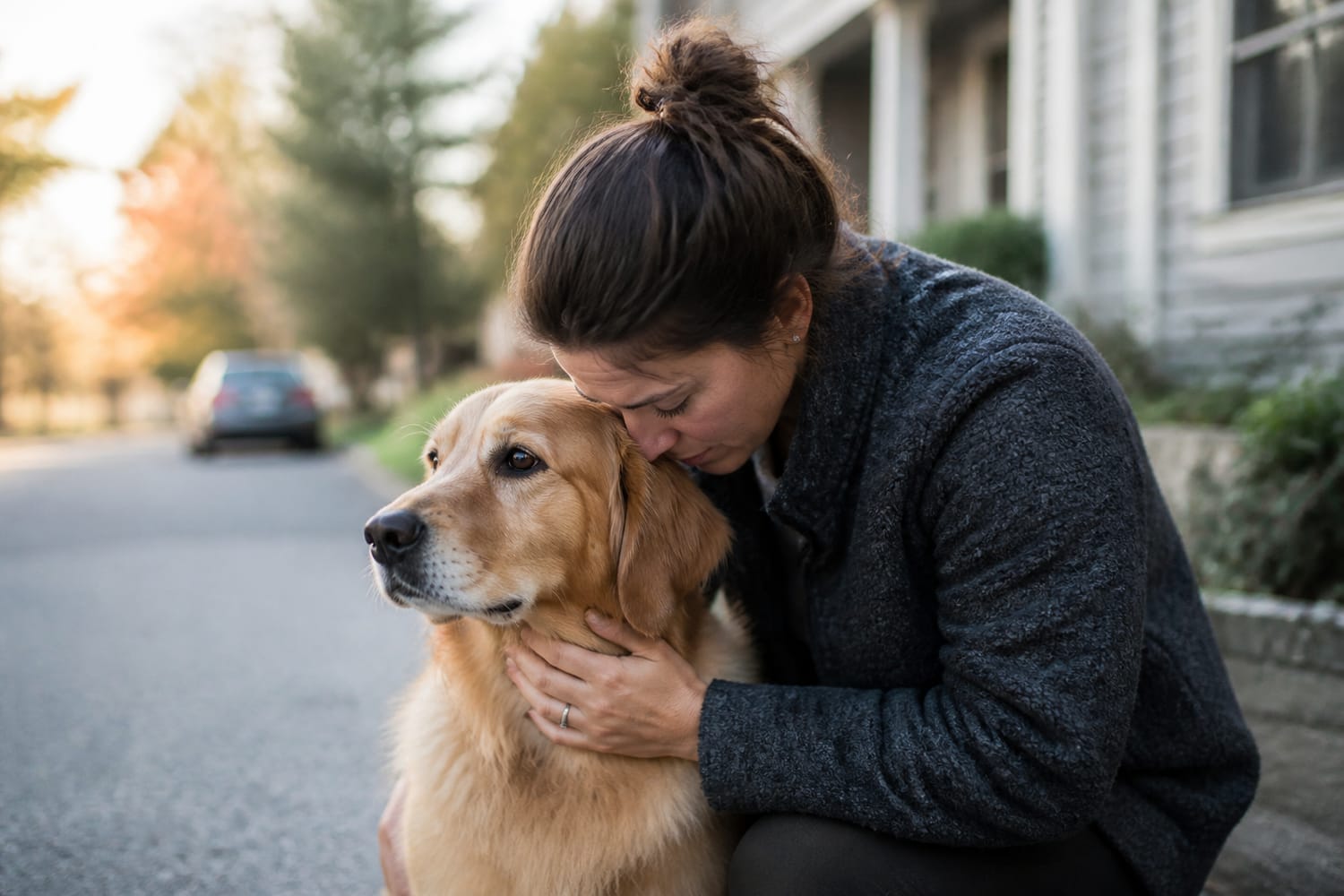
The Moment You Realize Your Pet Is Missing
When a pet disappears, take a breath and act quickly. Search your home and immediate surroundings, alert neighbors, report your pet missing, verify microchip details, and begin sharing a clear photograph. A calm, organized first-24-hours plan turns panic into purposeful action—and gives your beloved companion more ways to be recognized and brought home.
Fear may tell you to run in every direction at once. Resist that impulse. Your pet needs you to think like a search coordinator: gather accurate information, assign tasks, record sightings, and keep communication open.
The First 15 Minutes: Confirm, Contain, and Collect
Before assuming your pet has traveled far, search the place where they were last seen. Frightened animals can hide surprisingly well, even inside familiar homes.
Check:
- Closets, cabinets, basements, attics, and crawl spaces
- Under beds, behind appliances, and inside reclining furniture
- Garages, sheds, vehicles, window wells, and under decks
- Dense bushes, drainage areas, and gaps beneath buildings
- Rooms that may have been closed accidentally
Ask everyone in the household when and where they last saw the pet. Check doors, windows, gates, damaged screens, and fence gaps to identify the likely escape point. If you have other pets, secure them indoors before beginning the outdoor search.
Gather a recent photograph, leash or carrier, flashlight, treats, favorite toy, and a worn item carrying your scent. Bring any medication your pet may urgently need. If possible, ask one person to remain at home in case your pet returns.
The First Hour: Search Close to Home
Begin at the last known location and move outward slowly. Walk rather than drive when practical; you are more likely to notice movement, pawprints, jingling tags, or sounds from beneath a porch.
Call your pet in a calm, familiar voice, then pause and listen. Constant shouting can make a frightened animal less likely to emerge. Shake a treat container or use a familiar sound associated with meals, walks, or playtime.
Ask neighbors to check places that may have been closed since your pet vanished, particularly:
- Garages and sheds
- Under porches and decks
- Boats, trailers, and parked vehicles
- Barns and outbuildings
- Construction sites and open utility areas
Speak with delivery drivers, postal carriers, landscapers, maintenance workers, and people walking dogs. Doorbell cameras and security systems may show which direction your pet traveled. Ask owners to preserve relevant footage before it is automatically deleted.
Adjust the Search to Your Pet
A friendly, confident dog may follow a person, visit a familiar park, or travel along a regular walking route. A fearful dog may avoid voices, hide, or continue running when approached. If you see a frightened dog, do not chase. Turn your body sideways, avoid staring, crouch if it is safe, speak softly, and toss food without advancing. The American Kennel Club’s lost-dog guidance also recommends adding “DO NOT CHASE” to alerts for shy or fearful dogs.
An indoor-only cat that suddenly escapes may hide silently very close to the exit point. Search slowly with a flashlight, including during quieter evening hours when reflected eyes may be easier to spot. The Missing Animal Response Network’s guidance on lost-cat behavior emphasizes physically checking nearby hiding places rather than assuming a frightened cat will answer when called.
For missing birds, rabbits, reptiles, or other companion animals, contact species-experienced veterinarians, rescues, shelters, and local animal-control services immediately. Share details about the animal’s normal behavior, handling needs, environmental requirements, and safe capture methods.
Hours 1–3: Activate Your Recovery Network
Once the immediate area is being searched, report your pet missing. Contact local animal control, municipal and private shelters, humane societies, rescue organizations, veterinary clinics, and emergency animal hospitals.
Do not rely only on one phone call or database. Different organizations may use different reporting systems, and an animal’s description can be recorded incorrectly. File reports with multiple nearby shelters, including those across city or county boundaries when appropriate.
If your pet is microchipped:
- Find the chip number in your veterinary or adoption records.
- Contact the microchip registry.
- Mark your pet as missing.
- Confirm your phone number, email, and address.
- Add a reliable secondary contact if the registry permits it.
A microchip is not a GPS tracker. It identifies your pet when someone scans the chip, so current registration information is essential. Collars can also break or slip off, which is why tags and microchips work best together.
Create a listing through a reputable lost-pet service such as Petco Love Lost, while continuing to report directly to shelters. Monitor found-pet listings yourself because colors, breeds, ages, and sexes may be entered incorrectly.
Hours 3–6: Build a Clear, Shareable Alert
Create one simple alert that people can understand in seconds. Use a large, sharp photograph and a bold heading such as MISSING DOG, LOST CAT, or MISSING BIRD.
Include:
- Species and name
- Color, approximate size, and distinguishing features
- Date, time, and exact area last seen
- Temperament and safe approach instructions
- Medical needs, if relevant
- One or two monitored phone numbers
- “DO NOT CHASE” when appropriate
Avoid crowding the flyer with long paragraphs. A motorist or pedestrian should be able to remember the photograph, location, and contact number at a glance.
Post the alert in neighborhood groups and local lost-pet communities. Share it with veterinary offices, pet stores, groomers, apartment managers, schools, community centers, and nearby businesses—with permission. Place printed flyers at visible intersections without blocking traffic signs or violating local posting rules.
Ask friends to share the original post rather than creating different versions. One updated source reduces confusion when there is a sighting or reunion.
Hours 6–12: Organize, Don’t Overwhelm
As helpers arrive, give them specific assignments. One group can walk familiar routes, another can distribute flyers, and someone else can monitor messages and found-pet databases.
Tell searchers not to chase, surround, grab, or loudly call a fearful animal. Too many people moving unpredictably can push a pet away from the area. Search quietly, respect private property, and obtain permission before entering yards or opening structures.
Keep one person available at the last known location when possible. If safe and practical, place familiar bedding or an unwashed item of your clothing near the escape point. Food should only be used thoughtfully and monitored because it can attract wildlife or other roaming animals.
If you receive a sighting, ask:
- What time did you see the animal?
- What was the exact location?
- Which direction was the animal moving?
- Did the animal appear injured?
- Did anyone approach or chase them?
- Is a photograph or video available?
Do not announce every unconfirmed sighting as fact. Record it, compare it with other reports, and adjust the search area carefully.
Hours 12–24: Recheck and Expand
After dark or around dawn, familiar places may become quieter and less threatening. Revisit the escape point, nearby hiding areas, regular walking routes, and credible sighting locations. Use flashlights and reflective clothing, and never search unsafe roads, waterways, construction zones, or private land without authorization.
Call shelters again and review online intake listings. If possible, visit relevant shelters in person with photographs. A description such as “medium brown dog” or “gray cat” may not be enough for staff to recognize your pet.
Expand outreach gradually into neighboring blocks and communities, especially if your pet is mobile or has been seen traveling. Refresh online posts with confirmed updates, but keep the original photograph and contact details consistent.
The ASPCA’s lost-pet recovery recommendations encourage owners to contact shelters and animal-control agencies, involve neighbors, distribute flyers, and keep checking rather than giving up after the initial search.
Protect Yourself From Lost-Pet Scams
Unfortunately, missing-pet posts can attract dishonest messages. Be cautious if someone refuses to provide a photograph, demands immediate payment, requests a verification code, or claims your pet has been injured but will only disclose the location after receiving money.
Ask the person to describe a feature not shown publicly or send a current photograph. Arrange meetings in safe, public locations when possible, bring another adult, and involve local authorities if a situation feels threatening. Never let urgency pressure you into revealing financial or account information.
When Your Pet Comes Home
Approach a returning pet gently. Even a normally affectionate animal may be frightened, exhausted, dehydrated, or painful. Secure them with a leash, carrier, closed door, or other species-appropriate enclosure before celebrating.
Offer small amounts of water and a quiet place to rest. Contact a veterinarian promptly if your pet is injured, weak, vomiting, breathing abnormally, behaving unusually, or has missed important medication. A veterinary check may also be sensible after prolonged exposure, extreme weather, or an unknown accident.
Update every report and post with SAFE AT HOME, notify shelters and helpers, and remove physical flyers. Then examine how the escape happened. Repair fences, replace damaged screens, improve gate security, and review Petspiration’s guides to pet-proofing your home room by room and making your backyard pet-safe.
Prepare Today for a Faster Reunion Tomorrow
No pet parent wants to imagine this emergency, but preparation is an act of love. Keep identification current, save recent photographs, know your local shelters, and create a contact list before you need it. Petspiration’s guide to creating a pet emergency plan can help your household prepare for escapes, evacuations, and other unexpected events.
Most importantly, hold on to hope. A missing pet may be hiding, traveling, or already safe with someone who has not yet seen your alert. Continue searching methodically, keep your information visible, and let your community help. Every careful step creates another possible path home.