
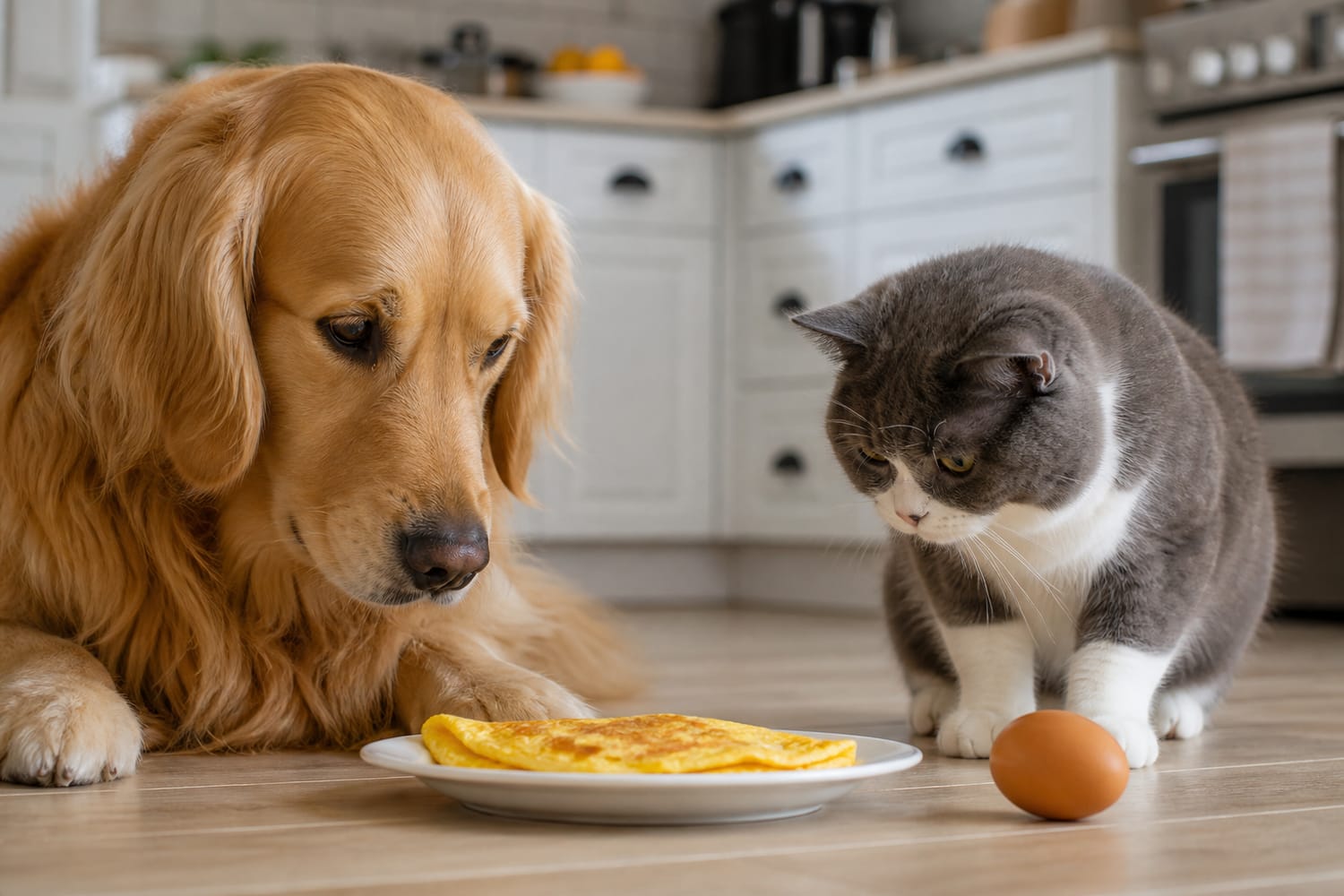
A Tiny Breakfast Food With Big Pet Potential
Eggs are one of those simple foods that feel cozy, wholesome, and familiar. They show up at breakfast tables, in lunchboxes, and in favorite family recipes—and if you share your home with a dog or cat, you’ve probably felt a pair of curious eyes watching every bite. So, can dogs and cats eat eggs?
The short answer is yes: most healthy dogs and cats can safely enjoy eggs when they are cooked, plain, and served in appropriate portions. Eggs can be a nutritious treat, offering high-quality protein, essential fatty acids, vitamins, and minerals. But like any “people food,” they need to be served thoughtfully.
For pet lovers, the goal isn’t just to share food—it’s to share safely. Whether you have a bouncy Labrador, a dignified senior cat, a mischievous kitten, or a tiny terrier with a huge personality, eggs can be a lovely occasional addition to their routine when handled the right way.
Why Eggs Can Be Good for Dogs and Cats
Eggs are often called a “complete protein” because they contain all the essential amino acids needed to help build and maintain body tissues. For dogs and cats, protein supports muscles, skin, fur, immune function, and overall vitality.
Cats are obligate carnivores, which means they rely heavily on animal-based nutrients. Dogs are omnivores, meaning they can eat a wider variety of foods, but they still benefit from animal proteins. Eggs fit nicely into both worlds because they are animal-derived and nutrient-dense.
Eggs contain nutrients such as:
- High-quality protein for muscle maintenance and repair
- Healthy fats that support energy and skin health
- Vitamin A for vision and immune support
- B vitamins, including riboflavin and B12, for metabolism and nerve function
- Choline, which supports brain and liver health
- Selenium, an important antioxidant mineral
- Iron and folate in smaller amounts
Egg yolks are especially rich in fat-soluble nutrients, while egg whites are mostly protein. Together, they make a compact nutritional package—though not a replacement for a complete and balanced pet food.
Cooked Eggs Are the Safest Choice
If you want to share eggs with your dog or cat, cooked is best. Plain hard-boiled eggs, scrambled eggs without butter or oil, or poached eggs without seasoning are all safer choices than raw eggs.
Raw eggs can carry bacteria such as Salmonella or E. coli, which may make pets sick. Even if your pet seems fine, they could potentially shed harmful bacteria in their stool, creating a risk for people in the household—especially children, older adults, pregnant people, and anyone with a weakened immune system.
Raw egg whites also contain avidin, a protein that can interfere with biotin absorption. Biotin is a B vitamin important for healthy skin, coat, and metabolism. A small accidental lick of raw egg is unlikely to cause a problem, but regularly feeding raw egg whites is not recommended.
Cooking eggs reduces bacterial risk and helps make the proteins easier to digest. The key is to keep them simple: no salt, no spices, no onions, no garlic, no butter, and no cooking oils.
How Eggs May Help Your Pet Shine
Many pet parents notice that a nutritious diet can show up in beautiful ways: a glossy coat, bright eyes, playful energy, and healthy skin. Eggs can contribute to that glow when used as an occasional treat alongside a balanced diet.
For dogs, eggs may be a great high-value reward during training. A tiny piece of cooked egg can feel extra special, making it useful for recall practice, crate training, or teaching new tricks. For cats, who may be more selective, a warm crumb of cooked egg might be an exciting enrichment snack.
Eggs can also be helpful for pets who need soft, easy-to-chew treats. Senior pets or animals with dental discomfort may appreciate the gentle texture of scrambled or hard-boiled egg. However, if your pet has ongoing dental pain, appetite changes, or trouble chewing, a veterinary checkup is important.
Eggs are not magic, but they can be a cheerful little boost—a way to add variety, bonding, and nutrition in one small bite.
The Risks: When Eggs Are Not a Good Fit
Even healthy foods can cause problems for some pets. Eggs are no exception.
Some dogs and cats may experience digestive upset after eating eggs, especially if they eat too much too quickly. Signs may include vomiting, diarrhea, gas, or reduced appetite. If your pet has never had egg before, start with a very small amount and watch for any reaction.
Egg allergies are possible, though not the most common food allergy. Signs may include itchy skin, ear inflammation, licking paws, vomiting, or diarrhea. If you suspect a food allergy, talk to your veterinarian before experimenting with ingredients.
Eggs may also be inappropriate for pets with certain medical conditions. Pets with a history of pancreatitis, obesity, or fat-sensitive digestive issues may need to avoid egg yolks or limit eggs carefully. Pets with kidney disease, heart disease, or special prescription diets should only receive extras with veterinary approval.
And remember: eggs add calories. A few bites can fit into a healthy routine, but frequent large servings may contribute to weight gain. This is especially true for small dogs and indoor cats, whose daily calorie needs may be lower than many people realize.
Safe Serving Sizes for Dogs
Serving size depends on your dog’s weight, activity level, health, and regular diet. Eggs should be considered a treat or topper, not a meal replacement.
A general guide for healthy dogs:
- Extra-small dogs: 1 teaspoon to 1 tablespoon of cooked egg
- Small dogs: 1–2 tablespoons
- Medium dogs: ¼ to ½ egg
- Large dogs: ½ to 1 egg
- Giant breeds: up to 1 egg occasionally, if tolerated
This does not mean every dog should eat a whole egg daily. For many dogs, eggs are best offered a few times per week or less. Treats and toppers combined should generally make up no more than 10% of your pet’s daily calories, with the remaining 90% coming from complete and balanced food.
If your dog is on a weight-loss plan, ask your vet how to fit treats into the daily calorie budget. Sometimes even “healthy” extras can slow progress if they aren’t counted.
Safe Serving Sizes for Cats
Cats are smaller than most dogs, so portion control matters even more. A little egg goes a long way.
For a healthy adult cat, start with just ½ teaspoon to 1 teaspoon of plain cooked egg. If your cat enjoys it and tolerates it well, a small amount can be offered occasionally.
Some cats will adore egg. Others will sniff it once and walk away with royal disinterest. Both reactions are completely normal. Cats are individuals, and their preferences can be delightfully mysterious.
Because cats need diets specifically balanced for feline nutrition—including nutrients like taurine—eggs should never replace a complete cat food. Think of egg as a tiny bonus, not a main course.
What About Eggshells?
Eggshells contain calcium, and you may hear people suggest grinding them into powder for pets. While eggshell powder can be used in some homemade diet plans, it should be done carefully and usually under veterinary or veterinary nutritionist guidance.
Too much calcium can be harmful, especially for growing puppies and kittens. Large, sharp shell pieces may also irritate the mouth or digestive tract. If you are feeding a complete commercial food, your pet is already getting balanced minerals, so adding eggshells is usually unnecessary.
If your veterinarian recommends eggshell powder for a homemade recipe, the shells should be cleaned, fully dried or baked, and ground into a fine powder. But for most pet parents, it’s simpler and safer to serve just the cooked egg and skip the shell.
Foods to Avoid Mixing With Eggs
The egg itself may be pet-friendly, but many common egg dishes are not. Dogs and cats should not eat eggs prepared with ingredients that are unsafe or overly rich.
Avoid serving eggs with:
- Onion or garlic, including powders
- Excess salt
- Butter, bacon grease, or heavy oils
- Cheese or cream, especially for pets sensitive to dairy
- Spicy seasonings
- Processed meats, such as sausage, ham, or bacon
- Sauces or condiments
A cheesy, buttery omelet might smell heavenly to your pet, but it can be too fatty, salty, or irritating. Plain is the golden rule.
How to Introduce Eggs the Right Way
Introducing a new food should be calm and simple. Start with a small bite of cooked egg and offer it separately from other new foods. That way, if your pet has an upset stomach later, you have a better idea of what caused it.
Watch your pet over the next 24 hours for signs like vomiting, diarrhea, itchiness, or unusual behavior. If all goes well, you can offer egg occasionally in small amounts.
Good ways to serve egg include:
- Chopped hard-boiled egg as a meal topper
- Plain scrambled egg cooled to room temperature
- A tiny piece used as a training reward
- A small amount tucked into a puzzle feeder for enrichment
Always let cooked eggs cool before serving. Hot food can burn your pet’s mouth, and many eager pets are not known for their patience.
Puppies, Kittens, and Senior Pets
Puppies and kittens have special nutritional needs for growth, so their main diet should be a complete food made for their life stage. Small amounts of cooked egg may be safe for many young pets, but it’s wise to ask your veterinarian first—especially for toy-breed puppies, rapidly growing large-breed puppies, or kittens with sensitive stomachs.
Senior pets may enjoy eggs as a soft, tasty treat, but older animals are also more likely to have medical conditions. If your senior dog or cat has kidney disease, pancreatitis, diabetes, or is on a prescription diet, check before adding extras.
As our pets age, every bite matters. The best treats are not only delicious but also supportive of their comfort and health.
When to Call the Vet
If your pet eats a small amount of plain cooked egg, there is usually no cause for concern. However, contact your veterinarian if your dog or cat:
- Eats a large amount of egg, especially with fatty ingredients
- Eats raw eggs and becomes ill
- Develops repeated vomiting or diarrhea
- Shows signs of allergy, such as itching or ear problems
- Has a known health condition and accidentally eats a rich egg dish
- Becomes lethargic, painful, bloated, or refuses food
If your pet eats eggs prepared with onion, garlic, or other toxic ingredients, call your veterinarian or a pet poison helpline promptly.
The Sunny-Side-Up Summary
So, can dogs and cats eat eggs? Yes—when they are cooked, plain, and served in moderation, eggs can be a safe and nutritious treat for many pets. They offer quality protein, healthy fats, vitamins, and minerals, all wrapped in a simple food many households already have on hand.
The most important rules are easy to remember: cook the egg, keep it plain, serve a small portion, and make sure it fits your pet’s overall diet and health needs. When in doubt, your veterinarian is the best guide.
Sharing food with our pets is one of life’s small joys. A little cooked egg can become a training reward, a special breakfast sprinkle, or a gentle treat for an old friend. Served with care, it’s more than a snack—it’s another way to say, “You’re part of the family.”