
Turn Home Into the Happiest Destination
A memorable pet staycation does not require an expensive hotel, a long drive, or a packed itinerary. With a little creativity, an ordinary weekend can become a joyful adventure filled with new scents, games, treats, relaxation, and meaningful time together. The secret is choosing activities that suit your pet’s personality, health, species, and comfort level.
Before making plans, ask a simple question: What does my pet genuinely enjoy? An outgoing dog may adore a bustling picnic, while a cautious cat might prefer a cardboard castle in a quiet room. Rabbits may enjoy supervised foraging games, and birds can investigate new pet-safe toys or perches.
Adventure should feel exciting—not overwhelming. Watch your pet’s body language, offer plenty of breaks, and let them decide when they have had enough.
Prepare for a Safe, Pet-Friendly Weekend
Gather a few essentials before the fun begins:
- Fresh water and familiar food
- Species-appropriate treats
- A leash, harness, carrier, or secure exercise pen
- Waste bags or cleanup supplies
- Favorite bedding and comfort items
- Safe toys in good condition
- Any necessary medications
- Your veterinarian’s contact information
If you plan to leave home, pack a small emergency bag. Petspiration’s guide to building a complete pet first-aid kit can help you organize useful supplies. Remember that first aid is not a substitute for veterinary treatment; contact a veterinarian when your pet is injured, unwell, or behaving unusually.
1. Begin With a Sniffari
Transform a familiar walk into a “sniffari” by allowing your dog to choose the pace and investigate interesting scents. Instead of concentrating on distance, pause near trees, grass, fences, and other safe areas.
Cats comfortable in a properly fitted harness may enjoy a quiet yard or patio, while indoor pets can explore a scent trail made with treats or familiar objects. Hide items in easy locations at first, then gradually make the search more challenging.
2. Create a Backyard or Living-Room Campout
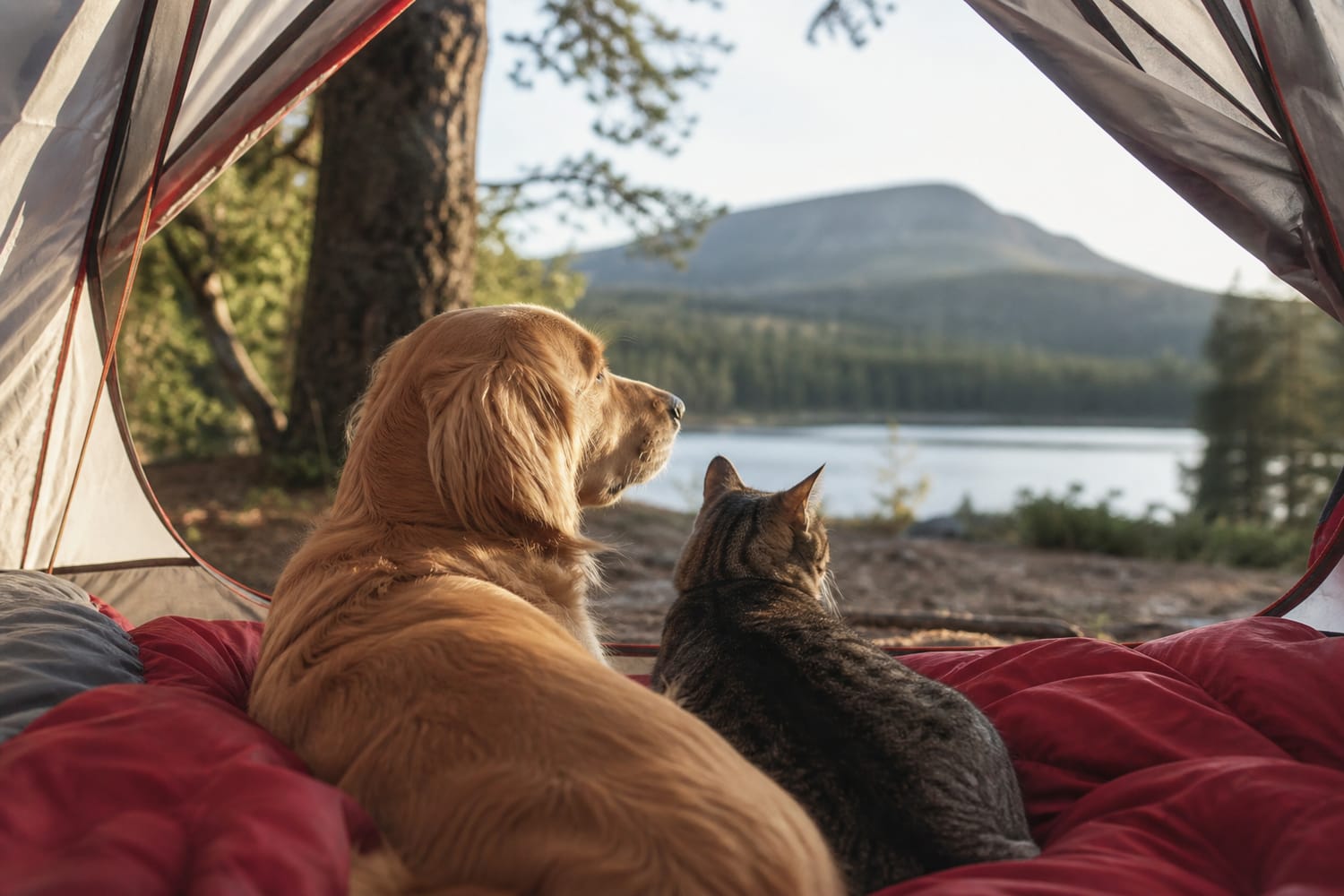
Build a miniature campsite with blankets, cushions, tunnels, and a cozy sleeping area. Pitch a small tent in a secure yard or make an indoor fort from chairs and sheets.
Bring your pet’s regular bed so the setting feels adventurous without becoming unfamiliar. Dim the lights, play gentle nature sounds, and settle in for a story, movie, or peaceful cuddle. Never use candles, open flames, or loose cords around curious animals.
3. Design a Pet Treasure Hunt
Hide small portions of your pet’s meal or favorite toys around one safe room. Let your pet use their nose, eyes, and problem-solving skills to find each prize.
For dogs, try boxes, rolled towels, or treat-dispensing toys. Cats may enjoy hunting toy mice or treats placed on accessible perches. Rabbits can forage for hay among cardboard tubes, while birds may investigate food wrapped in pet-safe paper. Supervise closely and remove anything your pet could swallow.
The ASPCA’s at-home enrichment suggestions include food puzzles and activities that encourage natural behaviors such as sniffing, chewing, and searching.
4. Open a Weekend Pet Café
Turn breakfast or lunch into a charming café experience. Set a blanket beside a sunny window, arrange your pet’s usual meal attractively, and serve fresh water in a clean bowl.
There is no need to create a rich or complicated recipe. A portion of familiar food presented in a puzzle feeder can feel special. If you add ingredients, confirm that they are safe for your pet’s species and health needs. Avoid chocolate, grapes, raisins, onions, garlic, xylitol, alcohol, and other potentially dangerous foods.
5. Build a Mini Agility Course
Use household objects to create a gentle obstacle course. Arrange cushions to walk around, a low pole to step over, a tunnel to pass through, or markers to weave between.
Keep obstacles stable, low, and appropriate for your pet’s mobility. Never force jumping, climbing, or sharp turns, particularly for young, senior, injured, or short-legged animals. Cats may prefer a trail between boxes and sturdy perches, while rabbits can explore open tunnels and low platforms.
Reward curiosity rather than speed. The goal is confidence and fun—not competition.
6. Visit a New Local Destination
A nearby trail, pet-friendly garden, quiet park, or relative’s backyard can feel like a major expedition to an animal experiencing it for the first time. Check pet policies before leaving and choose a destination suited to your companion’s temperament.
Secure pets appropriately in the vehicle, bring water, and never leave an animal unattended in a parked car. The ASPCA’s pet travel safety guidance recommends preparing animals with shorter drives, using suitable restraints or carriers, and packing familiar supplies.
For more future inspiration, explore this dog-friendly pet bucket list.
7. Plan a Pet Spa Afternoon
After the morning’s excitement, slow the pace with gentle pampering. Depending on your pet, this might include brushing, a veterinarian-approved bath, nail care by a capable adult, or simply resting on a soft blanket.
Not every animal enjoys spa-style handling. Stop if you notice struggling, hiding, growling, flattened ears, rapid breathing, or other signs of distress. A spa day can be as simple as calmly brushing a pet who loves it and washing their bedding while they nap nearby.
8. Host a Toy Rotation Party
Pets sometimes lose interest in toys that are always available. Put several away for a while, then reintroduce them during the staycation. Familiar toys may suddenly seem exciting again.
You can also offer a new puzzle, scratching surface, perch, chew, or ball chosen for your pet’s size and play style. Inspect everything before and after play. The American Humane Society’s guide to choosing safe pet toys recommends checking toys regularly and supervising new enrichment activities.
9. Teach a Brand-New Skill
Learning together gives pets a mental workout while strengthening communication. Dogs might practice touching a target, putting toys in a basket, or resting on a mat. Cats can learn to enter a carrier or touch a target stick. Birds may practice stepping onto a perch, and rabbits can learn to approach a marker.
Use short sessions, tiny rewards, and positive reinforcement. End while your pet is still interested. Avoid punishment or physical pressure; successful training should help your companion feel safe, clever, and eager to participate.
10. Give One Room an Adventure Makeover
Choose a pet-safe room and temporarily transform it. Add boxes, tunnels, bedding, climbing options, or hidden feeding stations according to your pet’s abilities.
Cats often appreciate sturdy vertical spaces, while dogs may enjoy a defined relaxation corner beside a play zone. Small pets need secure, species-appropriate enclosures without exposed wires or unsafe gaps. Petspiration’s pet room makeover ideas offer additional inspiration for creating comfortable and stimulating spaces.
Keep a familiar retreat available so your pet can leave the activity whenever they wish.
11. Hold a Staycation Photo Challenge
Create a simple list of moments to capture throughout the weekend:
- The first excited expression
- A close-up of paws, feathers, scales, or whiskers
- An action photograph during play
- A peaceful rest-time portrait
- A final “best weekend ever” picture
Use natural light, work at your pet’s level, and avoid costumes or props that cause discomfort. Treats and toys can attract attention, but patience usually produces the most natural images. The best photograph may be an imperfect one that perfectly captures your companion’s personality.
12. Finish With a Sunset Picnic and Quiet Time
End the weekend on a gentle note. Set up a blanket in the yard, on a balcony, beside a window, or in your pet’s favorite room. Offer fresh water, part of their normal meal, and a comfortable place to rest.
Think of this as a chance to be present rather than to provide constant entertainment. Watch the sunset, listen to neighborhood sounds, or simply sit together. For many pets, your calm attention is the most valuable part of the entire staycation.
The Best Adventures Are Built Around Your Pet
A successful pet staycation is not measured by how many activities you complete. It is measured in relaxed body language, bright curiosity, happy play, peaceful naps, and moments of genuine connection.
Choose a few ideas, adapt them thoughtfully, and leave room for spontaneity. Your dog may spend an hour investigating one tree, your cat may prefer the box that held the new toy, and your rabbit may decide that rearranging the picnic blanket is the weekend’s greatest activity.
That is the beauty of sharing life with pets: they remind us that adventure is not always somewhere far away. Sometimes it is waiting in the living room, the backyard, or the familiar path just beyond the front door.