
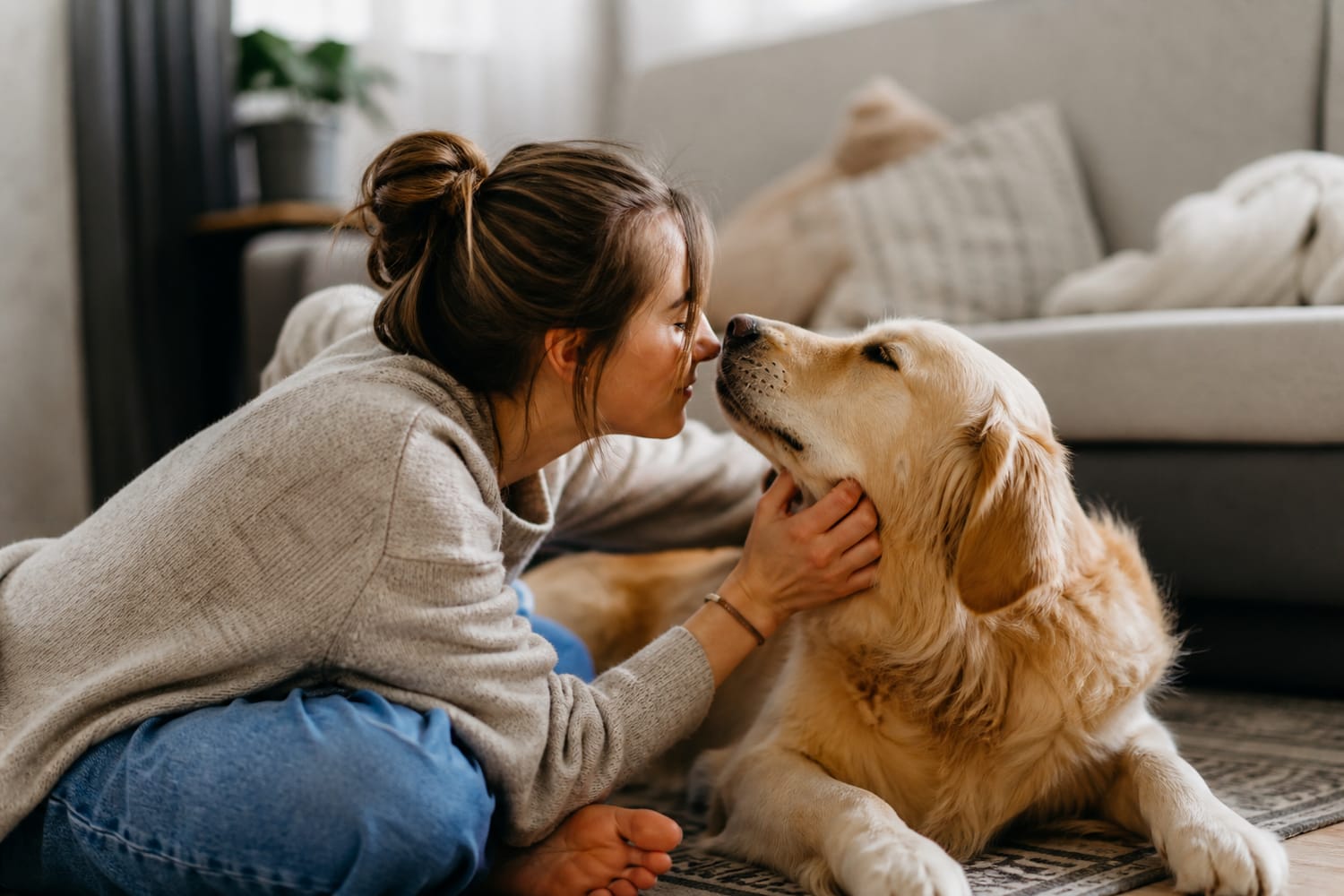
The Screen-Free Pet Hour: 12 Simple Ways to Reconnect Without Distractions
One Hour, One Pet, No Notifications
A screen-free pet hour is a daily or weekly block of time when phones, televisions, tablets, and computers are set aside so you can focus fully on your animal companion. Through play, gentle care, training, exploration, and quiet company, this simple ritual can provide valuable enrichment while strengthening trust and connection.
Our screens help us work, learn, relax, and stay in touch—but they are also talented attention thieves. You may sit beside your pet for an entire evening while only occasionally looking up from a glowing rectangle. Your pet is nearby, yet the two of you are not truly doing anything together.
The screen-free pet hour is an invitation to change that. It does not have to last exactly 60 minutes, and it should never feel like another chore. Ten focused minutes can be meaningful to a busy family, an older pet, or an animal with a short attention span. What matters is being present.
Why Undistracted Time Matters to Pets
Pets benefit from opportunities to express natural behaviors, whether that means sniffing, chasing, foraging, climbing, digging, chewing, exploring, or resting near someone they trust. Thoughtful enrichment supports physical activity, mental engagement, and emotional well-being. The American Animal Hospital Association’s guide to at-home enrichment emphasizes variety, positive experiences, and activities suited to each animal’s natural needs.
Focused time also helps us notice our pets more closely. Without a screen competing for attention, we are more likely to spot a hesitant movement, a favorite game, a request for space, or a new behavior worth monitoring. That makes the hour more than entertainment—it becomes a gentle exercise in communication.
12 Simple Ways to Enjoy a Screen-Free Pet Hour
1. Take a Pet-Led Sniff Walk
If you have a dog, turn an ordinary walk into a sensory adventure. Instead of concentrating on distance or speed, safely allow your dog to investigate interesting scents at an unhurried pace.
Choose a quiet route, use a secure leash, and let your dog pause when appropriate. A slow walk around one block may offer more mental engagement than a hurried march twice as far. Match the outing to your dog’s age, health, fitness, and comfort with the surroundings.
2. Play Their Favorite Interactive Game
Bring out a toy that requires both of you: a tug toy, ball, feather wand, rolling toy, or another species-appropriate favorite. Move it in ways that invite natural behavior rather than simply waving it randomly.
For cats, let a wand toy creep, dart, pause, and hide like prey. For dogs, include breaks during fetch or tug so excitement stays manageable. Avoid using fingers, hands, or feet as toys, and inspect playthings for loose pieces before beginning.
3. Create a Simple Treasure Hunt
Ask your pet to wait in another safe area while you hide a few toys or portions of their normal food around a room. Begin with easy hiding places and gradually make the search more challenging.
Dogs can follow scent trails, cats can investigate boxes, and rabbits can forage for suitable food among loose hay. Food used in games should come from the pet’s normal daily allowance when possible, particularly if weight management is a concern. The ASPCA offers additional DIY canine enrichment ideas, including supervised scent and food puzzles.
4. Teach One Tiny Skill
Training can be a conversation rather than a performance. Choose one achievable behavior, such as touching a target, coming when called, stepping onto a mat, sitting, entering a carrier, or offering a paw.
Keep each round brief, reward the behavior promptly, and finish before either of you becomes frustrated. Never force your pet into position. Petspiration’s guide to training your cat with patience and positive rewards is a helpful reminder that learning is not only for dogs.
5. Build a Living-Room Adventure Course
Create a safe course using cushions, open boxes, low obstacles, tunnels, or sturdy furniture. Your dog might weave between cushions, while a cat may follow a toy through a box tunnel. Rabbits can explore cardboard hideouts with at least two openings.
Keep the setup stable and low to the ground. Never make a pet jump, climb, or squeeze through something that frightens them. Senior pets and animals with mobility conditions may enjoy a simpler trail with treats, textures, and gentle turns.
6. Have a Slow Grooming Session
Brushing can become a peaceful bonding ritual when your pet enjoys it. Settle in a comfortable place, use the correct grooming tool, and work in short, gentle strokes.
Pause if you notice tense muscles, flattened ears, tail lashing, repeated attempts to leave, or other signs of discomfort. Do not pull at mats or attempt difficult nail trimming without proper guidance. The goal is connection, not completing an entire grooming checklist.
7. Read Aloud to Your Pet
Choose a book, magazine, poem, or family story and read in a calm voice. Your pet does not need to understand the plot to enjoy your predictable tone and quiet presence.
This activity can be especially lovely for children who want to participate in the screen-free hour. Adults should supervise young children, teach gentle interaction, and ensure the pet can leave whenever they choose. Explore more ways of helping children and pets build respectful friendships.
8. Make an Approved Foraging Toy
A cardboard box, paper bag with the handles removed, or cardboard tube can sometimes become an engaging puzzle. The design must suit your pet, and active supervision is essential.
Remove tape, staples, strings, plastic, sharp edges, and small parts that could be swallowed. Stop immediately if your pet begins eating the material. Rabbits, for example, naturally benefit from opportunities to explore and forage, but enrichment should leave them space to move and retreat, as explained in the RSPCA’s rabbit enrichment guidance.
9. Practice the Art of Quiet Company
Not every pet wants an hour of energetic activity. Sit on the floor or near your pet’s favorite resting place and allow them to decide whether to approach.
You might offer a relaxed hand for sniffing, provide gentle strokes if invited, or simply share the room. Birds, shy cats, newly adopted animals, seniors, and small pets may find calm companionship more rewarding than constant handling.
10. Refresh One Part of Their Environment
Use the hour to make a familiar space more interesting. Rotate a few toys, rearrange a cat tunnel, add a safe hiding place, or create a new perch where appropriate.
For birds, rabbits, reptiles, fish, and other pets, environmental changes must be species-appropriate and should not disrupt essential temperature, lighting, water-quality, diet, or safety requirements. Introduce changes gradually, watch your pet’s reaction, and preserve familiar resting areas.
11. Try a Pet-Friendly Mindfulness Moment
Settle near your pet and pay attention to the small details you normally miss: the rhythm of breathing, the softness of fur, the pattern of feathers, the movement of whiskers, or the gentle sounds of an aquarium.
Do not try to hold an animal in place. Let the moment unfold naturally. This is as much for you as it is for your pet—a chance to step out of the day’s noise and appreciate the living companion beside you.
12. End With a Choice
Finish the hour by offering two safe options. Your pet might choose between a toy and a cuddle, a short walk and a food puzzle, or a perch and a hideaway. Watch which option they approach.
Offering choice helps you discover what your pet genuinely enjoys rather than assuming every animal wants the same kind of attention. Over time, these small decisions can teach you a surprising amount about their personality.
Create a Ritual That Fits Your Household
A screen-free pet hour works best when it is realistic. Try placing devices in another room, gathering supplies beforehand, and choosing a time when your pet is naturally awake and interested. Families can take turns selecting activities, provided an adult oversees safety.
Consider using this simple checklist:
- Put devices away or switch them off.
- Choose one active and one calm activity.
- Use pet-safe materials.
- Watch body language throughout.
- Allow water, rest, and personal space.
- Stop if your pet appears tired, fearful, frustrated, or uncomfortable.
Some days may include training and treasure hunts. Others may consist of a slow walk followed by a nap together. Both count.
Your Attention Is the Real Gift
Pets do not measure love in notifications, photographs, or perfectly planned activities. They experience it through safety, patience, play, dependable care, and the feeling of being noticed.
When the screen goes dark, a quieter world appears: a hopeful tail wag, a cat waiting beside a toy, a rabbit beginning to explore, or a bird leaning closer to listen. Give that world your attention for a little while. You may discover that reconnecting with your pet also helps you reconnect with yourself.