
The Perfect Pet Picnic: How to Plan a Safe, Relaxed Outdoor Day Together
A Little Planning Makes the Day More Joyful
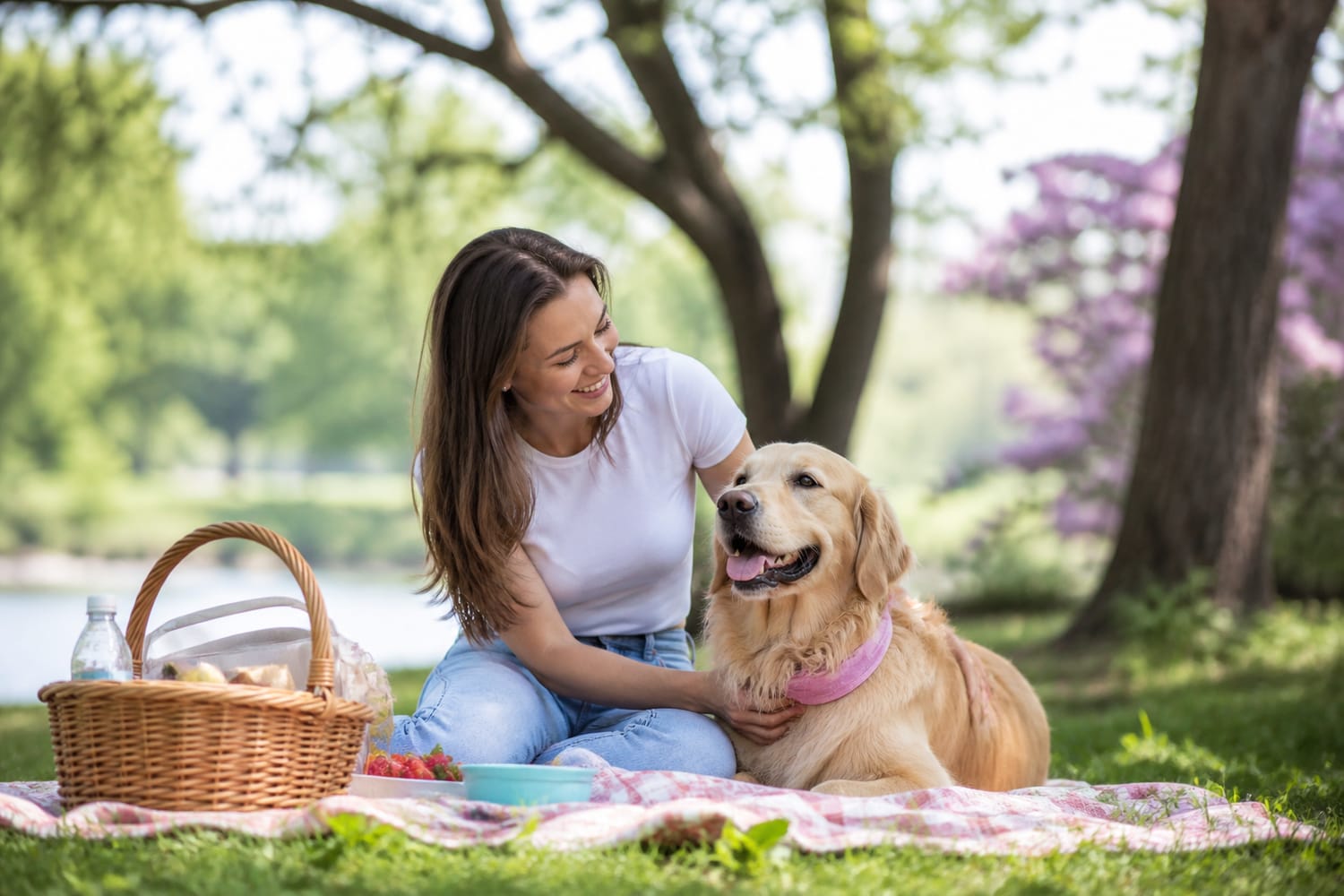
The perfect pet picnic combines fresh air, favorite foods, gentle activities, and plenty of time to relax. Choose a pet-friendly location, check the weather, pack familiar essentials, and keep your companion’s comfort at the center of every decision. The goal is not a packed itinerary—it is a peaceful day you can enjoy together.
A picnic can transform an ordinary afternoon into a treasured memory. Your dog might investigate every interesting scent before settling beside the blanket, while an adventure-ready cat may prefer watching the world from a secure carrier or harness.
However, not every pet enjoys unfamiliar outdoor spaces. A comfortable afternoon at home may be the kinder choice for animals who are anxious, unwell, very young, elderly, reactive, or easily overwhelmed. The perfect outing is always the one that suits your pet.
Choose the Right Place and Time
Begin by finding a location where pets are permitted. Check the park’s current rules regarding leashes, designated pet areas, parking, waste disposal, and access to water. Even if off-leash activity is allowed, a secure leash or enclosed area may be the safest option around food, wildlife, children, and unfamiliar animals.
Look for a quiet spot with:
- Reliable shade
- Even ground without sharp debris
- Space between your blanket and other visitors
- Easy access to your vehicle or park exit
- No nearby grills, busy roads, stagnant water, or dense brush
Timing matters, too. Early mornings and mild late afternoons are often more comfortable than the middle of a hot day. Check the temperature, humidity, wind, air quality, and possibility of storms before leaving. If conditions look uncomfortable, postpone the picnic rather than trying to make the original plan work.
Pets can overheat quickly, especially those with flat faces, thick coats, excess weight, heart or respiratory conditions, or advanced age. Bring more water than you expect to need, provide continuous shade, avoid strenuous play, and review these pet heatwave safety precautions before warm-weather outings.
Pack a Pet Picnic Basket
A well-packed bag allows you to respond calmly when your pet needs something. Keep human food in a separate cooler and place pet supplies in an easy-to-reach tote or backpack.
Your pet picnic checklist
- Fresh water and a portable bowl: Never rely on finding safe drinking water at your destination.
- Your pet’s normal food or treats: Familiar options are less likely to cause digestive upset.
- A leash, harness, and backup restraint: Check every clip and buckle before leaving home.
- Identification: Your pet should wear current ID, even if they are microchipped.
- A blanket or portable bed: A familiar scent can help create a comfortable resting place.
- Waste bags and a sealable trash bag: Leave the picnic area cleaner than you found it.
- A towel and pet-safe wipes: Useful for muddy paws, minor spills, and damp fur.
- Basic first-aid supplies: Include gauze, bandaging materials, tweezers, and your veterinarian’s contact details.
- Any necessary medication: Transport it according to your veterinarian’s instructions.
- A carrier or retreat space: Particularly important for cats and small pets that need a secure place to decompress.
Bring a few simple activities, but resist packing every toy your pet owns. A chew, snuffle mat, or favorite soft toy may be enough. Outdoor scents and sounds already provide considerable stimulation.
Create Separate Menus for People and Pets
Sharing a blanket does not mean sharing every snack. Picnic favorites may contain ingredients that are unsafe for animals, including grapes, raisins, chocolate, onions, garlic, alcohol, and products sweetened with xylitol. Fatty leftovers can also cause serious digestive problems in some pets. The ASPCA’s list of people foods to avoid feeding pets is a useful resource when planning your menu.
Pack a pet portion separately rather than feeding directly from the picnic spread. Your companion might enjoy part of their usual meal, a veterinarian-approved treat, or a stuffed food toy prepared with familiar ingredients. Keep portions reasonable, particularly if your pet has been less active than usual.
Secure all food waste immediately. Corncobs, fruit pits, bones, skewers, foil, plastic wrap, and grease-soaked paper may smell irresistible to a curious animal but can cause choking, injury, or intestinal obstruction. Use containers with locking lids and keep the garbage where your pet cannot reach it.
Human food requires careful handling as well. The FDA advises keeping cold perishable foods at 40°F or below and discarding foods left out for more than two hours—or one hour when the outdoor temperature is above 90°F. Review its complete outdoor food-handling guidance before packing your cooler.
Build Comfort Into the Picnic
The best pet picnic has a slow rhythm. Give your companion time to sniff and explore before asking them to settle. Once you reach your spot, spread out the blanket, offer water, and allow your pet to choose whether to sit close to you or rest a little farther away.
Avoid tethering a pet to a folding chair, picnic table, or other object that could move or topple. Hold the leash, use a secure hands-free system as directed, or attach it only to equipment specifically designed for safe tethering. Never leave a tethered pet unattended.
Watch your pet’s body language throughout the day. Relaxed pets may display soft eyes, a loose posture, normal breathing, and a willingness to eat or rest. Possible signs of discomfort include:
- Repeated yawning or lip licking
- A tucked tail or flattened ears
- Pacing or attempting to hide
- Refusing familiar treats
- Excessive vocalization
- Stiffness, freezing, or intense staring
- Persistent panting unrelated to activity
- Trying to return to the car or exit
These signals are not misbehavior. They are valuable information. Increase distance from whatever is troubling your pet, offer a quiet break, or end the picnic early. Leaving while everyone is still comfortable is far better than waiting for stress to escalate.
Plan Gentle Activities Together
A picnic does not need to become an exhausting field day. Alternate short activities with generous rest periods. Your options might include a shaded sniff walk, a few rounds of “find it,” calm training games, brushing, photography, or simply lying together and watching the clouds.
For a food-searching game, scatter a small amount of your dog’s kibble across a clean patch of short grass. Confirm that the area has not been treated with chemicals and contains no mushrooms, litter, or animal waste. Cats accustomed to outdoor excursions may enjoy observing birds from inside a secured carrier, stroller, or mesh enclosure.
If you would like more ideas for future outings, Petspiration’s pet bucket list offers inspiration for safe adventures based on your dog’s interests and abilities.
Do not pressure your pet to greet strangers or other animals. Ask visitors to wait while your pet approaches voluntarily, and decline interactions when necessary. A polite “They need a little space today” protects everyone without spoiling the friendly atmosphere.
Respect Wildlife and Outdoor Hazards
Keep your pet away from wild animals, unfamiliar plants, discarded food, mushrooms, pesticides, and water that looks discolored, stagnant, foamy, or otherwise suspicious. Do not allow chasing, digging near nests, or wandering into protected habitats.
Ticks may be found in grassy, brushy, and wooded areas, and pets can carry them home. Speak with your veterinarian about species-appropriate parasite prevention, remembering that some products made for dogs are dangerous to cats. After the picnic, check around the ears and eyes, under the collar and legs, between the toes, and around the tail. The CDC provides additional guidance for preventing ticks on pets.
Know When It Is Time to Go Home
End the outing if your pet becomes tired, distressed, unusually quiet, unsteady, nauseated, or difficult to engage. Heavy panting, excessive drooling, weakness, vomiting, confusion, collapse, or breathing difficulty can indicate a medical emergency, particularly in warm conditions. Move your pet to a cooler area and contact a veterinarian immediately rather than waiting to see whether the symptoms pass.
Once home, offer fresh water and a quiet place to sleep. Check paws for cuts, plant material, and sore spots, examine the coat for ticks, and note any changes in appetite or behavior. A gentle evening routine can help your companion settle; these five-minute pet rituals are easy ways to close the day with calm attention.
Make the Memory, Not the Schedule
A perfect pet picnic is not measured by how long you stay, how many activities you complete, or how photogenic the setup looks. It is successful when your companion feels safe, included, and understood.
Pack thoughtfully, remain flexible, and pay attention to the animal beside you. Whether your picnic lasts an entire afternoon or becomes a twenty-minute snack beneath a favorite tree, the real gift is the same: unhurried time together, surrounded by fresh air and the quiet happiness of being a team.