
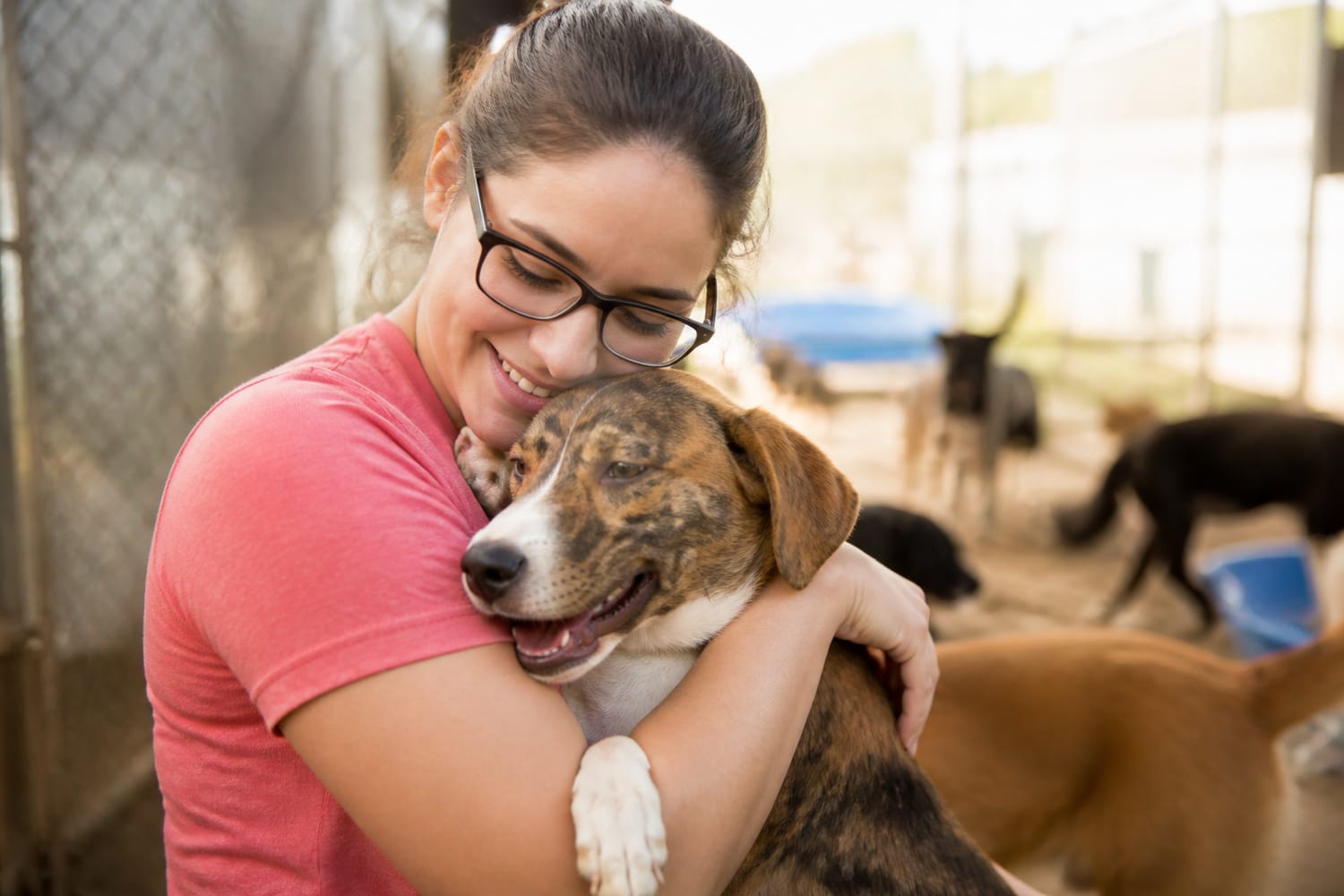
The 30-Day Pet Kindness Challenge: Small Acts That Make Life Better for Your Pet and Animals in Your Community
Kindness Begins With One Small Act
The 30-Day Pet Kindness Challenge is a simple invitation: do one thoughtful thing for an animal every day. Some actions strengthen the bond with your own pet, while others support shelter animals, neighborhood pets and local wildlife. You do not need a large budget or endless free time—only compassion, curiosity and a willingness to help.
Kindness is often quiet. It can look like refreshing a water bowl, letting a dog stop and sniff, respecting a cat’s need for space or sharing a shelter pet’s adoption profile. When these small choices become habits, they can make homes safer, communities more caring and animals’ lives noticeably brighter.
Before You Begin
The challenge is designed for pet lovers of all ages, including people who do not currently have an animal. Complete the activities in order, rearrange them to suit your schedule or adapt them for your pet’s species, age, health and personality.
Keep these principles in mind:
- Allow your pet to choose whether to participate.
- Supervise children during activities with animals.
- Introduce new toys, foods and experiences gradually.
- Ask a veterinarian before making significant changes to diet or exercise.
- Contact shelters before donating, volunteering or visiting.
- Never approach an unfamiliar animal without permission.
For a helpful foundation, explore what responsible pet ownership looks like day to day.
Week One: Make Your Pet Feel Seen, Safe and Loved
Day 1: Become a Pet Detective
Spend ten quiet minutes observing your pet without directing the activity. Notice posture, sounds, movement and reactions. Learning what relaxation, excitement or discomfort looks like in your individual pet helps you respond more thoughtfully.
Day 2: Refresh the Essentials
Wash food and water bowls, replace the water and tidy your pet’s eating area. Check habitats, litter boxes, bedding, perches or enclosures as appropriate. A clean, comfortable environment is one of the simplest gifts we can provide.
Day 3: Offer Ten Minutes of Undivided Attention
Put away your phone and enjoy an activity your pet genuinely likes. That might be fetch, wand-toy play, gentle grooming, trick training or simply sitting nearby while your animal relaxes.
Day 4: Create a Peaceful Retreat
Every pet should have somewhere to rest without being disturbed. Improve your pet’s favorite retreat with comfortable bedding, appropriate shelter or a quieter location. Teach children that an animal using this space should be left alone.
Day 5: Let Your Pet Explore
For dogs, consider a slow “sniff walk” rather than rushing toward a destination. Cats may enjoy investigating a paper bag with the handles removed, while birds and small mammals can explore species-appropriate toys under supervision.
Day 6: Check Identification
Make sure identification tags are readable and attached securely. Confirm that your microchip registration, veterinary records and emergency contacts contain current information. For animals kept in enclosures, check doors, latches and screens for wear.
Day 7: Give Affection on Their Terms
Invite interaction rather than insisting on it. Some pets adore cuddles; others prefer a scratch behind the ears, a nearby perch or quiet companionship. Respecting “not now” is an important form of love.
Week Two: Add Joy, Enrichment and Healthy Habits
Enrichment allows animals to use natural behaviors such as sniffing, chewing, chasing, foraging, climbing or hiding. The ASPCA’s DIY dog-enrichment ideas demonstrate how supervised activities using suitable household items can provide mental and physical stimulation.
Day 8: Make Mealtime Interesting
Use a suitable puzzle feeder, scatter part of a meal in a safe search area or hide food in an approved foraging toy. Use food from your pet’s normal daily portion when possible, and supervise anything homemade.
Day 9: Teach One Helpful Skill
Practice a simple behavior using rewards and patience. Dogs might learn “touch,” birds may step onto a perch and cats can learn to target an object. Yes, training your cat can be possible and fun.
Day 10: Rotate the Toy Collection
Instead of leaving every toy available, place a few safe favorites out and store the others. Reintroducing them later may renew interest. Discard damaged toys that could expose stuffing, sharp edges or swallowable pieces.
Day 11: Turn Grooming Into Bonding
Choose a gentle, appropriate task: brushing fur, checking paws, misting a bird that enjoys it or inspecting a reptile’s habitat. Stop if your pet becomes uncomfortable, and leave nail trimming or other difficult care to an experienced professional when necessary.
Day 12: Do a Nose-to-Tail Check
Look for unusual lumps, sore areas, coat changes, overgrown nails, irritated skin or changes in movement. This is not a substitute for veterinary care, but knowing your pet’s normal condition can help you recognize when something seems different.
Day 13: Introduce a New Experience
Offer a safe texture, scent, sound or activity at your pet’s pace. Never force interaction. A rabbit might investigate a cardboard tunnel, a cat may watch birds through a closed window and a dog might explore a new walking route.
Day 14: Celebrate Your Bond
Write down five things you love about your pet. Children can draw a picture or make a card. Your animal may not read it, but the exercise reminds everyone that pets are individuals—not accessories—with feelings, preferences and needs.
Week Three: Spread Kindness Into Your Community
Day 15: Pick Up Litter
Take a bag and gloves on your next walk and safely collect a few pieces of trash. Plastic, fishing line and discarded food can create hazards for pets and wildlife. Avoid sharp or dangerous objects and wash your hands afterward.
Day 16: Check a Shelter Wish List
Local organizations may need unopened food, litter, cleaning supplies, bedding or enrichment items—but needs differ. Contact the shelter or check its official wish list before purchasing or delivering anything.
Day 17: Share an Adoptable Animal
Choose a post from a reputable local shelter or rescue and share it with accurate details. A single thoughtful post can introduce an animal to someone who might be a suitable adopter. Petspiration’s shelter-to-home stories offer more inspiration about the value of second chances.
Day 18: Donate One Useful Item
Give an approved item from the organization’s list or make a small financial contribution if you can. Clean towels, unopened supplies and pet beds are among the donations some animal organizations request, but always confirm local policies first.
Day 19: Thank an Animal Caregiver
Write a note to a veterinary team, groomer, trainer, shelter employee, foster caregiver or volunteer. People who care for animals often manage physically and emotionally demanding responsibilities, and sincere appreciation can brighten their day.
Day 20: Learn What to Do if You Find a Lost Pet
Save the numbers for local animal control, shelters and emergency veterinary clinics. Learn how your community handles found animals. Avoid chasing a frightened pet into traffic; observe from a safe location and contact appropriate local help.
Day 21: Support Wildlife Responsibly
Plant a native, animal-safe species, clean an existing birdbath or learn about a local wildlife rehabilitation organization. Do not handle, feed or relocate wild animals unless qualified local experts advise you to do so.
Week Four: Help Pets and People Stay Together
Animal kindness also means supporting people who love their pets. Temporary financial trouble, housing problems or illness can make pet care difficult. Resources such as pet food pantries and veterinary assistance programs may help animals remain with their families rather than enter shelters.
Day 22: Support a Pet Food Pantry
Donate an accepted bag or can of unopened food, or share information about a local pantry. Check expiration dates and ask which brands, sizes and species-specific supplies are most useful.
Day 23: Explore Volunteering
Shelters may need help with laundry, cleaning, administration, events, photography, transport or animal care. Ask about age requirements, training and time commitments before signing up.
Day 24: Learn About Fostering
Foster homes can provide temporary care for animals that are young, recovering, stressed or waiting for adoption. You do not have to commit today—simply attend an information session or read a local organization’s requirements.
Day 25: Help a Pet-Owning Neighbor
Offer to walk a dog, collect pet supplies, clean a litter box or drive someone to a veterinary appointment. Ask first, follow the owner’s instructions and choose a task you can perform safely.
Day 26: Practice Polite Pet Citizenship
Pick up waste, follow leash rules, prevent roaming and avoid allowing your pet to approach people or animals without invitation. Thoughtful behavior protects your pet while making shared spaces more welcoming.
Day 27: Speak Up With Compassion
Correct harmful pet myths gently, encourage reward-based handling and model respectful treatment. Effective advocacy is not about shaming people; it is about sharing reliable information and helping them make kinder choices.
Day 28: Prepare for an Emergency
Begin or update a pet emergency kit with food, water, medication, identification records, a carrier or leash and basic supplies. Include a written care plan and identify someone who could assist your pet if you were unavailable.
The Final Two Days: Make Kindness Last
Day 29: Start a Kindness Jar
Place a jar somewhere visible and add spare change whenever you can. Once it fills, support a trustworthy animal organization, pet pantry or wildlife rehabilitation center. Families can vote together on where the donation should go.
Day 30: Celebrate and Choose Three Lasting Habits
Finish with an activity your pet enjoys—or, if you do not have a pet, perform one final community kindness. Then choose three actions to continue, such as a weekly enrichment game, a monthly shelter donation and a regular neighborhood clean-up.
Keep the Ripple of Kindness Moving
Thirty days will not solve every challenge animals face, but kindness was never an all-or-nothing project. It grows through repeated choices: noticing when a pet needs space, helping a neighbor afford food, sharing an adoption post or taking time to play.
Invite a friend, classroom or family member to begin the challenge next. When pet lovers turn compassion into action, even the smallest gesture can travel farther than expected—making one pet’s day happier, one family’s burden lighter and one community kinder for every creature who calls it home.