
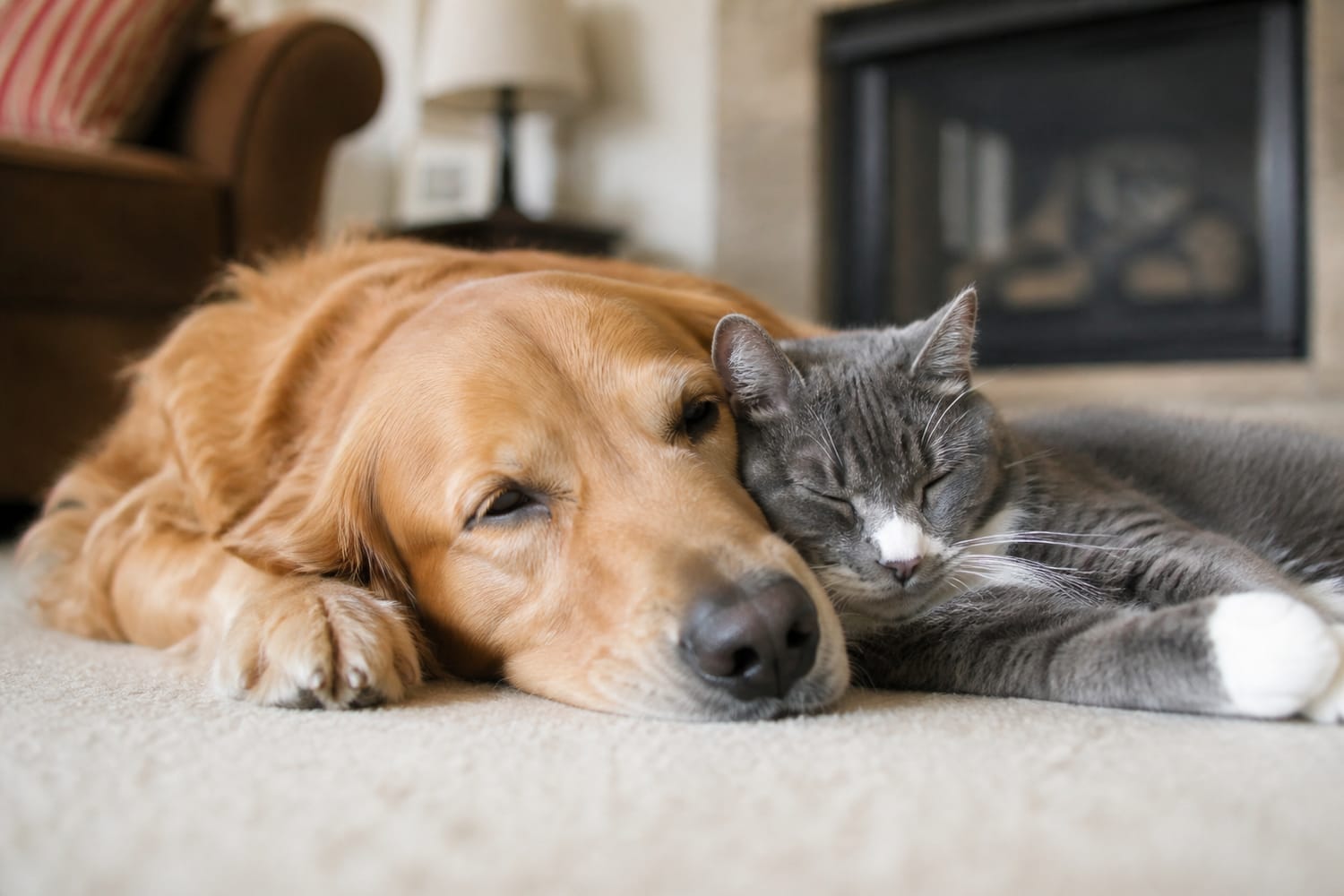
A Day in Your Pet’s Life: How to Create a Mini Documentary You’ll Treasure Forever
Turn an Ordinary Day Into a Lasting Memory
A mini documentary captures something posed portraits often miss: the rhythm of your pet’s real life. From the morning stretch and breakfast excitement to afternoon naps and evening cuddles, these everyday moments reveal personality, habits, relationships, and the little details you may someday long to see again.
You do not need professional equipment or filmmaking experience. A smartphone, a simple plan, patience, and respect for your pet’s comfort are enough to create a heartfelt film your family can treasure for years.
Begin With Observation, Not a Camera
Before filming, spend a day noticing your pet’s routine. When are they most active? Where do they rest? What sounds make them curious? Which family member receives the most enthusiastic greeting?
Think beyond obviously adorable moments. A rabbit rearranging hay, a bird chattering during breakfast, a cat inspecting a cardboard box, or a senior dog slowly settling into a favorite bed can all become meaningful scenes.
Write down five to eight moments that represent an ordinary day. Your list might include:
- Waking up or leaving a sleeping area
- Breakfast and fresh water
- A walk, play session, or enrichment activity
- Quiet observation or exploration
- Interaction with family members or other pets
- Grooming or another care routine
- A favorite resting place
- The household’s bedtime ritual
Knowing your pet’s habits helps you anticipate good filming opportunities without disrupting them. Petspiration’s guide to taking Insta-worthy photos of your pet offers additional ideas for recognizing photogenic routines and personality-filled moments.
Give Your Documentary a Simple Story
Even a two-minute film feels richer when it has a beginning, middle, and end. Fortunately, your pet’s routine already provides a natural storyline.
The beginning: Welcome to their world
Open with a scene that establishes the time and place. You could film morning light entering the room, a close-up of paws stretching, a food bowl being prepared, or your pet waiting beside the bedroom door.
Add a simple title such as:
“Tuesday With Milo”
“A Quiet Day in Poppy’s World”
“Twenty-Four Hours With Our Tiny Explorer”
The middle: Show personality in action
The center of the documentary should contain the liveliest variety. Mix activity with calm moments: a walk followed by a nap, a training session followed by window watching, or breakfast followed by an enthusiastic cage-to-play-area journey.
The ending: Return to rest
Finish with a peaceful scene that creates a sense of completion. A pet curling up, lights being dimmed, an aquarium settling into its evening glow, or a final goodnight scratch can make a beautiful ending.
Create a Shot List That Feels Personal
A useful shot list combines wide views, medium shots, close-ups, and movement. This creates visual variety while preserving both your pet’s environment and their smallest details.
Try capturing:
- A wide shot of the room, yard, enclosure, or walking route
- A medium shot showing your pet during an activity
- A close-up of eyes, whiskers, feathers, scales, paws, or nose
- A favorite toy, bed, perch, blanket, or hiding place
- Food preparation before the meal begins
- Your pet’s reaction to a familiar person
- A low-angle view from your pet’s eye level
- The sounds of eating, purring, chirping, sniffing, splashing, or walking
- A quiet moment when your pet appears unaware of the camera
Aim to record each scene for approximately five to ten seconds. Holding the shot longer than you think necessary gives you more flexibility during editing.
If you want a more attractive setting, you can borrow practical ideas from these pet room makeover suggestions. However, do not make the space unnaturally perfect. The chewed toy, rumpled blanket, scattered hay, and well-used scratching post are part of your pet’s authentic story.
Film Comfortably With the Equipment You Have
Modern smartphones can produce excellent home videos. Before beginning, clean the camera lens, charge the battery, check available storage, and choose your orientation. Horizontal video generally works well for televisions and traditional films, while vertical video suits phone viewing and many social platforms. Pick one orientation and remain consistent.
Natural light is usually the easiest and most flattering option. Film near a window or outdoors in gentle light, avoiding harsh midday sun and deep backlighting. Strong, sudden light can be uncomfortable for animals, so turn off the camera flash whenever possible. The RSPCA’s pet photography guidance also recommends natural light, patient observation, varied angles, and attention to the animal’s body language.
Keep the phone steady by using both hands, resting your elbows against your body, or placing the device on a stable surface. A small tripod is useful but optional. The ASPCA’s tips for recording clear animal videos similarly emphasize steady framing, suitable light, clear sound, and basic story planning.
Let Your Pet Direct the Production
The best mini documentary is not the one with the fanciest shots. It is the one in which your pet looks and behaves naturally.
Never chase, corner, restrain, repeatedly reposition, dress up, or frighten an animal for a scene. Watch for signs that your pet wants space. These vary by species and individual but may include moving away, hiding, freezing, flattening the ears, tucking the tail, rapid breathing, vocalizing, struggling, or showing defensive behavior.
If your pet appears uncomfortable, stop filming and allow them to retreat. Avoid disturbing sleep, meals, toileting, nesting, shedding, or other sensitive activities. Do not tap aquarium or terrarium glass to attract attention, and never place an animal in an unsafe location for a dramatic background.
Treats and toys can encourage attention, but only use items appropriate for your pet’s species, diet, health, and normal routine. The documentary should fit around their day—not turn their day into a performance.
Capture the Sounds That Make Home Feel Like Home
Sound can make a simple film deeply emotional. Record the click of nails across the floor, the jingle of a collar, the rustle of bedding, a guinea pig’s squeak, a bird’s morning song, or the familiar sound of your voice saying your pet’s name.
Reduce competing noise where practical. Turn off the television, move away from loud appliances, and shield the phone from wind outdoors. You can also record ten seconds of quiet background sound in each location. This “room tone” can help smooth audio transitions during editing.
Music is optional. Your pet’s natural sounds may be more personal than any soundtrack. If you plan to share the finished film publicly, use music you created or have permission to use rather than adding a copyrighted commercial recording.
Include the People Who Share Your Pet’s Life
A pet’s story is also a story about connection. Include hands preparing dinner, feet walking beside a dog, a child reading near a cat, or a family member gently grooming a rabbit. These details show how your pet belongs within the household.
Children can help choose scenes, hold a written title card, or narrate a short introduction. Adults should supervise interactions and make sure both the child and animal remain calm. Petspiration’s guide to raising pets with kids explains the importance of gentle touch, respecting a pet’s personal space, and providing supervision.
Consider recording brief answers to questions such as:
- What is your favorite thing about this pet?
- What funny habit do they have?
- What does their perfect day look like?
- What have they taught your family?
Keep these reflections short and sincere. One honest sentence can carry more emotional weight than a long speech.
Edit for Feeling Rather Than Perfection
Begin by choosing the clips that best reveal your pet’s personality. Remove accidental recordings, repeated scenes, severe camera shake, and moments that feel intrusive. Then arrange the remaining footage in the order of the day.
A three- to five-minute film is long enough to tell a satisfying story while remaining easy to revisit. Use simple cuts or gentle fades rather than filling the documentary with elaborate effects. Add names, dates, locations, or short captions when they contribute useful context.
Do not worry about preserving every technical imperfection. A curious nose approaching the lens, an unexpected sneeze, or a pet wandering out of frame can make the film feel warm and genuine.
Preserve the Original Footage
Once the documentary is complete, save both the finished film and the best original clips. Keep copies in at least two places, such as a computer and an external drive or reputable cloud service.
Use clear file names that include your pet’s name and the recording date. If you choose cloud storage, check whether it preserves the original resolution or compresses uploads. For example, Google explains the differences between its available photo and video backup quality settings.
You might also create a yearly documentary, a birthday film, or shorter seasonal chapters. Over time, these videos can become a moving record of changing routines, new friendships, growing confidence, and the many stages of your pet’s life.
Celebrate the Beautifully Ordinary
Your pet does not need to perform an extraordinary trick or visit a spectacular location to deserve a documentary. Their life is meaningful because it is shared with you.
Film the sleepy mornings, enthusiastic greetings, favorite corners, curious investigations, and quiet moments of companionship. These scenes may feel ordinary today, but together they tell an irreplaceable story: what your pet loved, how they lived, and how completely they belonged in your family.