
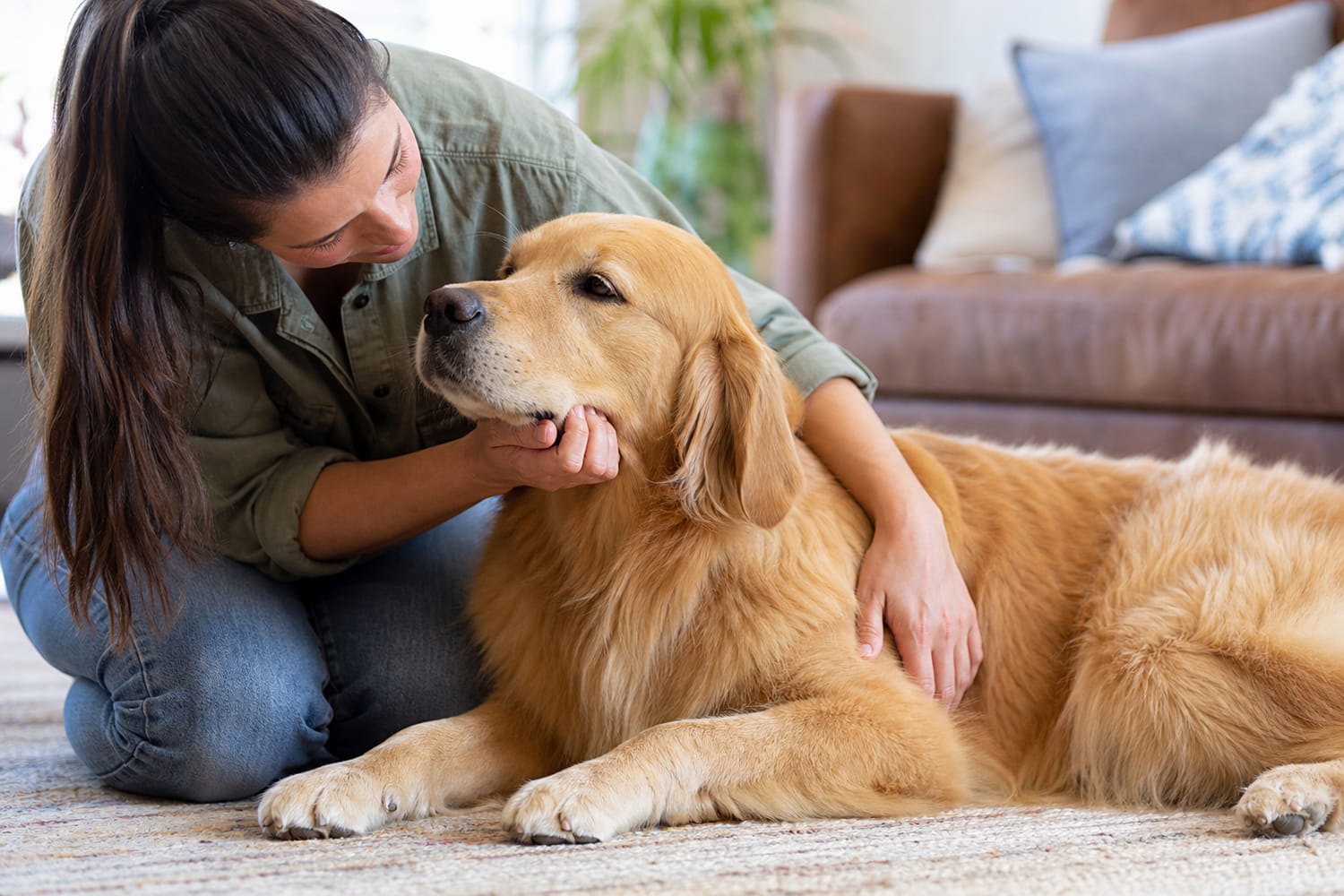
A Weekly Ritual That Says “I Love You”
Every pet parent knows the magic of a soft nuzzle, a wagging tail, a rumbling purr, or a happy hop across the room. Our pets communicate with us constantly—but because they can’t tell us, “My ear feels itchy” or “This paw hurts,” it’s up to us to notice the little things.
That’s where the 10-minute nose-to-tail check comes in.
Think of it as a weekly wellness ritual: part health screening, part bonding time, part “thank you” for the joy your pet brings into your life. Done gently and consistently, this quick check can help you spot changes early, build trust through positive touch, and become more familiar with what’s normal for your dog, cat, rabbit, or other companion animal.
It is not a replacement for regular veterinary care, of course. But it is one of the simplest, most loving habits you can add to your pet care routine.
Before You Begin: Set the Mood
The best health check does not feel like an exam. It feels like affection.
Choose a quiet time when your pet is calm—after a walk, after playtime, or during a relaxed evening at home. Use a soft voice, gentle hands, and plenty of praise. If your pet loves treats, keep a few nearby to reward cooperation. If they dislike being handled, go slowly and split the check into smaller sessions.
For dogs, a sit or down position may work well. Cats may prefer your lap, a favorite blanket, or even standing on a table if they are comfortable. Small pets should be handled securely and close to the ground to prevent falls.
The key is never to force it. If your pet becomes stressed, stop and try again later. The goal is to create a routine they learn to trust.
Start With the Nose and Face
Begin at the front: your pet’s nose, muzzle, whisker area, and face.
A healthy nose can be wet, dry, warm, or cool depending on the pet, the weather, and recent activity. Contrary to popular belief, a dry nose alone does not necessarily mean illness. What matters more is change.
Look for:
- Crusting, sores, swelling, or bleeding
- Unusual discharge from the nose
- Sneezing that seems frequent or intense
- Changes in facial symmetry
- Sensitivity when touched
For flat-faced breeds, such as Pugs, Bulldogs, Persian cats, and Exotic Shorthairs, pay special attention to skin folds around the nose and face. These areas can trap moisture and debris, sometimes leading to irritation or infection.
Gently wipe away minor dirt with a damp cloth if your pet allows it. If you see thick discharge, blood, swelling, or signs of pain, it is time to contact your veterinarian.
Check the Eyes: Bright, Clear, and Comfortable
Your pet’s eyes should look bright, open, and comfortable. Some mild “sleep” in the corners can be normal, especially after rest, but ongoing discharge or irritation deserves attention.
Look for:
- Redness
- Cloudiness
- Squinting
- Pawing at the eyes
- Unequal pupil size
- Excessive tearing
- Yellow or green discharge
Eye issues can become serious quickly, especially if your pet is squinting or holding an eye closed. This may indicate pain, injury, or infection. Because eyes are delicate, avoid using human eye drops unless your veterinarian specifically recommends them.
Also take a moment to notice how your pet tracks movement. If they bump into furniture, hesitate in familiar spaces, or seem startled when approached from one side, mention it to your vet.
Peek at the Ears
Next, gently lift each ear flap and take a look. You do not need to dig deep—just observe what you can see and smell.
Healthy ears are usually clean, pale pink, and free from strong odor. A little wax may be normal, depending on the pet.
Watch for:
- Bad smell
- Redness
- Swelling
- Dark, crumbly debris
- Excessive wax
- Head shaking
- Scratching at the ears
- Sensitivity when touched
Dogs with floppy ears or pets who swim often may be more prone to ear problems because moisture can become trapped. Cats can also develop ear mites, allergies, or infections.
Never insert cotton swabs deep into the ear canal, as this can push debris farther in or cause injury. If ears look dirty or irritated, ask your vet how to clean them safely and whether an exam is needed.
Look Inside the Mouth—If Your Pet Allows It
Dental health is a huge part of overall health. Problems in the mouth can cause pain, difficulty eating, bad breath, and even contribute to other health issues if infections spread.
Gently lift the lips and look at the teeth and gums. You do not need to pry the mouth open unless your pet is comfortable with it.
Check for:
- Bad breath that is stronger than usual
- Red, swollen, or bleeding gums
- Yellow or brown tartar buildup
- Loose, broken, or missing teeth
- Drooling
- Pawing at the mouth
- Difficulty chewing
- Lumps or sores
Healthy gums are usually pink, though some pets naturally have black or spotted gums. What matters is knowing your pet’s normal. Pale, blue, very red, or bleeding gums can signal a problem and may require urgent veterinary care, especially if paired with weakness, collapse, or breathing difficulty.
Feel Along the Neck, Chest, and Body
Now let your hands do some gentle detective work.
Run your hands slowly along your pet’s neck, shoulders, chest, back, sides, and belly. You are feeling for anything new or unusual.
Notice:
- Lumps or bumps
- Scabs or wounds
- Tender spots
- Heat or swelling
- Weight changes
- Changes in muscle tone
- Areas your pet does not want touched
Not every lump is dangerous, but every new lump should be noted. Some may be harmless fatty growths, cysts, or insect bites; others may need testing. Your veterinarian can determine what it is, often with a simple needle sample.
This is also a good moment to assess body condition. Can you feel your pet’s ribs with light pressure? Is there a visible waist when viewed from above? Weight gain and weight loss can happen gradually, so weekly hands-on checks help you notice trends before they become bigger concerns.
Inspect the Skin and Coat
A shiny coat is lovely, but skin health matters even more.
Part the fur in a few places and look closely at the skin. Check the back, belly, armpits, groin, base of the tail, and between skin folds if your pet has them.
Look for:
- Redness
- Flaking
- Bald patches
- Greasy or smelly areas
- Scabs
- Fleas or flea dirt
- Ticks
- Mats or tangles
- Excessive licking or chewing
Flea dirt often looks like tiny black pepper flakes. If placed on a damp white tissue, it may turn reddish-brown because it contains digested blood.
For long-haired pets, mats can pull painfully on the skin and hide irritation underneath. Regular brushing can prevent discomfort and make your weekly check much easier.
If you find a tick, remove it carefully with a tick-removal tool or fine-tipped tweezers, grasping close to the skin and pulling steadily. If you are unsure how to remove it safely, ask your veterinary team for guidance.
Check Legs, Paws, and Nails
Pets rely on their feet for everything: running, jumping, climbing, scratching, digging, stretching, and greeting us at the door like we are celebrities.
Gently touch each leg from shoulder or hip down to the paw. Flex joints softly only if your pet is relaxed and comfortable.
Watch for:
- Limping
- Swelling
- Heat
- Pain
- Stiffness
- Cuts or scrapes
- Grass seeds, burrs, or debris
- Cracked paw pads
- Overgrown nails
Spread the toes and check between them. This area can collect small stones, foxtails, ice melt, mud, or irritants. In winter, wipe paws after walks to remove salt or chemicals. In summer, remember that hot pavement can burn paw pads.
Nails should not be so long that they click heavily, curl, or affect walking. Dewclaws—the nails higher up on the leg—are especially easy to overlook and can grow into the skin if not trimmed.
Don’t Forget the Back End
It may not be the most glamorous part of pet care, but checking your pet’s rear end is important.
Look under the tail and around the anus for:
- Redness
- Swelling
- Discharge
- Matted fur
- Signs of diarrhea
- Rice-like tapeworm segments
- Scooting
- Excessive licking
Scooting can sometimes mean anal gland discomfort, but it may also be related to allergies, parasites, irritation, or other issues. If it happens more than once or twice, or if your pet seems uncomfortable, call your vet.
For cats, rabbits, and other small animals, a dirty rear end can be especially concerning. Rabbits, in particular, need urgent attention if they are not eating, not passing droppings, or have stool stuck to the fur.
Observe Breathing, Movement, and Mood
The nose-to-tail check is not only about what you touch. It is also about what you notice.
Take a minute to watch your pet move naturally. Are they getting up easily? Are stairs suddenly harder? Do they hesitate before jumping? Do they seem more tired, restless, clingy, or withdrawn than usual?
Also observe breathing. Normal breathing should look comfortable and quiet. Contact a veterinarian promptly if you notice labored breathing, persistent coughing, blue or pale gums, collapse, or open-mouth breathing in cats, which can be an emergency.
Changes in behavior are often one of the earliest signs that something is off. A normally social pet hiding away, a calm pet becoming irritable, or a playful pet losing interest in favorite activities may be telling you they do not feel well.
Keep a Simple Weekly Pet Wellness Log
You do not need a complicated spreadsheet—unless you love spreadsheets, in which case, your pet officially has a health dashboard.
A simple note on your phone works beautifully. Record:
- Date of check
- Weight, if you can measure it safely
- Appetite and water intake
- Energy level
- Any lumps, bumps, or skin changes
- Medication or supplement updates
- Questions for your vet
Photos are especially helpful. If you find a small lump, irritated patch, or healing wound, take a clear picture with the date. This makes it easier to tell whether something is improving, worsening, or staying the same.
A wellness log can also help your veterinarian. Instead of saying, “I think this started a while ago,” you can say, “I first noticed it three weeks ago, and it has doubled in size.” That kind of detail matters.
When to Call the Vet
Your weekly check may uncover small things you can monitor, like a tiny scratch that is healing well. But some signs should not wait.
Contact your veterinarian if you notice:
- Difficulty breathing
- Collapse, extreme weakness, or seizures
- Persistent vomiting or diarrhea
- Refusal to eat, especially in cats or rabbits
- Sudden limping or severe pain
- Eye injury, squinting, or cloudiness
- Swollen abdomen
- Bleeding that does not stop
- Pale, blue, or very red gums
- A new lump or a lump that changes quickly
- Signs of infection, such as pus, heat, swelling, or strong odor
When in doubt, call. Veterinary teams would much rather answer a question early than see a pet after a problem has become severe.
Turning Health Care Into Heart Care
The beautiful thing about the 10-minute nose-to-tail check is that it is not just a medical habit. It is a relationship habit.
You are learning your pet’s normal: the shape of their paws, the softness of their ears, the way their breathing sounds when they are resting, the places they love being scratched, and the places they prefer you leave alone. You are building trust one gentle touch at a time.
And your pet is learning something too: that your hands are safe, your attention is loving, and care can be calm.
So once a week, slow down. Put your phone aside. Sit with your pet. Look, listen, feel, and appreciate the wonderful little body that carries around such a big personality.
Ten minutes may seem small—but to your pet’s health, comfort, and happiness, it can make a world of difference.