
The Loving Habit That Can Save a Life
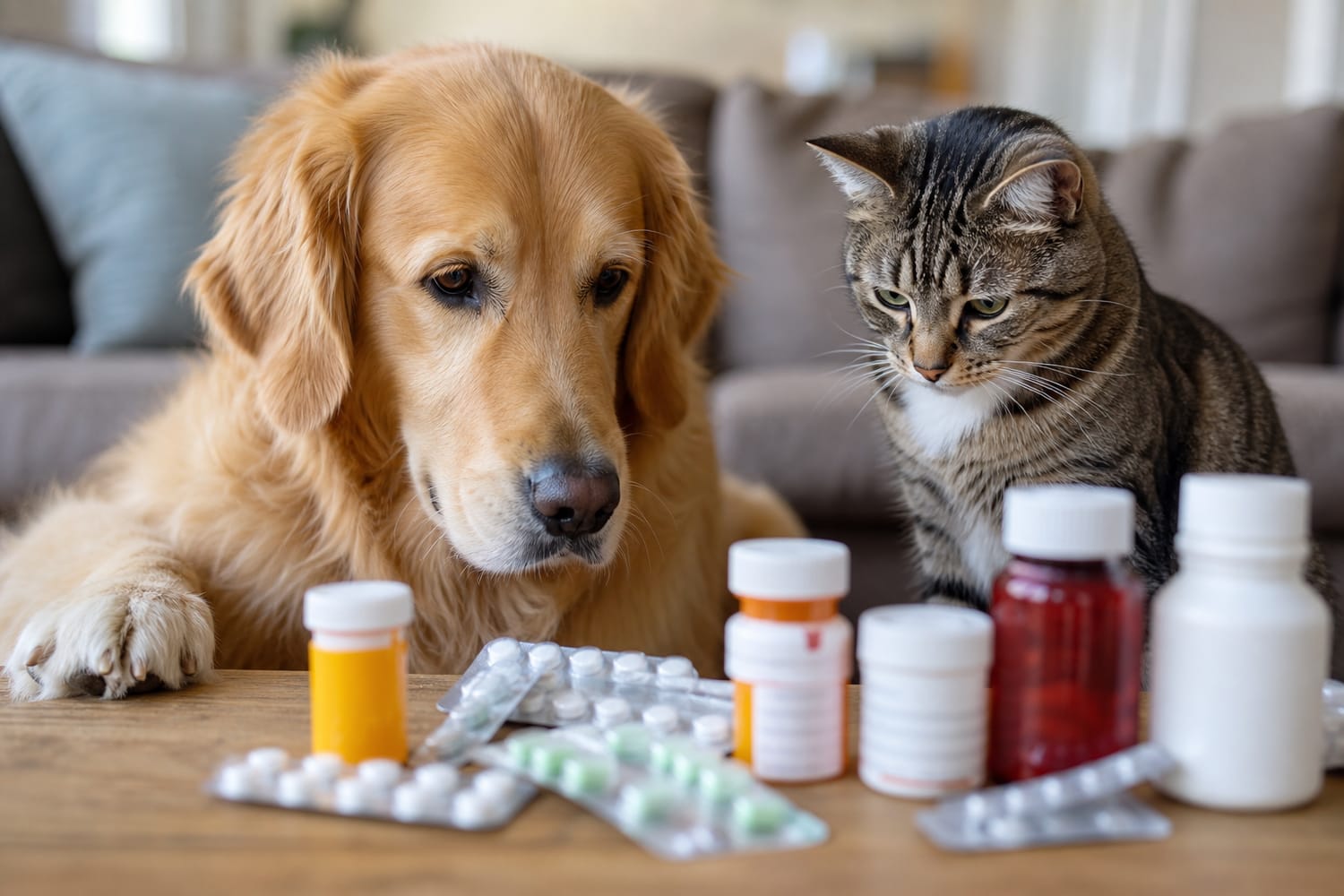
Our pets share our homes, our couches, our routines, and—if they have their way—sometimes our snacks. But one thing they should never share without a veterinarian’s guidance is our medicine cabinet. Human medications are one of the most common causes of poisoning in dogs and cats, and many exposures happen in ordinary, loving households: a dropped pill, a curious cat batting a capsule across the floor, a dog chewing through a handbag, or an owner trying to soothe a pet’s pain with medicine that seems harmless.
The good news is that medication poisoning is highly preventable. With a little awareness and a few smart habits, pet parents can dramatically reduce risk and act quickly if an accident happens. This guide walks through common human medicines that can poison dogs and cats, what warning signs to watch for, and how to keep your furry family members safe.
Why Human Medicines Can Be Dangerous for Pets
Dogs and cats are not small humans. Their bodies process drugs differently, and a dose that is safe for a person may be dangerous—or even fatal—for an animal. Cats are especially sensitive to many medications because they lack certain liver enzymes needed to break down drugs efficiently. Dogs, meanwhile, are often at risk because they are enthusiastic chewers and may swallow entire bottles, flavored tablets, or medicated creams.
Even medications prescribed to pets can become dangerous if given at the wrong dose, given to the wrong species, combined with other drugs, or shared between pets. A medication that helps one dog may harm another dog with kidney disease, liver problems, heart disease, or a different body weight.
The safest rule is simple: never give your pet any human medication unless your veterinarian specifically tells you to do so.
Pain Relievers: Common, Familiar, and Risky
Some of the most dangerous medications for pets are also the most common in human homes: over-the-counter pain relievers.
Acetaminophen, found in products such as Tylenol and many cold-and-flu remedies, is extremely dangerous for cats. Even small amounts can damage red blood cells, interfere with oxygen delivery, and cause liver injury. Signs may include drooling, vomiting, swelling of the face or paws, difficulty breathing, brown or bluish gums, weakness, and collapse. Dogs can also suffer serious liver damage and red blood cell changes from acetaminophen, especially at higher doses.
Nonsteroidal anti-inflammatory drugs, or NSAIDs, include ibuprofen, naproxen, and aspirin. These medications may help people with pain and inflammation, but in pets they can cause stomach ulcers, vomiting, diarrhea, internal bleeding, kidney failure, seizures, and other severe problems. Naproxen is particularly long-acting and dangerous in dogs and cats. Aspirin should never be given unless a veterinarian recommends it, because safer pet-specific options are often available.
It is also important to remember that many “combination” medicines contain hidden pain relievers. Cold, flu, sinus, and sleep products may include acetaminophen or NSAIDs along with other ingredients that can be harmful to pets.
Cold, Allergy, and Decongestant Medications
When sniffle season arrives, many households stock up on decongestants, antihistamines, cough suppressants, and multi-symptom cold products. Some of these ingredients are more dangerous than others, and mixed products can be especially tricky.
Pseudoephedrine and phenylephrine, common decongestants, can cause dangerous stimulation of the nervous system and heart. Pets who ingest them may become restless, hyperactive, trembly, or agitated. They may develop a rapid heart rate, high blood pressure, fever, seizures, or collapse.
Certain antihistamines may be used in veterinary medicine under specific circumstances, but others can cause sedation, agitation, abnormal heart rhythms, vomiting, or urinary issues—especially if combined with decongestants or pain relievers. Cough medicines may contain dextromethorphan, alcohol, xylitol, or other ingredients that can create additional concerns.
Before giving any medication for sneezing, coughing, itching, or allergies, call your veterinarian. What looks like a simple seasonal issue could be an infection, asthma, heart disease, a foreign object, or another condition requiring proper diagnosis.
Mental Health and Sleep Medications
Human mental health medications save lives, and many people rely on them daily. But for pets, accidental ingestion can be serious. Antidepressants such as SSRIs, SNRIs, and tricyclic antidepressants may cause vomiting, agitation, tremors, high body temperature, abnormal heart rate, blood pressure changes, seizures, or a condition called serotonin syndrome.
ADHD medications and stimulants can be especially dangerous. Even small amounts may cause hyperactivity, tremors, elevated heart rate, high blood pressure, fever, seizures, and life-threatening complications.
Sleep aids, anti-anxiety medications, and sedatives can cause unusual reactions in pets. Some animals become profoundly sleepy and wobbly, while others become agitated or disoriented. Because many products vary in strength and ingredients, professional guidance is essential after any exposure.
A key safety note: pets are naturally drawn to containers that smell like their people. A pill bottle in a backpack, purse, gym bag, or bedside drawer may be irresistible to a determined dog.
Heart, Blood Pressure, and Diabetes Medications
Medications for blood pressure and heart conditions can be dangerous even in small amounts, particularly for smaller pets. Beta blockers may slow the heart rate and lower blood pressure. Calcium channel blockers can cause weakness, collapse, abnormal heart rhythms, and shock. ACE inhibitors may cause low blood pressure, weakness, and kidney-related concerns, especially in dehydrated animals or those with pre-existing kidney disease.
Diabetes medications are another serious concern. Insulin can cause dangerously low blood sugar if a pet receives too much or if a non-diabetic pet is exposed. Oral diabetes medications, especially sulfonylureas, may trigger prolonged hypoglycemia. Signs of low blood sugar include weakness, wobbliness, confusion, tremors, seizures, and collapse.
Because these medications can affect vital systems quickly, any accidental ingestion should be treated as urgent.
Vitamins, Supplements, and “Natural” Products
“Natural” does not always mean safe for pets. Human vitamins and supplements may contain concentrated ingredients, sweeteners, essential oils, caffeine, or other substances that can harm dogs and cats.
Vitamin D is particularly dangerous in excess. It can raise calcium and phosphorus levels, leading to vomiting, increased thirst and urination, weakness, kidney failure, and mineralization of soft tissues. Iron supplements can cause vomiting, diarrhea, abdominal pain, shock, liver injury, and more severe poisoning depending on the amount ingested.
Melatonin may be used in some pets under veterinary direction, but certain human formulations contain xylitol, a sweetener that is highly toxic to dogs. Xylitol can cause rapid insulin release, leading to low blood sugar, seizures, and liver injury. While cats appear less sensitive to xylitol than dogs, any exposure should still be discussed with a veterinarian.
Essential oils and concentrated herbal products can also pose risks, especially to cats. Tea tree oil, for example, can cause weakness, tremors, drooling, and other toxic effects if ingested or applied improperly.
Topical Medications: The Hidden Hazard on Skin
Not all medication poisoning comes from pills. Topical human medications can be dangerous when pets lick skin, chew tubes, or groom another animal.
One of the most serious examples is fluorouracil, also called 5-FU, a prescription cream used for certain skin conditions and cancers. It is extremely toxic to dogs and can cause severe vomiting, seizures, and death. Cats may also be at risk. Any exposure to 5-FU should be treated as an emergency.
Minoxidil, commonly used for hair growth, is another major concern, especially for cats. Exposure can cause serious heart and lung problems, including lethargy, difficulty breathing, fluid buildup, and death.
Hormone creams, steroid creams, pain-relief gels, and medicated patches may also affect pets. If you use topical medication, keep pets from licking your skin, wash your hands well, cover treated areas when appropriate, and store products securely.
Signs Your Pet May Have Been Poisoned
Medication poisoning can look different depending on the drug, dose, pet’s size, and species. Some signs appear quickly, while others may develop over hours or days.
Watch for vomiting, diarrhea, drooling, loss of appetite, unusual sleepiness, agitation, pacing, tremors, wobbliness, seizures, pale or blue gums, rapid breathing, difficulty breathing, increased thirst or urination, collapse, or changes in heart rate. Cats may hide, stop eating, or act unusually quiet. Dogs may seem restless, pant excessively, or appear “not quite right.”
If you see a chewed bottle, missing pills, residue on fur, or any suspicious symptoms, assume exposure is possible and seek help.
What to Do If Your Pet Swallows Human Medicine
If you suspect your pet has ingested human medication, stay calm and act quickly. Remove your pet from the area and collect any packaging, pill fragments, or product labels. Try to estimate how much may be missing and when the exposure happened.
Then call your veterinarian, an emergency veterinary hospital, or a pet poison control hotline right away. In the United States, the ASPCA Animal Poison Control Center and Pet Poison Helpline are commonly used resources, though fees may apply. Your local region may have similar poison services.
Do not induce vomiting unless a veterinarian or poison control expert tells you to do so. Vomiting can be dangerous with certain substances, in sleepy or seizuring pets, or in animals with breathing difficulties. Do not give milk, oil, activated charcoal, salt, hydrogen peroxide, or home remedies unless instructed by a professional.
Fast action matters. In some cases, treatment may include safely inducing vomiting, giving activated charcoal, providing IV fluids, monitoring bloodwork, controlling seizures, protecting the stomach, supporting the heart, or giving specific antidotes.
Safe Storage: Small Habits, Big Protection
The best emergency is the one that never happens. Store all human medications in closed cabinets, not on counters, nightstands, or tables. Remember that child-resistant does not mean pet-proof; many dogs can chew through plastic bottles with ease.
Keep purses, backpacks, suitcases, and gym bags off the floor. Guests may unknowingly bring medications into your home, so offer a safe place for belongings behind a closed door. Be cautious when taking pills near pets, and avoid leaving weekly pill organizers within reach.
For pets on prescription medication, store animal and human medicines separately to prevent mix-ups. Use clear labels, follow dosing instructions exactly, and never adjust doses without speaking to your veterinarian.
Caring With Confidence
Pet medication safety is not about fear—it is about love in action. Our dogs and cats trust us completely, and every smart storage choice, every quick phone call, and every moment of awareness helps protect the joyful lives we share with them.
Human medicines are powerful tools when used for the right patient at the right dose. But for pets, they can become dangerous very quickly. By keeping medications secure, resisting the urge to self-treat, and calling professionals at the first sign of trouble, you give your furry companion the best possible chance of staying safe, healthy, and happily by your side.
Because the heart of pet care is simple: notice the little things, prepare for the unexpected, and love them well every day.